
Get Answers
How Do Bed Bugs Enter My Home?
Bed bugs are tiny, elusive pests that are proficient hitchhikers, and can easily find their way into your home without you even realizing it. Understanding their paths of entry is crucial in preventing an infestation. Here, we explore the various ways these pests may enter your home and the measures you can take to safeguard against them.
Travel and Public Transportation
One of the most common ways bed bugs enter homes is through travel. When staying in hotels or motels, these pests can crawl into your luggage, clothes, or on your personal belongings. Similarly, using public transportation such as buses and trains, particularly in major cities like London, can lead to an accidental acquisition of bed bugs, especially if these places have high turnover and limited cleaning time between users. Always inspect and clean your belongings after travel to reduce this risk.
Second-hand Furniture and Clothing
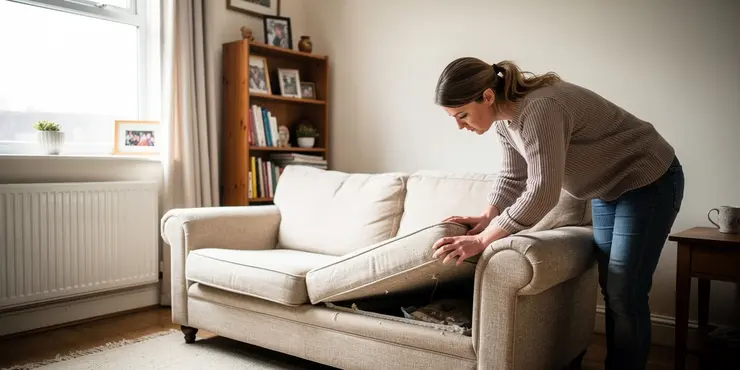
Acquiring second-hand furniture, especially beds, mattresses, and sofas, is a cost-effective option for many. However, these items can easily harbor bed bugs. Always inspect and if possible, treat second-hand items before bringing them into your home. Clothing bought from thrift shops or vintage stores can also carry bugs or their eggs, so it's advisable to wash them in hot water before use.
Visiting Homes and Incoming Visitors
Bed bugs can travel on people or via their belongings. If you've been to a home with a known infestation, there is a chance you may bring them back with you. Similarly, visitors can inadvertently introduce bed bugs to your dwelling. Gentle vigilance, such as asking visitors to leave coats and bags in a designated area off upholstered furniture, can help mitigate this risk.
Shared Laundry Facilities
In the UK, communal laundry facilities in flats or apartment complexes are convenient but can be a hotspot for bed bugs. These pests can spread from one person’s laundry to another’s, especially if clothes are washed at low temperatures. Use high heat settings when possible, and consider laundry bags as a protective measure to prevent cross-contamination during transport.
By being aware of these entry points and taking preventative steps, you can significantly reduce the likelihood of a bed bug infestation in your home. Regularly inspect your home and maintain good hygiene practices to keep these pests at bay.
How Do Bed Bugs Get Into My Home?
Bed bugs are small bugs that are hard to spot. They like to cling to things and can get into your home without you knowing. It’s important to know how they get in so you can stop them. Here are some ways they can get into your home and how you can keep them out.
Travel and Public Transportation
Bed bugs often get into homes when you travel. If you stay in a hotel or motel, bed bugs might hide in your suitcase or clothes. The same thing can happen when you use buses or trains, especially in big cities like London. After traveling, check and clean your things to prevent bringing bed bugs home.
Second-hand Furniture and Clothing
Buying used furniture like beds, mattresses, or sofas can save money, but these items might have bed bugs. Always check them before bringing them inside. If you buy clothes from thrift stores, wash them in hot water to kill any bugs or eggs.
Visiting Homes and Having Guests
Bed bugs can come with you if you visit a home with bugs, or come with your guests who visit your home. To help avoid this, ask guests to leave their coats and bags in a separate area away from your furniture.
Shared Laundry Facilities
Shared laundry rooms can be places where bed bugs spread. If you wash clothes at low temperatures, bed bugs might survive. Use hot washes when you can, and use laundry bags to keep bugs out during transport.
Knowing these ways bed bugs get in can help you stop them. Look out for bed bugs and keep your home clean to keep them away.
Frequently Asked Questions
Bed bugs most commonly enter homes by hitching a ride on luggage, clothing, or second-hand furniture.
Yes, bed bugs can migrate between adjoining flats or houses, especially in terraced or semi-detached properties.
Hotels, hostels, and other shared accommodations are common places to pick up bed bugs, especially if they are not regularly inspected or treated.
Bed bugs tend to be more active at night when their hosts are sleeping, but they can adapt their habits to access their food source.
While bed bugs prefer human hosts, they can also hitch rides on household pets.
Yes, bed bugs can be picked up from seats and upholstery on buses, trains, and taxis.
Second-hand furniture and clothes can carry bed bugs if they have not been properly examined and cleaned.
Bed bugs are attracted to warmth and carbon dioxide, not dirt, so even clean homes can be infested.
Look for small reddish-brown bugs, black spots of excrement, blood stains on bedding, and itchy bite marks on your skin.
Inspect luggage and clothing after travelling, check second-hand items thoroughly, and consider encasements for mattresses and pillows.
Yes, if your visitors have bed bugs on their clothing or bags, they might inadvertently transfer them to your home.
Bed bugs can be found in various furniture including sofas, chairs, and even behind wallpaper and picture frames.
The spread can be slow unless there are gaps, cracks, or shared ducts and pipes that facilitate movement.
Yes, any home can be at risk if infested items are brought in or if the pests travel from nearby populations.
Contact a professional pest control service to confirm the infestation and receive appropriate treatment advice.
Bed bugs often get into homes by hiding in bags, clothes, or used furniture.
Yes, bed bugs can move between flats or houses next to each other. This can happen in homes that share walls, like terraced or semi-detached houses.
You can find bed bugs in places like hotels, hostels, and other shared places. This happens more if they don’t check or clean the place often.
Bed bugs usually come out at night when people are sleeping. But they can change their habits to find food.
Bed bugs like to bite people. But they can also catch a ride on pets like cats and dogs.
Yes, you can get bed bugs from seats on buses, trains, and taxis.
Second-hand furniture and clothes can have bed bugs. You might find them if the items have not been checked and cleaned carefully.
Bed bugs like warm places and the air we breathe out, not dirty things. This means even clean homes can have bed bugs.
Look for tiny brown-red bugs. You might see little black spots from their poop, or blood marks on sheets. You might also have itchy bites on your skin.
After you travel, look at your clothes and bags to make sure there are no bugs. Check things you buy second-hand, like clothes and furniture, very carefully. You might also want to use covers for your mattresses and pillows.
Yes, if people come to your home with bed bugs on their clothes or bags, they might bring the bugs into your home without meaning to.
Bed bugs are tiny bugs that can hide in places like sofas, chairs, behind wallpaper, and picture frames.
The spread can be slow unless there are gaps, cracks, or shared airways and pipes that make it easier to move.
Yes, any home can have pests if things with bugs are brought in or if the bugs come from nearby places.
Talk to a pest control expert. They can check if there are bugs and tell you how to fix it.

Ergsy Search Results
This website offers general information and is not a substitute for professional advice.
Always seek guidance from qualified professionals.
If you have any medical concerns or need urgent help, contact a healthcare professional or emergency services immediately.
Some of this content was generated with AI assistance. We've done our best to keep it accurate, helpful, and human-friendly.
- Ergsy carefully checks the information in the videos we provide here.
- Videos shown by Youtube after a video has completed, have NOT been reviewed by ERGSY.
- To view, click the arrow in centre of video.
- Most of the videos you find here will have subtitles and/or closed captions available.
- You may need to turn these on, and choose your preferred language.
- Go to the video you'd like to watch.
- If closed captions (CC) are available, settings will be visible on the bottom right of the video player.
- To turn on Captions, click settings.
- To turn off Captions, click settings again.