
Get Answers
How to Find a Qualified Homeopath in the UK
Homeopathy is a complementary medicine that many people in the UK turn to for holistic healing practices. Finding a qualified and reputable homeopath is essential for ensuring safe and effective treatment. This guide will provide advice on how to locate a certified professional in the UK.
Research and Verify Qualifications
Start your search by verifying the credentials of potential homeopaths. In the UK, practitioners can register with several professional bodies that ensure their qualifications and adhere to a code of ethics. The Society of Homeopaths, the Alliance of Registered Homeopaths, and the Faculty of Homeopathy are reputable organizations where you can find registered members. Check if the practitioner is listed with these organizations to confirm their training and professional standing.
Seek Recommendations
Word of mouth is a powerful tool when searching for a reliable homeopath. Ask friends, family, or colleagues who have used homeopathy about their experiences and who they would recommend. Additionally, consult your GP or other healthcare providers for suggestions. Online forums and community groups can also be useful for gathering recommendations and reviews from past clients.
Consultation and Compatibility
Once you have narrowed down your options, arrange an initial consultation with the homeopaths you're considering. This is an opportunity to ask questions about their approach, experience, and the types of conditions they commonly treat. During this meeting, assess whether you feel comfortable and confident in their care, as a good rapport between patient and practitioner is important for the success of any treatment.
Consider Experience and Specialization
Consider the experience level of the homeopath you choose. Some practitioners may specialize in specific areas, such as allergies, mental health, or skin conditions. Understanding their expertise can help you make an informed decision. Look for practitioners who have been practicing for several years and have a solid reputation in the field.
Read Reviews and Testimonials
Check online reviews and testimonials, but approach them critically. Reviews can provide insight into other patients' experiences, including the practitioner's professionalism, treatment effectiveness, and the level of care provided. Cross-reference reviews across multiple platforms to get a comprehensive view of the homeopath’s reputation.
By following these steps, you can find a qualified homeopath in the UK who meets your health needs and has the credentials to offer safe and effective treatment.
How to Find a Good Homeopath in the UK
Homeopathy is a type of medicine that some people in the UK use for healing. It is important to find a good homeopath for safe treatment. This guide will help you find a qualified homeopath in the UK.
Check Their Qualifications
Begin by checking if the homeopath is qualified. In the UK, homeopaths can join special groups that check their training. Good groups include the Society of Homeopaths, the Alliance of Registered Homeopaths, and the Faculty of Homeopathy. Make sure the homeopath you choose is listed with one of these groups, so you know they are trained and follow rules.
Ask for Recommendations
Ask people you trust for advice. Talk to friends or family who have seen a homeopath. They can tell you about their experience and who to see. You can also ask your doctor for suggestions. Online groups are also good places to read about other people's experiences.
Meet the Homeopath
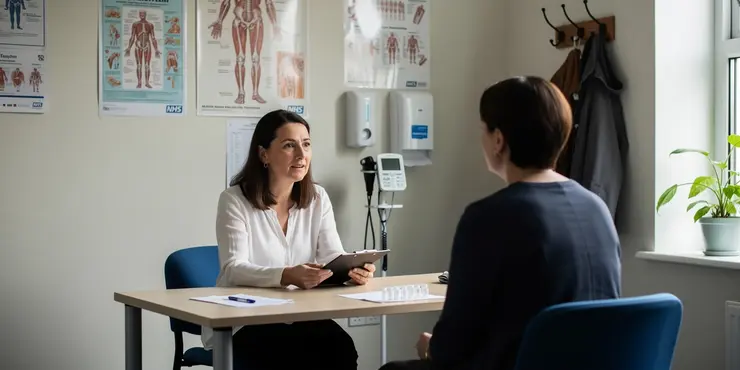
After you find a few homeopaths you like, meet them. This first meeting is called a consultation. Ask them about how they work, what they have treated before, and if they can help with your needs. See if you feel comfortable with them, as feeling good about your homeopath helps the treatment work better.
Think About Experience
Check how long the homeopath has been working and what they are good at. Some homeopaths focus on things like allergies, mental health, or skin problems. Knowing this can help you pick the right one for your needs. Choose homeopaths with lots of experience and a good reputation.
Read Reviews
Look at what other people say about the homeopath online. Reviews can tell you about the care and treatment they provide. Read reviews from different places to get a full picture of what to expect.
By following these steps, you can find a good homeopath in the UK who fits your health needs and is qualified to help you safely and effectively.
Frequently Asked Questions
To find a qualified homeopath in the UK, you can start by checking the directories of recognized professional organizations such as the Society of Homeopaths or the Alliance of Registered Homeopaths.
Yes, you should look for homeopaths who are registered with established professional bodies, such as the Faculty of Homeopathy, which requires practitioners to have medical qualifications.
Yes, some homeopathic treatments are available through the NHS, but they might be limited to certain areas. It's best to check with your local GP or health service for availability.
Online consultations can be effective and are a convenient option if you are unable to find a local practitioner. Ensure the practitioner is fully qualified and registered.
You can verify a homeopath's credentials by checking their registration with official homeopathy organizations, such as the Society of Homeopaths or the Faculty of Homeopathy.
Yes, homeopaths specialize in homeopathic remedies, while naturopaths utilize a broader range of natural treatments, including nutrition and lifestyle advice.
The cost can vary, but generally, an initial consultation may range from £50 to £150, with follow-up sessions being less expensive.
During your first consultation, the homeopath will take a detailed medical history, discuss your symptoms, lifestyle, and health concerns to develop a personalized remedy plan.
Yes, homeopathy can often complement conventional medicine, but you should inform both your GP and homeopath about all treatments you're receiving.
Homeopathic remedies are generally safe and made from highly diluted substances. However, it is important to consult a qualified practitioner to ensure safe and appropriate treatment.
You can find reviews on websites such as Google Maps, Trustpilot, or through professional bodies' websites which may include testimonials from patients.
In the UK, homeopathy is not statutorily regulated, but many homeopaths voluntarily register with professional associations that set standards for education and practice.
Consider scheduling an initial consultation to discuss your needs and evaluate their approach. Look for a practitioner who listens and communicates well.
Yes, homeopathic remedies are considered safe for children and pregnant women, but it's vital to consult a qualified homeopath for appropriate guidance.
Homeopathy can be used to manage a wide range of conditions, including allergies, chronic pain, stress-related disorders, and digestive issues.
If you want to find a homeopath in the UK, you can look in lists from groups like the Society of Homeopaths or the Alliance of Registered Homeopaths. These groups have lists of homeopaths who are well-trained.
Yes, you should find homeopaths who are part of professional groups. One group is the Faculty of Homeopathy. They make sure homeopaths have medical training.
Yes, you can get some homeopathic treatments from the NHS, but not everywhere. It's a good idea to ask your local doctor or health service to see if you can get them where you live.
Talking to a doctor online can work well. It's a good choice if you can't find a doctor nearby. Make sure the doctor is fully trained and has the right papers.
You can check if a homeopath is qualified by seeing if they are members of important homeopathy groups. Some of these groups are the Society of Homeopaths and the Faculty of Homeopathy.
Yes, homeopaths use special natural medicines called homeopathic remedies. Naturopaths use many different types of natural treatments. They also give advice about healthy eating and how to live a healthy life.
If reading is hard, try using audiobooks or ask someone to read with you. It's okay to take your time.
The cost can be different, but usually, the first meeting may cost between £50 and £150. Visits after that are usually cheaper.
At your first meeting, the homeopath will ask you lots of questions. They want to know about your health, how you feel, and how you live your life. This helps them make a special plan just for you.
Yes, homeopathy can help regular medicine. But you should tell your doctor and your homeopath about all the treatments you are using.
Here are some tips that might help:
- Write down all the medicines and treatments you are taking. Show this list to your doctor and homeopath.
- Ask questions if you do not understand something. It's okay to ask for help.
- Use tools like a calendar or a phone app to remind you to take your medicines.
Homeopathic remedies are safe. They are made from things that are very watered down. But, it is very important to talk to a doctor or expert to make sure you get the right treatment.
You can read what people say on websites like Google Maps and Trustpilot. You can also check websites of professional groups where people share their stories and feelings.
In the UK, there are no laws to control homeopathy, but many homeopaths choose to join groups that have rules for how they learn and work.
Think about setting up a first meeting to talk about what you need and see how they work. Find someone who listens to you and talks clearly.
Yes, homeopathic remedies are safe for children and pregnant women. But it is very important to talk to a trained homeopath for the right advice.
Homeopathy can help with many problems. It can be used for allergies, long-lasting pain, stress, and tummy troubles.

Ergsy Search Results
This website offers general information and is not a substitute for professional advice.
Always seek guidance from qualified professionals.
If you have any medical concerns or need urgent help, contact a healthcare professional or emergency services immediately.
Some of this content was generated with AI assistance. We've done our best to keep it accurate, helpful, and human-friendly.
- Ergsy carefully checks the information in the videos we provide here.
- Videos shown by Youtube after a video has completed, have NOT been reviewed by ERGSY.
- To view, click the arrow in centre of video.
- Most of the videos you find here will have subtitles and/or closed captions available.
- You may need to turn these on, and choose your preferred language.
- Go to the video you'd like to watch.
- If closed captions (CC) are available, settings will be visible on the bottom right of the video player.
- To turn on Captions, click settings.
- To turn off Captions, click settings again.