
Get Answers
Introduction to Botox
Botox, short for Botulinum Toxin, is a neurotoxic protein produced by the bacterium Clostridium botulinum and related species. It is used medically and cosmetically for various applications, most commonly for temporary smoothing of facial wrinkles and fine lines. Botox is a popular non-surgical procedure, and in the UK, its use has become increasingly widespread.
Medical Uses of Botox
While Botox is best known for its cosmetic applications, it has legitimate medical uses as well. It is FDA-approved for treating several conditions, such as chronic migraines, excessive sweating (hyperhidrosis), overactive bladder, and certain muscular disorders like cervical dystonia. These treatments harness Botox's ability to temporarily block nerve signals to muscles, thereby alleviating symptoms associated with these conditions.
Cosmetic Applications
Cosmetic Botox procedures are primarily used to reduce the appearance of facial wrinkles, particularly those on the forehead, around the eyes (crow's feet), and between the eyebrows (glabellar lines). Botox works by temporarily paralyzing the underlying muscles, giving the skin a smoother appearance. It is typically administered in small doses via injections, and the effects can last from three to four months, after which repeat treatments are usually needed to maintain the aesthetic results.
The Procedure
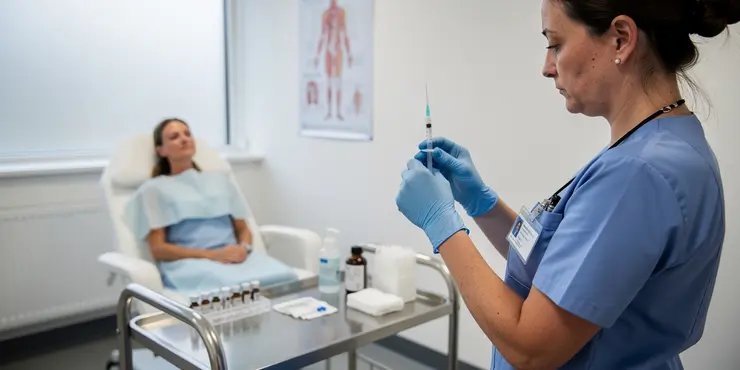
A Botox procedure is relatively quick and often referred to as a "lunchtime procedure" due to its short duration and minimal downtime. A trained professional, usually a dermatologist or cosmetic surgeon, performs the injections. There is minor discomfort, but no anesthesia is required, and patients can resume their regular activities soon after. The treatment area may show some redness or slight bruising post-procedure, but these effects typically fade quickly.
Considerations and Risks
Before opting for Botox, it is crucial to consult with a qualified healthcare provider to ensure that it is appropriate for your needs and skin type. Although the risk of serious side effects is low, some individuals may experience drooping eyelids, dry eyes, or an uneven smile, typically due to migration of the toxin. These effects are temporary, but understanding the risks and having realistic expectations are vital components of the decision-making process.
Regulation in the UK
In the UK, Botox is considered a prescription-only medication, meaning it must be prescribed by a qualified healthcare practitioner. The administration of Botox should only be performed by an accredited professional to ensure safety and effectiveness. With the rising demand, the UK regulatory bodies have made strides to ensure better regulation and monitoring of cosmetic procedures to protect consumers.
Conclusion
Overall, Botox is a well-established treatment option with versatile applications in both medical and cosmetic fields. Whether for beauty enhancement or medical therapy, its use should always involve informed decision-making and professional oversight to ensure excellent outcomes and maintain patient safety.
Introduction to Botox
Botox is a special medicine that can help make your face look smoother. It comes from a germ and is used to reduce lines and wrinkles on the face. Many people in the UK use Botox to help them look younger without having surgery.
Medical Uses of Botox
Botox can also help with medical problems. It is used for headaches, too much sweating, and problems with going to the bathroom. Doctors use Botox because it can help relax muscles and reduce pain.
Cosmetic Applications
Botox is mostly used to make lines on the face, like those on the forehead and around the eyes, less visible. It works by relaxing the muscles under the skin, making the skin look smoother. People get small injections to see these effects, and they last about three to four months. After that, you may need more injections to keep the smooth look.
The Procedure
A Botox appointment is quick and needs no special medicine to numb the area. A doctor gives the injections and you're done in no time. You might see a little redness or bruising, but it goes away soon. You can go back to your normal activities right after.
Considerations and Risks
Before getting Botox, talk to a doctor to see if it is right for you. Sometimes, people can have side effects like droopy eyelids or an uneven smile. These go away after a while. It's important to know these risks and decide if Botox is a good choice for you.
Regulation in the UK
In the UK, you can only get Botox if a doctor says it's okay. A trained professional should give the Botox to make sure it is safe and works well. There are rules to help make sure people are safe when they get cosmetic treatments like Botox.
Conclusion
Botox is used to help with looks and some health problems. Remember to always talk to a doctor and make sure it is given by a professional. This way, you will stay safe and get the best results.
Frequently Asked Questions
Botox is a drug made from a toxin produced by the bacterium Clostridium botulinum. It is used medically to treat certain muscular conditions and cosmetically to remove wrinkles by temporarily paralyzing muscles.
Botox works by blocking the nerve signals to the muscles, reducing their activity and causing temporary muscle paralysis. This helps to relax the muscles and smooth out wrinkles.
Botox is used for both medical and cosmetic purposes. Medically, it can treat conditions like chronic migraines, excessive sweating, and muscle stiffness. Cosmetically, it is commonly used to reduce the appearance of facial wrinkles.
When administered by a qualified healthcare professional, Botox is considered safe. However, like any medical procedure, it carries some risks and potential side effects.
The effects of Botox typically last between three to six months. Over time, muscle action gradually returns, and the wrinkles begin to reappear.
Botox should be administered by a licensed healthcare professional with experience in cosmetic injections, such as a dermatologist, plastic surgeon, or trained nurse.
Common areas treated with Botox include forehead lines, crow's feet around the eyes, and frown lines between the eyebrows. It can also be used for medical treatments in other areas of the body.
Some possible side effects of Botox include pain, swelling, or bruising at the injection site, headache, drooping eyelids, and flu-like symptoms. Serious side effects are rare.
Yes, Botox has been approved for the treatment of chronic migraines in adults to reduce the frequency of headaches.
Results from Botox injections typically become visible within three to seven days, with the full effect apparent in about two weeks.
Botox is generally not recommended during pregnancy or breastfeeding due to a lack of sufficient research on its safety for pregnant or nursing women.
There is minimal downtime after Botox injections. Patients can typically return to normal activities immediately but are advised to avoid strenuous exercise and lying down for at least 4 hours.
The cost of Botox varies based on factors such as location, the practitioner’s expertise, and the number of units required. On average, it can range from $300 to $600 per treatment area.
In rare cases, individuals may develop antibodies that reduce Botox's effectiveness. Consistent, long-term use can potentially lead to a decrease in response.
Most patients report minimal discomfort, describing the injections as a small pinch. Topical anesthetics or ice can be used to further reduce any pain.
Botox can provide a subtle lift to the eyebrows by relaxing the muscles that pull them down, effectively giving a non-surgical brow lift.
Botox itself does not contain animal products, but the safety and efficacy studies involve animal testing, making it non-vegan for those who adhere to strict ethical veganism.
Yes, Botox has been approved to treat severe underarm sweating by temporarily blocking the chemical signals from nerves that stimulate sweat glands.
Prior to a Botox appointment, it is advised to avoid alcohol, blood thinners such as aspirin, and anti-inflammatory medications to minimize bruising.
Botox treatments can be repeated every three to six months to maintain their effects. Your healthcare provider can help determine an appropriate schedule based on your needs.
Botox is a medicine. It is made from a poison called Clostridium botulinum. Doctors use Botox to help with muscle problems. It is also used to make wrinkles go away for a little while by making muscles stop moving.
Botox stops the messages from nerves to muscles. This makes muscles slow down and stop moving for a while. It helps muscles relax and makes skin look smoother with fewer wrinkles.
Botox is a medicine. It can help with health problems and how you look. For health, Botox helps with bad headaches, too much sweating, and tight muscles. For looks, Botox helps make face wrinkles look smaller.
When a doctor or nurse gives you Botox, it is safe. But, like any medical treatment, there can be some risks and side effects.
Botox effects last for 3 to 6 months. After that, your muscles start moving again, and wrinkles come back.
Botox should be given by a doctor or nurse who knows how to use it safely. This can be a skin doctor, a plastic doctor, or a special nurse.
Botox is often used to help with wrinkles. It can help with lines on the forehead, lines around the eyes (called crow's feet), and lines in between the eyebrows. Botox can also be used for some medical problems in other parts of the body.
To help make this easier to understand, you can try using pictures to see where these lines are on the face. There are also videos online that show how Botox works and what it does.
When you get Botox, you might have some problems. These can be:
- Pain where you got the injection
- Swelling or bruising where you got the injection
- A headache
- Eyelids that droop
- Feel like you have the flu
Big problems are very rare.
It's good to tell your doctor if you feel unwell.
Try asking someone to help you read this. You can also use apps that read text out loud to help you understand better.
Yes, doctors say Botox can help adults who have bad headaches a lot. It can make headaches happen less often.
Botox injections start to work in 3 to 7 days. You will see the full effect in 2 weeks.
Doctors say not to use Botox if you are pregnant or breastfeeding. This is because we do not know enough about how safe Botox is for pregnant or nursing moms.
After getting Botox, you don't need a lot of rest. You can go back to your normal activities right away. But try not to exercise a lot or lie down for at least 4 hours.
The price of Botox can change depending on where you live, how experienced the doctor is, and how much Botox you need. Usually, it costs between $300 and $600 for each treatment area.
Sometimes, people make special germs called antibodies. These antibodies can make Botox not work as well. If someone uses Botox for a long time, it might stop working so well.
Most people say the injections do not hurt much. They feel like a small pinch. You can use numbing cream or ice to make sure it doesn't hurt.
Botox can help lift your eyebrows a little bit. It does this by relaxing the muscles that pull your eyebrows down. This means you can get a brow lift without surgery.
Botox does not have stuff from animals in it. But, when scientists check if Botox is safe and works well, they test it on animals. So, people who are strict vegans do not see Botox as vegan.
Yes, Botox can help with really bad underarm sweating. It works by stopping the messages from nerves that tell the sweat glands to sweat.
Before you go to get Botox, don't drink alcohol. Stay away from medicine like aspirin and other pills that make bruises worse.
If you're not sure, ask your doctor or someone who knows about the medicine you take.
Use reminder apps or a notebook to help you remember what to avoid.
You can get Botox again every three to six months. This helps keep the effects strong. Your doctor can help you decide when to have it done again. They will look at what you need and find the best plan for you.

Ergsy Search Results
This website offers general information and is not a substitute for professional advice.
Always seek guidance from qualified professionals.
If you have any medical concerns or need urgent help, contact a healthcare professional or emergency services immediately.
Some of this content was generated with AI assistance. We've done our best to keep it accurate, helpful, and human-friendly.
- Ergsy carefully checks the information in the videos we provide here.
- Videos shown by Youtube after a video has completed, have NOT been reviewed by ERGSY.
- To view, click the arrow in centre of video.
- Most of the videos you find here will have subtitles and/or closed captions available.
- You may need to turn these on, and choose your preferred language.
- Go to the video you'd like to watch.
- If closed captions (CC) are available, settings will be visible on the bottom right of the video player.
- To turn on Captions, click settings.
- To turn off Captions, click settings again.