
Get Answers
Native Mosquito Predators in the UK
Introduction
In the United Kingdom, mosquitoes are commonly found near water bodies, often creating a necessity for natural population control. Understanding native predators is essential for managing these potential disease vectors eco-friendly without relying solely on chemical interventions. While the UK doesn't face the severe mosquito-borne diseases typical in tropical areas, keeping mosquito numbers in check remains important for maintaining ecological balance and minimizing nuisance levels.Birds
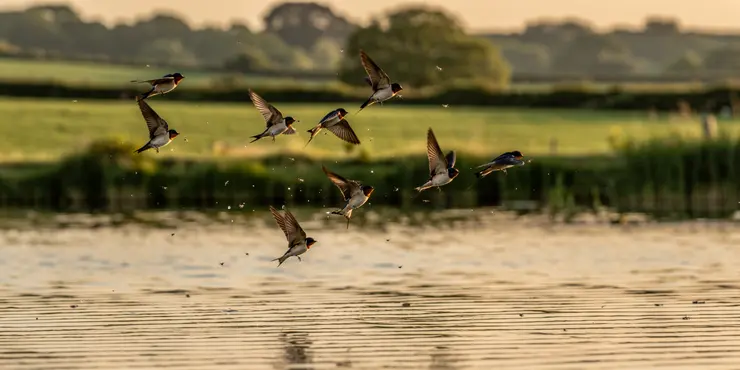
Several bird species in the UK consume mosquitoes as part of their diet. Swallows and swifts, known for their agile flying, are especially adept at catching mosquitoes in flight. These birds often feast on insects in the evening when mosquitoes are most active. Additionally, house martins and some types of warblers, such as the willow warbler, include mosquitoes in their diet, helping to control the mosquito population naturally.Amphibians
The presence of amphibians like frogs and toads is a crucial factor in controlling mosquito populations at the larval stage. Common frogs and toads in the UK consume mosquito larvae that thrive in standing water bodies such as ponds and marshes. By preying on these larvae, adult frogs and toads help reduce the number of mosquitoes that reach adulthood, providing a natural form of population control.Fish
In aquatic environments, several native fish species feed on mosquito larvae. The three-spined stickleback, found in various freshwater habitats across the UK, is known to eat large quantities of mosquito larvae. These fish contribute significantly to controlling mosquito populations in ponds, ditches, and even slow-moving streams, making them valuable allies in the fight against mosquitoes.Insects
Certain insects play a role in predating on mosquitoes at different lifecycle stages. Dragonflies and damselflies, known for their predatory prowess, are effective mosquito hunters both as larvae and adults. Dragonfly larvae, residing in water, consume mosquito larvae, while adults catch mosquitoes in flight. Additionally, beetles such as diving beetles, giant water bugs, and several species of spiders also prey on adult mosquitoes and larvae, further contributing to population management.Conclusion
The UK is home to various native predators that help control mosquito populations naturally. By fostering environments suitable for these predators, such as maintaining healthy pond ecosystems and encouraging bird habitats, the UK can reduce its reliance on chemical sprays and promote biodiversity. Understanding and preserving the balance between mosquitoes and their natural predators is crucial for ecological health and human comfort.Native Mosquito Predators in the UK
Introduction
In the UK, mosquitoes live near water like ponds and marshes. It's important to control mosquito numbers without using too many chemicals. We have natural things that eat mosquitoes. These help keep mosquito numbers down so they don't bother us too much. Even though we don't have big mosquito illnesses like warm countries, controlling them is still good for nature and enjoying the outdoors.Birds
Some birds in the UK eat mosquitoes. Swallows and swifts fly fast and can catch flying mosquitoes. These birds eat mosquitoes in the evening, when mosquitoes are out and about. House martins and some warblers, like the willow warbler, also eat mosquitoes, which helps keep their numbers down.Amphibians
Frogs and toads in the UK eat mosquito babies, called larvae, which live in water. They catch them in ponds and marshes. By eating these larvae, frogs and toads stop mosquitoes from growing up and becoming adults, which means fewer mosquitoes around.Fish
Some fish eat mosquito larvae too. The three-spined stickleback is a fish found in UK freshwater. It eats a lot of mosquito larvae. These fish help control mosquitoes in ponds, ditches, and slow streams.Insects
Some insects also eat mosquitoes. Dragonflies and damselflies are amazing hunters. They eat mosquitoes when they are larvae in the water and when they are flying as adults. Other insects like diving beetles, giant water bugs, and some spiders also eat mosquitoes, helping to keep their numbers down.Conclusion
There are animals in the UK that naturally eat mosquitoes. If we help these animals by caring for water places and making homes for birds and insects, we won't need as many chemicals. This is good for nature and for us! Keeping the balance between mosquitoes and their natural eaters is important for a healthy environment and fewer mosquito bites.Frequently Asked Questions
Yes, there are several natural predators of mosquitoes in the UK, including certain bird species, dragonflies, and bats.
House martins, swifts, and swallows are some bird species in the UK known to consume mosquitoes.
Yes, dragonflies are effective predators of mosquitoes both in their larval and adult stages.
Bats can contribute to controlling mosquito populations as they feed on a wide range of insects, including mosquitoes.
Frogs, particularly in their juvenile stages, may consume mosquito larvae in water bodies.
Yes, fish like sticklebacks and minnows can help control mosquito larvae in ponds and other bodies of water.
Aquatic beetles and their larvae are known to prey on mosquito larvae, helping to control their numbers.
Spiders can capture and eat adult mosquitoes, although they are not primary mosquito predators.
Birds can significantly impact mosquito populations, especially in areas where mosquitoes are abundant.
Creating habitats such as ponds, planting native flowers, and installing bat boxes can attract mosquito predators like birds, bats, and dragonflies.
Native birds tend to have varied diets and will eat mosquitoes along with other available insects, rather than exclusively preferring them.
While reptiles like lizards may occasionally consume mosquitoes, they are not major predators of mosquitoes in the UK.
Bats are the primary mammal in the UK known to consume mosquitoes as part of their insect diet.
Habitat restoration that supports biodiversity can enhance the presence of natural mosquito predators, thereby helping control mosquito populations.
Urbanization, pollution, and habitat destruction can negatively impact mosquito predator populations by reducing available habitats and resources.
Yes, some animals eat mosquitoes in the UK. These are some types of birds, dragonflies, and bats.
There are three kinds of birds in the UK that eat mosquitoes. They are house martins, swifts, and swallows.
Yes, dragonflies eat mosquitoes. They do this when they are babies (larvae) and when they are grown up (adults).
Bats help to keep the number of mosquitoes low. This is because bats eat lots of bugs, including mosquitoes.
Young frogs might eat baby mosquitoes that live in water.
Yes, fish like sticklebacks and minnows can help eat young mosquitoes in ponds and other water places.
Water beetles and their young ones eat baby mosquitoes. This helps to keep the number of mosquitoes low.
Spiders can catch and eat grown-up mosquitoes. But, spiders do not mostly eat mosquitoes.
Birds can help control the number of mosquitoes. This is important in places where there are a lot of mosquitoes.
Make a home for animals that eat mosquitoes. You can do this by:
- Making a pond.
- Planting flowers that grow in your area.
- Putting up boxes for bats to live in.
This will help bring birds, bats, and dragonflies that eat mosquitoes.
Here are some tools that might help you:
- Try using pictures to remember what to do.
- Ask someone for help when planting flowers or making a pond.
- Look for a video that shows how to set up bat boxes.
Local birds eat all kinds of different foods. They will eat mosquitoes, but they eat lots of other bugs too. Mosquitoes are not their only food.
Lizards sometimes eat mosquitoes, but they are not very good at catching them in the UK.
Bats are animals that live in the UK. They are the only mammals there that eat mosquitoes. Mosquitoes are little bugs.
Fixing places where plants and animals live helps different kinds of animals and plants grow. This can bring more animals that eat mosquitoes, which helps keep the number of mosquitoes low.
Cities, dirty air and water, and breaking apart animal homes can hurt the animals that eat mosquitoes. These things make it hard for them to find places to live and food to eat.

Ergsy Search Results
This website offers general information and is not a substitute for professional advice.
Always seek guidance from qualified professionals.
If you have any medical concerns or need urgent help, contact a healthcare professional or emergency services immediately.
Some of this content was generated with AI assistance. We've done our best to keep it accurate, helpful, and human-friendly.
- Ergsy carefully checks the information in the videos we provide here.
- Videos shown by Youtube after a video has completed, have NOT been reviewed by ERGSY.
- To view, click the arrow in centre of video.
- Most of the videos you find here will have subtitles and/or closed captions available.
- You may need to turn these on, and choose your preferred language.
- Go to the video you'd like to watch.
- If closed captions (CC) are available, settings will be visible on the bottom right of the video player.
- To turn on Captions, click settings.
- To turn off Captions, click settings again.