
Get Answers
Introduction to Product Recalls
Product recalls are a crucial aspect of consumer protection, aimed at removing faulty or dangerous products from the market to prevent harm to consumers. In the UK, recalls can be initiated by manufacturers, retailers, or regulatory bodies when a product is deemed unsafe or non-compliant with standards.
Immediate Impact on Consumers
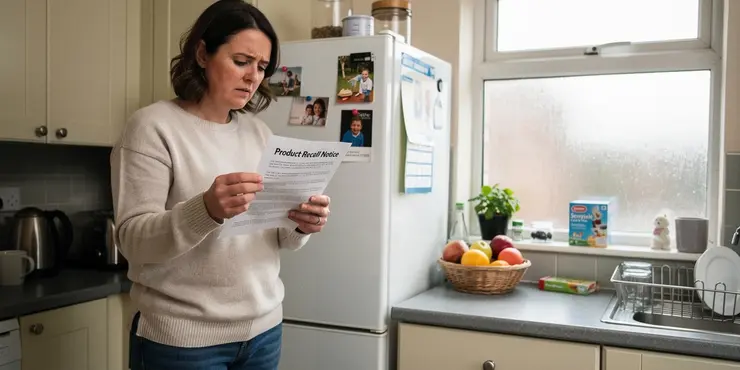
When a recall is announced, the immediate impact on consumers is often one of concern and inconvenience. Consumers might be worried about the potential harm caused by the defective product, especially if it poses health risks. This can result in a loss of trust in the brand or manufacturer. Moreover, the process of returning a product can be inconvenient, requiring time and effort from consumers who need to follow specific procedures to obtain a refund or replacement.
Safety and Health Considerations
The primary benefit of a recall for consumers is enhanced safety and health protection. Recalls aim to prevent accidents or health issues that could occur due to defective products. This emphasizes the importance of remaining informed about recalls and acting promptly to remove potentially harmful products from homes. Consumers are usually advised to stop using the affected product immediately and follow the instructions provided in the recall notice.
Financial Implications
For many consumers, the financial implications of a recall are significant. While consumers are generally entitled to a refund, repair, or replacement, these processes involve time and may temporarily impact a consumer's budget, especially if the product is essential for daily use. Recalls can serve as a reminder of the potential costs associated with owning faulty goods and highlight the importance of purchasing products from reputable brands with good customer service policies.
Influence on Consumer Confidence
Product recalls can significantly influence consumer confidence and brand perception. A company’s response to a recall can either mitigate or exacerbate the impact on consumer trust. Efficient, transparent communication and resolution of the recall can help maintain consumer confidence. However, poor handling of a recall can damage a brand's reputation, leading consumers to hesitate before purchasing from them again in the future.
Long-term Consumer Awareness
In the long run, product recalls can make consumers more aware of product safety and the importance of being vigilant. This increased awareness can lead to more cautious purchasing decisions and encourage consumers to stay informed about product safety standards and warnings. It can also foster a more proactive stance in advocating for consumer rights and safety regulations.
Conclusion
In conclusion, the recall process affects consumers in several ways, from ensuring their safety and health to influencing their financial situation and trust in brands. While recalls may initially cause inconvenience and concern, they ultimately play a vital role in protecting consumers and promoting higher standards of product quality and safety in the marketplace.
Introduction to Product Recalls
Product recalls happen when a product is not safe. This is important to keep people safe. In the UK, a recall can happen if a manufacturer, store, or government finds a product is unsafe.
Immediate Impact on Consumers
When there is a recall, people might feel worried. They may feel unsafe using the product. This can make them lose trust in the brand. Returning the product can also be annoying because it takes time and effort. People may need to follow steps to get their money back or a new product.
Safety and Health Considerations
Recalls help keep people safe and healthy. They stop accidents from happening with bad products. People should know about recalls and act quickly. When a product is recalled, stop using it and do what the recall notice says.
Financial Implications
Recalls can affect people's money. They can get their money back or get a new product, but this takes time. This can affect their budget, especially if they need the product every day. Recalls show why buying from good brands with good service is important.
Influence on Consumer Confidence
Recalls can change how people feel about a brand. If a company handles it well, people may still trust them. Good communication and quick solutions can help keep trust. But if it is handled poorly, people may not want to buy from that brand again.
Long-term Consumer Awareness
Over time, recalls can make people think more about product safety. People may be more careful when buying and pay attention to safety warnings. Recalls also help people learn to speak up for their rights and safety rules.
Conclusion
Recalls affect people in many ways. They help keep people safe and can affect their money and trust in brands. At first, recalls might be annoying, but they help make sure products are safe and good quality for everyone.
Frequently Asked Questions
Recall process impact on consumers refers to the effects a product recall has on people who bought, used, or may be affected by the product. It matters because it can influence safety, trust, costs, convenience, and access to refunds, repairs, or replacements.
Recall process impact on consumers can improve product safety by removing hazardous items from use and alerting consumers to stop using them. It can also create short-term risk if consumers do not receive or act on recall notices quickly.
Recall process impact on consumers can include refunds, repair costs, replacement costs, shipping expenses, lost time, and potential out-of-pocket costs if a consumer must replace the product immediately. In some cases, consumers may also benefit from compensation or free remedies.
Recall process impact on consumers can reduce trust when a product is recalled, especially if the issue is serious or widespread. However, transparent, timely, and well-managed recalls can strengthen trust by showing that the company is acting responsibly.
When recall process impact on consumers involves a product a consumer owns, they should stop using it if instructed, check the recall notice carefully, follow the remedy steps, and keep records such as receipts, photos, or serial numbers. They should also monitor official recall channels for updates.
Recall process impact on consumers can be especially important for households with children because recalled products may pose higher safety risks to vulnerable users. Parents and caregivers may need to remove products quickly, secure replacements, and ensure children do not continue using the item.
Recall process impact on consumers can affect older adults by creating additional safety concerns, especially if the recalled product is used for mobility, health, or home safety. Older adults may also need extra support to understand notices, arrange replacements, or return products.
Recall notices are a major part of recall process impact on consumers because they inform people about the hazard, the affected products, and the available remedy. Clear notices help consumers act quickly and reduce the chance of injury or loss.
Recall process impact on consumers varies by product type because the consequences of a recall differ for food, electronics, vehicles, appliances, medicine, and toys. Some recalls mainly create inconvenience, while others can pose serious health or injury risks.
Yes, recall process impact on consumers can affect access to essential goods when a recalled item must be removed from use and replaced. This can be challenging if the product is necessary for daily life, such as food, baby items, or medical-related products.
Recall process impact on consumers affects online shoppers because recalled items may have been purchased from marketplaces, third-party sellers, or direct websites. Consumers may need to use order records, account history, or manufacturer tools to identify whether their item is included in the recall.
Useful documentation for recall process impact on consumers includes receipts, order confirmations, product photos, model numbers, serial numbers, and warranty information. These records can help prove ownership and speed up refunds, repairs, or replacements.
Recall process impact on consumers can involve consumer rights to safe products, accurate information, and a meaningful remedy such as repair, replacement, or refund. The exact rights depend on the product, the seller, the manufacturer, and local laws.
Short-term recall process impact on consumers usually includes immediate safety alerts, temporary loss of product use, and the effort needed to obtain a remedy. Long-term impact can include lasting trust issues, changes in buying habits, and possible health or financial consequences.
Recall process impact on consumers can affect low-income households more strongly because replacing a recalled item may be difficult if the household cannot afford a new purchase upfront. Delays in refunds or limited replacement options can also create added hardship.
If recall process impact on consumers involves a product bought as a gift, the consumer should identify the product details, check the recall announcement, and contact the manufacturer or seller if needed. Even without a receipt, serial numbers, packaging, or gift records may help confirm eligibility.
Recall process impact on consumers can lower confidence in a brand if the recall suggests poor quality control or slow response. On the other hand, brands that communicate clearly and resolve issues quickly may reduce negative effects and preserve customer loyalty.
If consumers ignore recall process impact on consumers notices, they may continue using a hazardous product and increase the risk of injury, illness, or property damage. They may also lose access to a remedy if the recall has time limits or requires prompt action.
Recall process impact on consumers depends heavily on communication channels such as email, mail, text alerts, retailer notices, social media, and official government recall sites. Effective communication helps reach more consumers and improves the chance they will take action.
Consumers can reduce negative recall process impact on consumers in the future by registering products, keeping purchase records, checking recall databases regularly, and responding quickly to safety alerts. Buying from reputable sellers and reviewing product safety information can also help.

Ergsy Search Results
This website offers general information and is not a substitute for professional advice.
Always seek guidance from qualified professionals.
If you have any medical concerns or need urgent help, contact a healthcare professional or emergency services immediately.
Some of this content was generated with AI assistance. We've done our best to keep it accurate, helpful, and human-friendly.
- Ergsy carefully checks the information in the videos we provide here.
- Videos shown by Youtube after a video has completed, have NOT been reviewed by ERGSY.
- To view, click the arrow in centre of video.
- Most of the videos you find here will have subtitles and/or closed captions available.
- You may need to turn these on, and choose your preferred language.
- Go to the video you'd like to watch.
- If closed captions (CC) are available, settings will be visible on the bottom right of the video player.
- To turn on Captions, click settings.
- To turn off Captions, click settings again.