
Get Answers
The Rise of Takeaway Culture in Britain
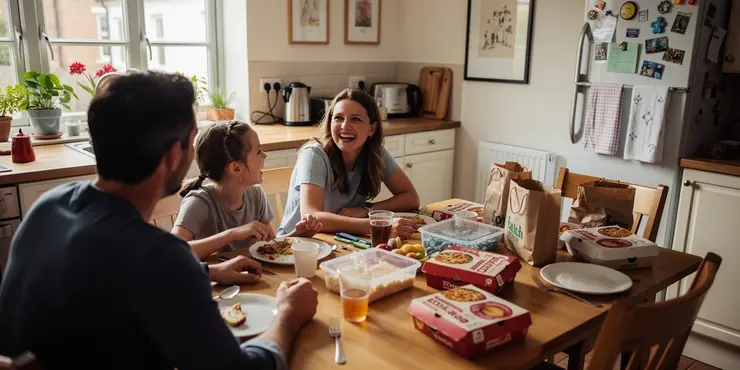
Over the past few decades, the fast-paced lifestyle of modern Britain has led to an increase in the popularity of takeaways. What was once an occasional treat has become a regular part of life for many British families. The convenience of having a meal delivered to your door or picked up on the way home from work fits perfectly into the busy schedules of today. Additionally, the diversity of options, from traditional fish and chips to exotic curries and sushi, caters to varied tastes and makes takeaways a tempting choice.
The Impact on Health and Waistlines
However, there is growing concern about the impact that this trend is having on public health and the nation's waistlines. Takeaway meals are often higher in calories, fats, and salts compared to home-cooked meals. Many popular fast-food items are deep-fried or cooked with added sugars and preservatives, contributing to their higher calorie content. This can lead to overeating and weight gain, especially when consumed frequently without regular physical activity.
Statistics and Studies
Recent studies indicate that the average Briton spends hundreds of pounds each year on takeaways. This convenience, however, comes at a nutritional cost. Public Health England has reported that the increasing consumption of fast food is contributing to the country's obesity crisis. With nearly two in three adults in England being overweight or obese, the link between fast food consumption and health issues such as obesity, diabetes, and cardiovascular diseases cannot be ignored.
Potential Solutions and Alternatives
To tackle this growing issue, experts suggest several strategies. Increasing public awareness about healthy eating choices and the nutritional content of takeaway foods is essential. Moreover, encouraging takeaway outlets to offer healthier options on their menus can make a difference. Substituting ingredients such as white rice for whole grain or offering more grilled and less fried options can appeal to the health-conscious consumer. Additionally, supporting initiatives that promote cooking at home using fresh ingredients could significantly mitigate some of these health challenges.
The Role of Policy and Community
Local governments and communities have a role to play too. Implementing policies that limit the proliferation of fast-food outlets in certain areas, particularly near schools, can help reduce consumption among vulnerable groups like children and teenagers. Community health programs promoting balanced diets and active lifestyles can also have a positive impact. By working together, the nation can address the health challenges posed by the love for takeaways while still enjoying the diversity of cuisines available.
The Rise of Takeaway Culture in Britain
In Britain, more people are eating takeaway food than ever before. This is because people are busy. It is easy to order food to your house or pick it up on your way home. There are many types of takeaway food like fish and chips, curries, and sushi. This makes it very tempting to choose takeaways often.
The Impact on Health and Waistlines
Eating a lot of takeaway food can be bad for your health. These meals often have more calories, fats, and salt than food you cook at home. Fast food is often fried and has extra sugar. Eating too much can make you gain weight, especially if you do not exercise enough.
Statistics and Studies
Studies show that people in Britain spend a lot of money on takeaways each year. But this can be bad for your health. More people in England are becoming overweight or obese. Eating too much fast food can lead to health problems like obesity, diabetes, and heart diseases.
Potential Solutions and Alternatives
Experts have some ideas to help with this problem. People should learn about healthy eating and what is in takeaway food. Takeaway shops could offer healthier options. For example, they could use whole grain rice or grill food instead of frying it. Cooking at home with fresh ingredients is also a good way to stay healthy.
The Role of Policy and Community
Local governments and communities can help too. They can make rules to have fewer fast-food shops in certain places, like near schools. Community programs can teach people to eat balanced meals and stay active. By working together, we can enjoy good food and stay healthy too.
Frequently Asked Questions
Takeaway food impact on waistlines refers to how frequent consumption of restaurant or delivery meals can contribute to weight gain around the midsection, mainly because these meals often contain more calories, salt, sugar, and unhealthy fats than home-cooked food.
Takeaway food impact on waistlines often happens because takeaway meals can be much higher in calories than expected, especially when portions are large, sauces are rich, and drinks or sides are added.
Takeaway food impact on waistlines can happen quickly if takeaway meals are eaten often, because excess calories are stored as body fat over time, and high-salt meals can also cause temporary bloating that makes the waistline look larger.
Yes, takeaway food impact on waistlines can differ a lot. Fried, creamy, and heavily processed options are usually more likely to add calories than takeaway meals built around grilled proteins, vegetables, and smaller portions.
Yes, takeaway food impact on waistlines can still occur with foods that seem healthy, such as salads, wraps, or grain bowls, if they include high-calorie dressings, large portions, cheese, fried toppings, or sugary drinks.
Takeaway food impact on waistlines becomes noticeable when takeaway meals are eaten regularly enough to create a calorie surplus, though the timing varies based on portion size, activity level, and overall diet.
Portions play a major role in takeaway food impact on waistlines because restaurant servings are often much larger than standard home portions, making it easy to consume more energy than needed.
Sauces and dressings can significantly increase takeaway food impact on waistlines because they often add hidden calories, sugar, and fat, even when the main dish appears moderate in size.
Yes, takeaway food impact on waistlines can be reduced by choosing smaller portions, skipping extras, sharing meals, and selecting items with more protein and vegetables and fewer fried components.
Yes, takeaway food impact on waistlines can involve salt-related water retention, which may cause bloating and make the waistline appear larger even before any real fat gain occurs.
Takeaway food impact on waistlines is often greater than home-cooked meals because takeaway food is frequently higher in calories, salt, and fat, and it is easier to eat larger portions without noticing.
Takeaway food impact on waistlines can be reduced by regular exercise, but exercise alone may not fully offset frequent high-calorie takeaway meals if overall intake remains too high.
Choices with the least takeaway food impact on waistlines are usually grilled, baked, or steamed dishes with vegetables, lean proteins, and modest portions, especially when creamy sauces and sugary drinks are avoided.
Yes, takeaway food impact on waistlines can be much worse when meals are paired with sugary drinks, milkshakes, or alcohol, because beverages can add a large amount of extra calories without making you feel full.
Eating more slowly can help lower takeaway food impact on waistlines because it gives the body time to register fullness, which may reduce the chance of overeating large takeaway portions.
Late-night eating can increase takeaway food impact on waistlines if it leads to extra calories beyond daily needs, especially when takeaway meals become a routine habit rather than an occasional choice.
Fried takeaway foods are often a major concern for takeaway food impact on waistlines because they are usually energy-dense, easy to overeat, and commonly served with high-calorie sides and sauces.
Takeaway food impact on waistlines can be temporary if it is mainly from salt-related bloating, but it becomes more lasting if repeated overeating leads to actual fat gain over time.
Meal planning can reduce takeaway food impact on waistlines by limiting last-minute orders, preparing quick home meals, setting a takeaway schedule, and choosing lower-calorie options when ordering.
Someone should worry about takeaway food impact on waistlines when frequent takeaway eating is causing steady weight gain, increased waist measurements, low energy, or difficulty controlling portions and cravings.

Ergsy Search Results
This website offers general information and is not a substitute for professional advice.
Always seek guidance from qualified professionals.
If you have any medical concerns or need urgent help, contact a healthcare professional or emergency services immediately.
Some of this content was generated with AI assistance. We've done our best to keep it accurate, helpful, and human-friendly.
- Ergsy carefully checks the information in the videos we provide here.
- Videos shown by Youtube after a video has completed, have NOT been reviewed by ERGSY.
- To view, click the arrow in centre of video.
- Most of the videos you find here will have subtitles and/or closed captions available.
- You may need to turn these on, and choose your preferred language.
- Go to the video you'd like to watch.
- If closed captions (CC) are available, settings will be visible on the bottom right of the video player.
- To turn on Captions, click settings.
- To turn off Captions, click settings again.