
Speak To An Expert
Get clear, personalised advice for your situation.
Jot down a few questions to make the most of your conversation.
What is Sunburn?
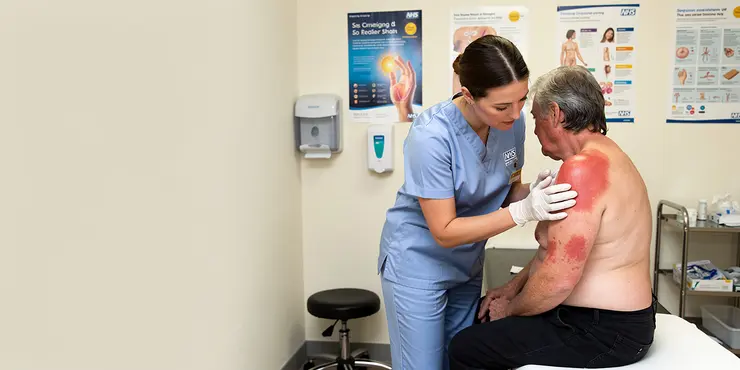
Sunburn is a type of skin damage that occurs as a result of excessive exposure to ultraviolet (UV) rays from the sun. It can happen after spending time outdoors without adequate sun protection, especially during the peak hours of UV radiation. Sunburn can affect anyone, including individuals with darker skin tones, though those with lighter skin tend to be more susceptible.
Early Symptoms of Sunburn
The symptoms of sunburn can begin to appear as quickly as one hour after exposure to UV rays, but more often, they develop over the next 24 hours. The initial signs can include redness and a sensation of warmth or heat on the affected skin. This redness is caused by increased blood flow as the body attempts to repair the skin damage.
Common Symptoms of Sunburn
After the initial onset, sunburn can lead to several more noticeable symptoms. These commonly include:
- Redness: The skin often turns visibly red and more noticeable, particularly on individuals with fairer skin.
- Swelling: Affected areas may swell as the body reacts to UV damage.
- Pain and Tenderness: Sunburnt skin can be highly sensitive and painful to touch. This discomfort is often most severe around 6 to 48 hours after UV exposure.
- Itchiness: The skin may become itchy, which can be part of the healing process as new skin forms.
- Peeling: A few days after the burn, the skin may begin to peel. This is the skin's way of getting rid of the damaged cells.
Severe Sunburn Symptoms
In more severe cases, sunburn can lead to additional symptoms, indicating a stronger reaction and greater skin damage. These can include:
- Blisters: Blistering may occur, indicating a second-degree burn. This is when small pockets of fluid form under the skin as protection.
- Headaches: Some people experience headaches due to dehydration and the body's effort to heal.
- Fever and Chills: Severe sunburns can cause systemic symptoms such as fever and chills.
- Nausea: Nausea can occur as the body responds to inflammation and exposure.
- Dizziness: Dehydration from being in the sun may lead to light-headed sensations or dizziness.
When to Seek Medical Help
While most sunburns can be managed at home with cool baths, moisturisers, and staying hydrated, some cases require medical attention. If sunburn is accompanied by severe blistering over a large part of the body, persistent pain, confusion, or any signs of infection such as increased redness, swelling, or pus, it is important to seek medical advice. Likewise, if you experience symptoms such as dizziness, intense headaches, or persistent fever, it is advisable to consult a healthcare professional.
Conclusion
Awareness of the symptoms and severity of sunburn is crucial in order to take appropriate action and prevent further damage. Prevention is always better than cure, so taking protective measures such as wearing sunscreen, seeking shade, and wearing protective clothing is important when spending time in the sun.
What is Sunburn?
Sunburn happens when your skin gets hurt by the sun. The strong rays from the sun, called UV rays, can damage your skin if you're outside for too long without protection. This can happen to anyone, but people with lighter skin can get sunburned more easily.
Early Symptoms of Sunburn
You might see signs of sunburn as soon as one hour after being in the sun. But usually, it takes about a day for the symptoms to show fully. At first, your skin might turn red and feel warm. This happens because your body is trying to fix the hurt skin.
Common Symptoms of Sunburn
Once sunburn starts, these are the common things you might notice:
- Redness: Your skin may turn red. This is easier to see if you have lighter skin.
- Swelling: The sunburned areas might get puffy or bigger.
- Pain and Tenderness: Sunburned skin can hurt when you touch it. This pain usually gets worse 6 to 48 hours after being in the sun.
- Itchiness: Your skin might feel itchy as it heals and new skin grows.
- Peeling: After a few days, the sunburned skin might start to peel. This is how your skin gets rid of the damaged bits.
Severe Sunburn Symptoms
If the sunburn is really bad, you might notice more serious symptoms like:
- Blisters: Blisters might form. These are little bubbles on the skin where liquid collects to protect it.
- Headaches: You could get a headache because you’re dehydrated and your body is working hard to heal.
- Fever and Chills: Bad sunburns can make you feel hot and cold, like when you have a fever.
- Nausea: Sometimes, sunburn can make you feel sick to your stomach.
- Dizziness: Being in the sun too long without enough water can make you feel lightheaded.
When to Seek Medical Help
Most sunburns can be treated at home. You can take cool baths, use moisturisers, and drink lots of water. But if you have very bad blisters, lots of pain, feel confused, or notice signs of infection like redness, swelling, or pus, you should see a doctor. Also, if you have symptoms like dizziness, strong headaches, or a bad fever, it's a good idea to get medical help.
Conclusion
Knowing the signs of sunburn helps you take the right steps to feel better and keep your skin safe. It’s always better to stop sunburn before it starts. You can do this by wearing sunscreen, finding shade, and wearing clothes that cover your skin when you’re outside in the sun.
Frequently Asked Questions
Common symptoms of sunburn include redness, pain, and peeling of the skin.
Symptoms of sunburn typically appear within a few hours after sun exposure.
Yes, severe sunburn can cause blisters on the skin.
Yes, itching is a common symptom as the skin begins to heal from sunburn.
Sunburned skin can feel hot to the touch and may be tender or painful.
Yes, swelling is a possible symptom of severe sunburn.
Yes, headaches can be a symptom, especially if the sunburn is severe.
Severe sunburn can cause systemic symptoms like fever, chills, and nausea.
Yes, fatigue is a possible symptom when the body is healing from sunburn.
Repeated sunburn can lead to long-term skin damage, premature aging, and increase the risk of skin cancer.
As sunburn heals, the skin may peel and turn from red to tan or brown.
Dizziness can occur with sunburn, especially if it is coupled with dehydration from heat exposure.
Yes, the affected skin can become more sensitive to sunlight.
Yes, sunburn can cause dehydration, leading to increased thirst and dry mouth.
Chills can occur with severe sunburn, often accompanied by other systemic symptoms.
Mild sunburn may cause slight redness and tenderness on the skin.
Signs of sun poisoning include severe sunburn with blistering, headache, fever, nausea, and dizziness.
Yes, prolonged sun exposure can lead to photokeratitis, causing eye pain and sensitivity to light.
Sunburn on the lips can cause dryness, chapping, swelling, and sometimes blisters.
Yes, repeated sunburn accelerates skin aging, leading to wrinkles and age spots.
When you have a sunburn, your skin might be red, it might hurt, and your skin might peel.
When you spend time in the sun, your skin can get burned. This is called sunburn. You might see sunburn a few hours after being in the sun.
Yes, really bad sunburn can make blisters on your skin.
Yes, it is normal for your skin to feel itchy as it gets better after a sunburn.
When your skin gets sunburned, it can feel warm when you touch it. It might also hurt a little.
Yes, your skin can puff up if you get a bad sunburn.
Yes, you can get a headache if your sunburn is really bad.
Bad sunburn can make you feel sick. You might get a high temperature, feel cold, or feel like you need to throw up.
Yes, feeling very tired can happen when your body is healing from a sunburn.
Here is a tip: Resting and drinking water can help. Using a soft lotion on your skin can also feel nice.
Getting sunburn many times can hurt your skin. It can make your skin look older faster and can also make it more likely for you to get skin cancer.
To keep safe, you can wear sunscreen, hats, and long sleeves. Staying in the shade and avoiding the sun during the hottest times can help too.
Using picture-based apps or watching videos can be a good way to learn more about keeping your skin safe.
When your sunburn gets better, your skin might start to peel. It can change from red to tan or brown.
Feeling dizzy can happen when you have a sunburn. This can happen more if you don't drink enough water when it's hot outside.
Yes, the hurt skin can get more sensitive to sunlight.
Yes, sunburn can make you lose water from your body. This can make you feel very thirsty and give you a dry mouth.
If you get a bad sunburn, you might feel really cold and shaky. This is called chills. You might also feel other things wrong with your body.
Mild sunburn can make your skin a little red and sore.
Sun poisoning means your skin gets very hurt from the sun. Here are some signs:
- Your skin is very red and hurts a lot, like a bad sunburn.
- You might have blisters on your skin.
- Your head might hurt, this is called a headache.
- You might feel very hot, like you have a fever.
- Your tummy could feel upset, like you want to throw up. This is called nausea.
- You might feel dizzy, like the world is spinning.
If you have these problems, tell an adult. They can help you feel better. You can also use sunscreen, wear a hat, and stay in the shade to protect your skin from the sun.
Yes, being in the sun too long can hurt your eyes. It can make them sore and hard to look at bright lights.
Sunburn on your lips can make them dry, cracked, puffy, and sometimes give you blisters.
Yes, getting sunburned many times can make your skin get old faster. This can cause wrinkles and brown spots on your skin.

Ergsy Search Results
This website offers general information and is not a substitute for professional advice.
Always seek guidance from qualified professionals.
If you have any medical concerns or need urgent help, contact a healthcare professional or emergency services immediately.
Some of this content was generated with AI assistance. We've done our best to keep it accurate, helpful, and human-friendly.
- Ergsy carefully checks the information in the videos we provide here.
- Videos shown by Youtube after a video has completed, have NOT been reviewed by ERGSY.
- To view, click the arrow in centre of video.
- Most of the videos you find here will have subtitles and/or closed captions available.
- You may need to turn these on, and choose your preferred language.
- Go to the video you'd like to watch.
- If closed captions (CC) are available, settings will be visible on the bottom right of the video player.
- To turn on Captions, click settings.
- To turn off Captions, click settings again.