
Speak To An Expert
Get clear, personalised advice for your situation.
Jot down a few questions to make the most of your conversation.
Introduction to the New Digital Platform
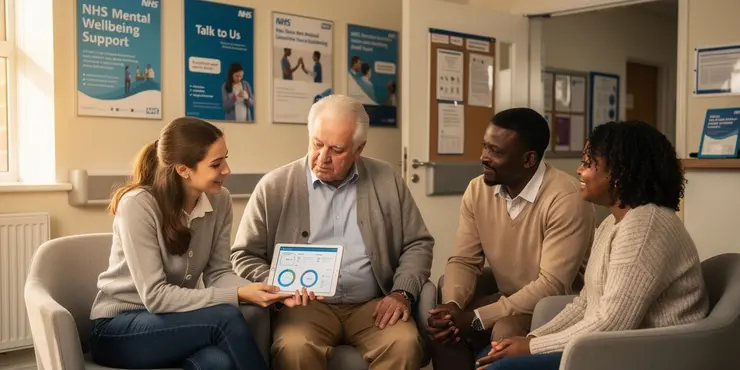
The National Health Service (NHS) has recently launched an innovative digital platform aimed at enhancing mental wellbeing across the UK. As mental health issues become increasingly prevalent, particularly in the wake of the COVID-19 pandemic, this platform serves as a timely response to the growing need for accessible mental health resources. The platform is designed to provide comprehensive support, ranging from self-help tools to professional counselling, and is available to all UK residents.
Features of the Platform
The digital platform offers a variety of features tailored to meet individual needs. Users can access interactive self-help guides, online therapy sessions, and community support forums. One of the standout features is a symptom checker that helps users understand their mental health conditions better and suggests appropriate resources. Additionally, the platform includes personalised wellbeing plans and meditation exercises to promote mindfulness and relaxation.
Accessibility and Usability
The NHS has put considerable effort into ensuring the platform is user-friendly and accessible to all, regardless of technological expertise. With a straightforward interface, users of all ages and backgrounds can easily navigate the site. The content is available in multiple languages and formats to accommodate diverse communities and individuals with varying levels of digital literacy. Moreover, the platform is optimised for both desktop and mobile devices, allowing users to access resources at their convenience.
Improving Mental Health Outcomes
By integrating digital health solutions, the NHS aims to reduce barriers to accessing mental health support. The platform is expected to improve mental health outcomes by providing timely interventions and encouraging individuals to seek help early. The digital platform complements existing NHS services and allows individuals to engage in preventative care, which is crucial in managing mental health effectively.
Conclusion
The launch of the NHS digital platform marks a significant step forward in addressing the mental health crisis in the UK. By offering free and easy access to a wide range of resources, the NHS empowers individuals to take control of their mental wellbeing. This initiative is part of a broader strategy to integrate technology into healthcare, ensuring that mental health support is as readily available as physical health care services.
New Website from the NHS
The National Health Service (NHS) has made a new website to help people feel better in their minds. Many people are having a hard time, especially after COVID-19. This new website helps people find mental health help easily. You can find tools to help yourself and talk to a professional if you need it. Everyone in the UK can use it.
What You Can Do on the Website
The website has lots of things to help you. You can read guides to help yourself, join online therapy, and talk to people in support groups. One special tool lets you check your symptoms and guides you to what can help. There are also special plans for feeling better and exercises to relax.
Easy to Use for Everyone
The NHS made sure the website is easy for everyone to use. It is simple, so you don’t need to be a computer expert. People of all ages can use it easily. You can read the site in different languages and formats. It works on computers and phones, so you can use it anywhere you like.
Helping People Feel Better
The NHS wants to make it easy for people to get help for their mental health. The website helps people get help quickly and start feeling better sooner. It works with other NHS services and helps people take care of their mental health before problems get big.
Why This is Important
This new NHS website is very important for helping with mental health in the UK. It gives everyone free and easy access to get help. The NHS wants to make sure help for your mind is as easy to get as help for your body. This is an important step forward in healthcare.
Frequently Asked Questions
NHS digital platform mental wellbeing support refers to online or app-based NHS services that help people manage stress, low mood, anxiety, sleep problems, and other mental wellbeing concerns through self-help tools, guidance, assessments, and sometimes links to talking therapies or professional support.
Eligibility for NHS digital platform mental wellbeing support varies by service, but many options are available to adults and sometimes young people in England. Some services are open to anyone seeking help, while others may require you to live in a specific area, be registered with a GP, or meet certain age or referral criteria.
You can usually access NHS digital platform mental wellbeing support through the NHS website, a GP referral, a local NHS mental health service, or by downloading an NHS-approved app or using an NHS online portal. The exact route depends on the service available in your area.
Many NHS digital platform mental wellbeing support services are free at the point of use, but availability depends on the specific service and your location. If a service is provided by the NHS or a commissioned partner, there is usually no charge for patients.
NHS digital platform mental wellbeing support may include mood tracking, guided self-help, CBT-based modules, relaxation exercises, sleep support, stress management tools, peer support, signposting to services, and in some cases access to clinicians or therapists.
Yes, NHS digital platform mental wellbeing support can often help with anxiety by offering coping strategies, breathing exercises, self-help programmes, and education about anxiety symptoms and triggers. If anxiety is severe or persistent, the platform may direct you to further NHS support.
Yes, many NHS digital platform mental wellbeing support services include resources for low mood and depression, such as behavioural activation tools, cognitive behavioural therapy content, mood monitoring, and advice on when to seek professional help.
NHS digital platform mental wellbeing support is generally designed to protect your privacy and confidentiality, but the exact data handling rules depend on the service you use. You should check the privacy policy and understand how your information is stored, shared, and used.
If NHS digital platform mental wellbeing support is not enough, you should contact your GP, NHS 111, or the mental health service linked to the platform. They can help arrange a more suitable level of care, such as talking therapies, community support, or urgent assessment if needed.
Some NHS digital platform mental wellbeing support services are specifically designed for children and young people, while others are for adults only. Age suitability should be checked on the service page, and young people may also need support from a parent, carer, school, or GP.
Some NHS digital platform mental wellbeing support services can be used without a GP referral, while others require referral through your GP or another NHS professional. The referral requirement depends on the service and local NHS arrangements.
Yes, many NHS digital platform mental wellbeing support services are accessible on smartphones through mobile-friendly websites or apps. Some also work on tablets and computers, making them easier to use wherever you are.
If you cannot log in to NHS digital platform mental wellbeing support, try resetting your password, checking your email or SMS for verification steps, and confirming that you are using the correct account. If the problem continues, contact the service's technical support team or NHS help guidance.
NHS digital platform mental wellbeing support should meet NHS and data protection standards, but security can differ between services. It is important to use official NHS links, keep your login details private, and avoid sharing sensitive information on unverified platforms.
NHS digital platform mental wellbeing support can be useful for self-management and early help, but it does not replace face-to-face treatment for everyone. Some people will benefit from online support alone, while others may need in-person therapy, medical care, or crisis intervention.
The length of access to NHS digital platform mental wellbeing support depends on the service. Some tools are available continuously, while others are offered for a fixed programme period or until your course of support ends.
NHS digital platform mental wellbeing support can address a range of issues, including stress, anxiety, low mood, mild to moderate depression, sleep difficulties, panic symptoms, loneliness, and general emotional wellbeing concerns.
NHS digital platform mental wellbeing support is usually not the right option for an immediate crisis. If you or someone else is in danger or needs urgent help, call emergency services, contact NHS 111, or use local crisis support immediately.
NHS digital platform mental wellbeing support may be right for you if you want convenient self-help tools, guidance, and low-intensity support for common mental wellbeing concerns. It may be less suitable if you need urgent care, complex treatment, or intensive clinical support.
You can find official NHS digital platform mental wellbeing support through the NHS website, your GP surgery, local NHS mental health services, or NHS-approved digital mental health providers. Always use trusted NHS sources to avoid unofficial or unsafe services.

Ergsy Search Results
This website offers general information and is not a substitute for professional advice.
Always seek guidance from qualified professionals.
If you have any medical concerns or need urgent help, contact a healthcare professional or emergency services immediately.
Some of this content was generated with AI assistance. We've done our best to keep it accurate, helpful, and human-friendly.
- Ergsy carefully checks the information in the videos we provide here.
- Videos shown by Youtube after a video has completed, have NOT been reviewed by ERGSY.
- To view, click the arrow in centre of video.
- Most of the videos you find here will have subtitles and/or closed captions available.
- You may need to turn these on, and choose your preferred language.
- Go to the video you'd like to watch.
- If closed captions (CC) are available, settings will be visible on the bottom right of the video player.
- To turn on Captions, click settings.
- To turn off Captions, click settings again.