
Get Answers
Benefits of Swimming During Pregnancy
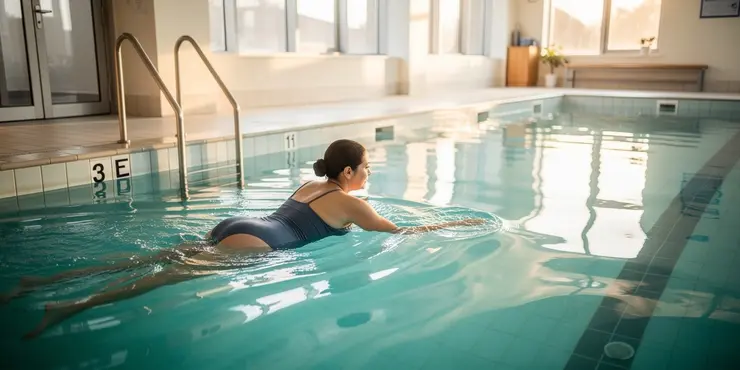
Swimming is often recommended as a highly beneficial form of exercise for pregnant women in the UK. It provides a low-impact workout that doesn't put undue stress on the joints, which is particularly advantageous during pregnancy when a woman's body is going through significant changes. The buoyancy of water supports the body, which can alleviate some of the common discomforts associated with pregnancy, such as back pain and swollen ankles. Additionally, swimming helps maintain cardiovascular fitness, which is important for overall health and can improve circulation.
Safety Considerations
While swimming is generally safe during pregnancy, there are a few considerations to keep in mind to ensure the activity is both safe and enjoyable. It’s crucial for pregnant women to listen to their bodies and avoid overexertion. Staying hydrated is important, as is avoiding swimming in excessively hot water, such as in hot tubs or heated pools, which can raise body temperature to unsafe levels. Consulting with a healthcare provider before beginning any new exercise routine during pregnancy is always advisable.
Advantages Over Other Exercises
Compared to other forms of exercise, swimming offers unique advantages for pregnant women. The resistance of the water provides a gentle way to build muscle tone and endurance without the risk of injury that can come with high-impact activities such as running. Moreover, the cooling effect of water can be especially refreshing and comfortable, helping to prevent overheating. For women who may be dealing with pregnancy-related fatigue, swimming can be a rejuvenating workout option that helps maintain energy levels.
Swimming Techniques and Precautions
Pregnant women are encouraged to incorporate different swimming techniques to keep the workout balanced and effective. Popular strokes such as breaststroke and backstroke can be particularly accommodating. However, caution should be exercised with more intense strokes, and women should feel free to adjust their swimming style to match their comfort levels. It’s important to avoid holding the breath for extended periods and to focus on easy, rhythmic breathing.
Conclusion
In the UK, swimming stands out as an excellent exercise option for pregnant women, combining the benefits of a cardiovascular workout with muscular strengthening, all while being gentle on the body. It can play a significant role in helping women stay healthy and manage pregnancy-related symptoms. Nevertheless, each pregnancy is unique, and activities should be tailored to the individual's conditions and capabilities. Pregnant women should always consult with healthcare professionals to tailor an exercise program to their specific needs and ensure safe practices are followed in any physical activity undertaken.
Benefits of Swimming When Pregnant
Swimming is a great exercise for pregnant women in the UK. It is gentle and does not hurt your joints. This is good because a woman's body changes a lot when pregnant. The water helps support the body, and this can help with back pain and swollen ankles. Swimming is also good for the heart and helps blood flow better.
Staying Safe
Swimming is usually safe for pregnant women, but there are things to remember. Listen to your body and don't push too hard. Drink lots of water, and don't swim in very hot water like hot tubs or heated pools. Always talk to your doctor before starting any new exercise when pregnant.
Why Swimming is Better
Swimming is special for pregnant women. The water helps make muscles strong gently, without hurting you like running might. The water feels cool and nice, which stops you from getting too hot. If you are tired during pregnancy, swimming can help you feel more awake.
How to Swim When Pregnant
Try different swimming styles, like breaststroke and backstroke. These are often easy for pregnant women. Be careful with harder strokes. Change how you swim if you need to, so you feel comfortable. Breathe easily, and don’t hold your breath for too long.
Conclusion
In the UK, swimming is a great choice for pregnant women. It helps the heart and makes muscles strong, while being gentle on the body. Swimming keeps women healthy and helps with pregnancy aches. But every pregnancy is different. Always talk to your doctor to make sure swimming is right for you and safe.
Frequently Asked Questions
Yes, swimming is generally safe during pregnancy and is considered a beneficial exercise for most pregnant women.
Swimming can help improve circulation, reduce swelling, relieve back pain, and maintain fitness without putting stress on the joints.
You can swim regularly as part of your exercise routine, but it’s best to consult with your healthcare provider to determine a safe frequency for your individual situation.
Avoid overheating, stay hydrated, and watch for slippery surfaces. It's also advisable to swim in a clean, supervised pool.
Yes, swimming can relieve back pain by strengthening core muscles and providing weightless support, reducing the strain on your back.
Swimming in a pool is generally preferred due to controlled conditions, but swimming in calm, clean ocean waters is also safe if you avoid strong currents and waves.
Breaststroke and freestyle are often recommended as they don't require twisting movements. Stroke in a way that feels comfortable for you.
Yes, avoid diving or jumping into water to prevent injury or stress to your abdomen.
Yes, swimming is a low-impact exercise suitable for beginners, but start slowly and consult your healthcare provider first.
Swimming can improve your overall health and fitness, positively impacting your baby's growth and development by enhancing circulation and reducing stress.
In moderation, chlorine is generally considered safe, but you might want to limit exposure to heavily chlorinated pools and always rinse off afterward.
Wear comfortable, supportive swimwear that accommodates your growing body, such as a maternity swimsuit.
Yes, swimming can help reduce swelling, especially in the legs and feet, due to improved circulation.
Buoyancy reduces the impact on joints and supports your body, making movement easier and reducing feelings of heaviness.
It's generally safe to swim in moderately heated pools, but avoid hot tubs or very warm water that might cause you to overheat.
Yes, swimming can help you maintain a healthy weight by providing cardiovascular exercise that burns calories.
If you feel tired, take a break, hydrate, and exit the pool. Listen to your body’s signals and don’t push yourself too hard.
Swimming can enhance mood and mental well-being by releasing endorphins, reducing stress, and fostering relaxation.
Yes, swimming can be beneficial during all trimesters, but modifications may be needed as your body changes. Consult your healthcare provider for guidance.
Certain conditions like placenta previa, preterm labor risk, or specific heart or lung conditions may warrant caution. Always check with your healthcare provider before starting or continuing swimming.
Yes, swimming is usually safe when you are pregnant. It is a good way for pregnant women to exercise.
Swimming is good for your body. It helps your blood flow better. It can make swelling go down. It can help your back feel better if it hurts. Swimming keeps you fit and healthy. It does this without hurting your bones and joints.
You can go swimming often as part of your exercise. But it's a good idea to talk to your doctor or nurse first. They can help you decide how often is safe for you.
Don't get too hot, drink lots of water, and be careful not to slip. It's a good idea to swim in a clean pool with a lifeguard watching.
Yes, swimming can help your back feel better. It makes the muscles in your tummy stronger and supports your back without any weight. This can help your back hurt less.
People like swimming in pools because it's safer. But it's okay to swim in the ocean if the water is calm and clean. Just stay away from big waves and strong water currents.
Try swimming styles like breaststroke and freestyle. They are good because you don't have to twist your body. Swim in a way that feels good for you.
Don’t dive or jump into the water. It can hurt your belly.
Yes, swimming is a gentle exercise that's good for beginners. But start slowly and ask your doctor first.
Swimming is good for your health and makes you more fit. It can also help your baby grow and be healthy. Swimming helps blood move through your body better and helps you feel less stressed.
Chlorine is mostly safe if you use a little bit. But if a pool has a lot of chlorine, try not to stay in it too long. Remember to wash off after you swim in any pool.
Wear a comfy swimsuit that supports you and fits your growing body. A special pregnancy swimsuit is a good choice.
Yes, swimming can help make swelling go down, especially in your legs and feet, because it helps your blood move better.
Water helps your body float. This makes it easier for you to move. It is gentle on your joints and bones, so you don't feel as heavy.
Swimming in pools that are warm is usually okay. But stay away from hot tubs or really hot water. This can make you too hot.
Yes, swimming can help you keep a healthy weight. It is good exercise for your heart and helps you burn calories.
If you feel tired, take a rest. Drink some water. Get out of the pool. Listen to your body. Don't try too hard.
Swimming can make you feel happier and help calm your mind. It helps your brain let go of feel-good chemicals, which can help you feel less stressed and more relaxed.
Yes, swimming is good for you during all parts of pregnancy. But you might need to change things as your body changes. Ask your doctor for advice.
Some health problems mean you need to be careful. These might be if your placenta is too low, if you might have your baby early, or if you have heart or lung issues. Talk to your doctor before swimming.

Ergsy Search Results
This website offers general information and is not a substitute for professional advice.
Always seek guidance from qualified professionals.
If you have any medical concerns or need urgent help, contact a healthcare professional or emergency services immediately.
Some of this content was generated with AI assistance. We've done our best to keep it accurate, helpful, and human-friendly.
- Ergsy carefully checks the information in the videos we provide here.
- Videos shown by Youtube after a video has completed, have NOT been reviewed by ERGSY.
- To view, click the arrow in centre of video.
- Most of the videos you find here will have subtitles and/or closed captions available.
- You may need to turn these on, and choose your preferred language.
- Go to the video you'd like to watch.
- If closed captions (CC) are available, settings will be visible on the bottom right of the video player.
- To turn on Captions, click settings.
- To turn off Captions, click settings again.