
Get Answers
Introduction to Sunburn
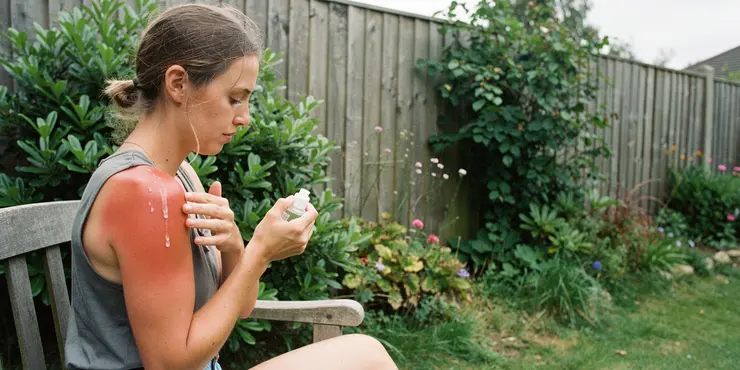
Sunburn is a common issue, especially during the warmer months in the UK, when people spend more time outdoors. It occurs when the skin is exposed to ultraviolet (UV) rays from the sun, leading to damage. The skin becomes red, painful, and, in severe cases, blistered. Effective treatment helps alleviate symptoms and promote healing.
Immediate Steps to Take
As soon as you notice sunburn, it's crucial to get out of the sun immediately to prevent further damage. One of the first steps is to cool the skin. Taking a cool bath or shower can help soothe the discomfort. Applying a cold compress, such as a cloth soaked in cold water, can also bring relief.
Moisturising the Skin
After cooling the skin, gently apply a moisturizing lotion or an after-sun gel containing aloe vera. These products soothe the skin and help lock in moisture, which can prevent peeling. Avoid products with alcohol, as they can dry out the skin further.
Staying Hydrated
Sunburn draws fluid to the skin's surface and away from the rest of the body, so it’s essential to stay hydrated. Drink plenty of water and avoid beverages that can cause dehydration, such as alcohol and caffeinated drinks.
Pain Relief and Anti-Inflammatory Medication
To manage pain and reduce swelling, over-the-counter pain relievers like ibuprofen or paracetamol can be effective. These medications not only ease discomfort but also minimise inflammation. Always follow the dosage instructions to avoid any adverse effects.
Avoiding Further Sun Exposure
While your skin is healing, avoid further sun exposure. Wear loose, protective clothing that covers the sunburned areas. A wide-brimmed hat and sunglasses can also protect the skin when you must be outside.
When to Seek Medical Advice
While most sunburns can be treated at home, there are instances when you should consult a medical professional. If you experience severe blistering, nausea, chills, fever, or if the sunburn covers a large portion of your body, seek medical attention. These symptoms can indicate sun poisoning or a more serious reaction that requires professional care.
Preventive Measures
Prevention is key when it comes to sunburn. Use a broad-spectrum sunscreen with an SPF of at least 30, apply it generously, and reapply every two hours or after swimming. Additionally, seek shade, especially during the peak hours of 11 am to 3 pm when the sun’s rays are strongest.
Conclusion
Treating sunburn effectively involves immediate action to cool the skin, proper hydration, pain management, and avoiding further sun exposure. Taking preventive measures can greatly reduce the risk of sunburn, ensuring a healthier and more enjoyable time outdoors.
Introduction to Sunburn
Sunburn happens when your skin gets too much sun. This is common in the summer when we play outside more. Too much sun can hurt your skin and make it red and sore. Sometimes, it can cause blisters. Treating sunburn can help you feel better.
Immediate Steps to Take
If you have a sunburn, get out of the sun right away. Cool your skin with a cold bath or shower. You can also put a cold wet cloth on your skin to feel better.
Moisturising the Skin
After cooling your skin, put on some lotion. Aloe vera gel is good for sunburn. It helps your skin stay soft and can stop it from peeling. Do not use products with alcohol, as they can make your skin dry.
Staying Hydrated
Sunburn can make you lose water, so drink lots of water. Do not drink alcohol or drinks with caffeine. They can make you more thirsty.
Pain Relief and Anti-Inflammatory Medication
If your sunburn hurts, you can take medicine like ibuprofen or paracetamol. These can help with pain and swelling. Always follow the instructions on the medicine.
Avoiding Further Sun Exposure
When your skin is healing, stay out of the sun. Wear loose clothes that cover your skin. A big hat and sunglasses can help protect you if you need to be outside.
When to Seek Medical Advice
Most sunburns can be treated at home. But if you have bad blisters, feel sick, have a fever, or if a lot of your skin is burnt, see a doctor. These can be signs that you need more help.
Preventive Measures
To prevent sunburn, use sunscreen with SPF 30 or more. Put it on a lot, and put more on every two hours, or after you swim. Try to stay in the shade, especially from 11 am to 3 pm when the sun is strongest.
Conclusion
To treat sunburn, cool your skin quickly, drink water, manage pain, and stay out of the sun. To avoid sunburn, use sunscreen and stay in the shade. This way, you can enjoy being outside safely.
Frequently Asked Questions
The first step is to get out of the sun immediately and into a shaded or indoor area.
You can take over-the-counter pain relievers like ibuprofen or acetaminophen to help reduce pain and inflammation.
Applying aloe vera gel or a moisturizer containing aloe can soothe the skin. Hydrocortisone cream can also reduce inflammation.
Yes, keeping the skin moisturized helps prevent drying and peeling. Use a gentle moisturizer frequently.
Yes, applying a cool, damp cloth or taking a cool bath can help reduce heat and discomfort from sunburn.
Yes, staying hydrated is crucial to help your skin recover and to replenish the fluids lost due to the heat.
No, do not pop blisters as they protect the underlying skin. Let them heal on their own.
Apply a gentle antiseptic ointment and cover with a sterile bandage. Monitor for signs of infection.
Severe sunburns with extensive blistering, high fever, or signs of infection require medical attention.
Yes, avoid tight clothing; wear loose, breathable fabrics to prevent further irritation to the sunburned skin.
Soap can further dry out and irritate sunburned skin. Use water and a gentle cleanser if necessary.
No, ice can further damage the skin. Use a cool compress instead.
No, scratching can cause further irritation and potential infection. Let the skin peel naturally.
Avoid further sun exposure until your sunburn has healed completely to prevent worsening the burn.
Taking an oral antihistamine and using moisturizing lotion can help alleviate itching.
Diluted white vinegar may soothe and relieve pain, but it should be used with caution as it can irritate some skin types.
Vitamin E and C supplements may help the skin repair itself. Always consult a doctor before starting supplements.
Mild sunburns usually heal in 3-5 days, while more severe burns can take up to several weeks.
It's best to avoid makeup until the sunburn heals to prevent further irritation and allow the skin to breathe.
Use broad-spectrum sunscreen, wear protective clothing, and limit sun exposure during peak hours to prevent sunburn.
First, move away from the sun. Go into the shade or inside a building.
You can take medicine that you buy at the store, like ibuprofen or acetaminophen. These can help you feel less pain and help with swelling.
If your skin hurts, you can use aloe vera gel. It helps your skin feel better. You can also use a cream with aloe in it. Another cream called hydrocortisone can help make your skin less red and swollen.
Yes, keeping your skin soft helps stop it from getting dry and peeling. Use a soft skin cream often.
Yes, you can feel better from sunburn by using a cold, wet cloth on your skin or by taking a cool bath.
Yes, drinking water is very important. It helps your skin get better and replaces the water your body lost because of the heat.
No, do not pop blisters. Blisters help protect your skin under them. Let them get better by themselves.
Put some gentle cream that stops germs on the cut. Then, cover it with a clean bandage. Keep checking to make sure it doesn't get infected or red.
Bad sunburns with a lot of blisters, high fever, or signs of infection need a doctor’s help.
Yes, don't wear tight clothes. Wear loose, soft clothes to keep sunburned skin from feeling worse.
Soap can make sunburned skin feel worse. Use water and a gentle cleaner if you need to.
No, ice can hurt your skin more. Use a cool cloth instead.
No, do not scratch your skin. Scratching can make it worse and might cause an infection. Let your skin peel by itself.
Stay out of the sun until your sunburn is all better. This will stop it from getting worse.
Taking medicine for allergies and using a soft cream can help stop itching.
You can use watered-down white vinegar to help with pain. But be careful! It might bother some people's skin.
Vitamin E and C pills can help your skin get better. Talk to a doctor before taking these pills.
Light sunburns get better in 3 to 5 days. Bad sunburns can take a few weeks to heal.
Do not use makeup until your sunburn gets better. This helps your skin heal faster and not get more irritated.
Use sunscreen that protects you from all sun rays. Wear clothes that cover your skin. Stay out of the sun when it is strongest, like midday. This will help stop sunburn.

Ergsy Search Results
This website offers general information and is not a substitute for professional advice.
Always seek guidance from qualified professionals.
If you have any medical concerns or need urgent help, contact a healthcare professional or emergency services immediately.
Some of this content was generated with AI assistance. We've done our best to keep it accurate, helpful, and human-friendly.
- Ergsy carefully checks the information in the videos we provide here.
- Videos shown by Youtube after a video has completed, have NOT been reviewed by ERGSY.
- To view, click the arrow in centre of video.
- Most of the videos you find here will have subtitles and/or closed captions available.
- You may need to turn these on, and choose your preferred language.
- Go to the video you'd like to watch.
- If closed captions (CC) are available, settings will be visible on the bottom right of the video player.
- To turn on Captions, click settings.
- To turn off Captions, click settings again.