
Get Answers
Introduction to Working for the National Trust
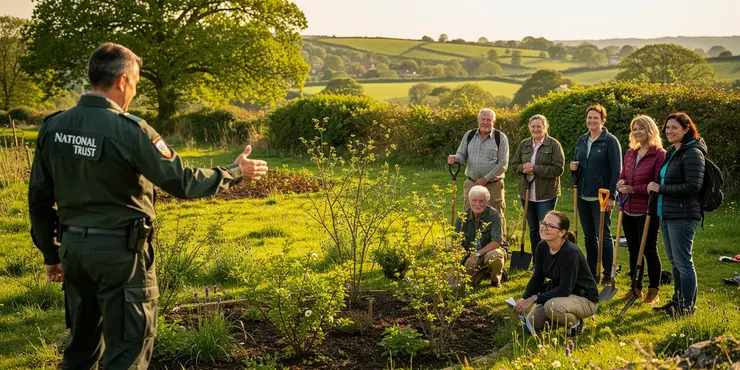
The National Trust is one of the UK's largest charities, dedicated to preserving and protecting historic places and spaces for the nation's enjoyment. Working for the National Trust can be a rewarding career for those passionate about conservation, history, horticulture, and community engagement. To pursue a career with this esteemed organization, it is essential to understand the qualifications and skills required for various roles within the Trust.
General Qualifications and Skills
While specific qualifications vary depending on the role, there are general skills and attributes the National Trust values across all positions. These include a passion for heritage and conservation, excellent communication abilities, and strong teamwork skills. Many roles require problem-solving skills and adaptability, as working for the Trust often involves addressing the challenges of maintaining historical sites and natural landscapes.
Qualifications for Conservation Roles
For roles in conservation, such as a conservation officer or ranger, a related degree in fields like environmental science, archaeology, or heritage management is often required. Practical experience is highly valued, which can be gained through volunteering or internships at similar organizations or through the National Trust's own volunteer programs. Additional technical skills, such as knowledge of specific conservation techniques or familiarity with relevant legislation, are also beneficial.
Qualifications for Gardening and Horticulture Roles
Those interested in gardening and horticulture roles should ideally have a qualification in horticulture, such as an RHS Level 2 Certificate or a diploma in horticulture from a recognized institution. Practical gardening experience, whether professional or volunteer, is crucial. Skills in plant identification, garden maintenance, and landscape design are often required. For those looking to manage or design gardens, additional experience in leadership or project management may be needed.
Qualifications for Museum and Heritage Roles
If you're aiming for a position in museum or heritage management, a degree in history, art history, or museum studies can be beneficial. Experience working in museums or historical sites, whether through volunteering or previous employment, is typically required. Skills in archival research, exhibition design, or educational programming can enhance your application for more specialized roles.
Customer Service and Operations Roles
The National Trust also offers numerous opportunities in customer service and operations, where a strong customer focus and excellent verbal communication skills are essential. Experience in hospitality, tourism, or retail can be advantageous. These roles often require flexible working patterns, including weekends and bank holidays, so adaptability is key.
Conclusion
In summary, working for the National Trust requires a combination of formal qualifications and practical experience, tailored to the specific role you are interested in. Whether your passion lies in conservation, horticulture, heritage management, or customer service, demonstrating a commitment to the organization's values and gaining relevant experience will enhance your prospects with this prestigious charity.
Introduction to Working for the National Trust
The National Trust is a big charity in the UK. It helps protect important places for everyone to enjoy. Working here can be a good job if you love history, plants, and helping people. To work for the National Trust, you need to know what skills and qualifications are needed for different jobs.
General Qualifications and Skills
Different jobs need different qualifications, but there are some skills the National Trust looks for in everyone. These are: being interested in history and nature, being able to talk and listen well, and being a good team player. Many jobs also need you to be good at solving problems and being flexible. This is important because looking after old places and nature can be tricky.
Qualifications for Conservation Roles
If you want a job in conservation, like being a conservation officer or a ranger, you often need a degree in environmental science, archaeology, or something similar. Having hands-on experience is very important. You can get this by volunteering or doing internships, possibly with the National Trust. It's also good to know specific conservation techniques or laws about protecting nature.
Qualifications for Gardening and Horticulture Roles
For those who want to work with plants, a qualification in horticulture is ideal. This could be an RHS Level 2 Certificate or a diploma. Experience in gardening, either for work or as a volunteer, is very important. Knowing how to identify plants, care for gardens, and plan garden spaces is often required. If you want to manage or design gardens, experience in leading projects might also be needed.
Qualifications for Museum and Heritage Roles
For jobs in museums or heritage, a degree in history, art history, or museum studies can help. Experience in museums or historical places, even as a volunteer, is usually needed. Knowing how to do research, design exhibits, or run educational programs can also be useful for special roles.
Customer Service and Operations Roles
The National Trust has many jobs in customer service and operations. It's important to focus on customers and talk well with them. Experience in hospitality, tourism, or retail can help. These jobs often need you to work at different times, like on weekends, so being adaptable is important.
Conclusion
In short, working for the National Trust means having the right mix of education and hands-on experience for the job you want. Whether you are interested in saving old places, working with plants, managing museums, or helping visitors, showing that you care about what the National Trust does and getting the right experience will help you get a job there.
Frequently Asked Questions
Qualifications can vary depending on the role, ranging from no formal qualifications needed for some volunteer positions to specific degrees or certifications for specialized roles.
It depends on the job role. Many roles, especially managerial or specialized positions, might require a degree or equivalent experience.
Yes, the National Trust offers apprenticeships in various fields such as conservation, gardening, and hospitality.
Not always. Some positions require specific experience, while others offer training and skill development opportunities.
Skills such as good communication, teamwork, and a passion for heritage and conservation are valued across many roles.
Management roles often require a degree in relevant fields, experience in leadership, and skills in project management.
Yes, volunteer roles generally do not require formal qualifications, making them accessible to a wide range of candidates.
A degree in environmental science, ecology, or a related field is typically required for conservation scientist roles.
Yes, there are roles in administration, finance, and operations where business skills are applicable.
Not necessarily, although roles in curation or educational programming may benefit from a history background.
Qualifications can range from practical horticulture training, such as RHS certificates, to extensive hands-on gardening experience.
Yes, the National Trust offers trainee programs to gain skills in areas like property management and conservation.
A degree in education or a related field and experience in educational programming or audience engagement are often required.
For roles involving visitor interaction, customer service experience can be very beneficial.
Yes, there are roles for IT professionals to support the digital infrastructure and technology needs of the organisation.
A degree in architecture or heritage conservation is often required for restoration roles.
Yes, the National Trust supports career development through training, mentorship, and progression opportunities.
Qualifications can include experience in hospitality management, food safety certifications, or customer service experience.
A background in marketing, communications, or development is often useful for fundraising roles.
While not all roles require a direct involvement with conservation, a commitment to the Trust's values and mission is important.
What you need to do a job can be different.
Some jobs don’t need any special training. These are often volunteer jobs.
But some jobs need special training or a degree. These are usually for special roles.
If you find reading hard, try using audiobooks. You can listen instead of reading. You can also use tools that read the text out loud on a computer. This can help you understand better.
It depends on the job. Some jobs, like being a manager or a specialist, might need you to have a degree or similar experience.
Yes, the National Trust has apprenticeships. You can learn about things like taking care of nature, gardening, and working in places like hotels and cafes.
Not always. Some jobs need you to know how to do certain things first. Other jobs will help you learn and get better at the skills you need.
It is important to have skills like talking well with others, working together as a team, and caring about history and protecting old things. These skills are useful for many jobs.
Using pictures, videos, or reading with a helper can make learning these skills easier.
To be a manager, you often need:
- A degree in a related area.
- Experience in being a leader.
- Skills in managing projects.
Here are some tools and tips that might help:
- Use a calendar to keep track of tasks.
- Attend workshops to learn new skills.
- Ask for help when you need it.
Yes, you usually do not need special qualifications to volunteer. This means many people can try different volunteer jobs.
You usually need to go to college to be a conservation scientist. You should study environmental science, ecology, or a subject like that.
Yes, there are jobs in offices, money management, and business running where you can use business skills.
No, not really. But if you want a job in curation or teaching, knowing history can help you.
You can learn about gardening in different ways. Some people take special classes, like RHS certificates, to learn about plants and flowers. Others learn by actually working in gardens and helping plants grow.
The National Trust has programs to help you learn new skills. You can train in things like taking care of buildings and nature.
You usually need to have studied teaching or a similar subject at college. You also need to have worked with educational programs or know how to interest an audience.
If a job needs you to talk to visitors, knowing how to help customers is very useful.
Yes, there are jobs for IT workers to help with computers and technology in the company.
To work in restoring old buildings, you usually need a special school certificate in architecture or heritage conservation.
Yes, the National Trust helps people grow in their jobs. They do this with training, mentors who can guide you, and chances to move up.
To get this job, it helps if you have done these things:
- Worked in hotels or restaurants.
- Learned about keeping food safe and clean.
- Helped customers and made them happy.
Using pictures, lists, or charts can help you remember this information. Also, asking someone you trust to explain anything confusing can be useful.
Having worked in selling, talking to people, or raising money can help you do well in jobs where you raise money for good causes.
Some jobs might not work directly with taking care of nature, but it's still important to care about what the Trust believes in and what they want to do.

Ergsy Search Results
This website offers general information and is not a substitute for professional advice.
Always seek guidance from qualified professionals.
If you have any medical concerns or need urgent help, contact a healthcare professional or emergency services immediately.
Some of this content was generated with AI assistance. We've done our best to keep it accurate, helpful, and human-friendly.
- Ergsy carefully checks the information in the videos we provide here.
- Videos shown by Youtube after a video has completed, have NOT been reviewed by ERGSY.
- To view, click the arrow in centre of video.
- Most of the videos you find here will have subtitles and/or closed captions available.
- You may need to turn these on, and choose your preferred language.
- Go to the video you'd like to watch.
- If closed captions (CC) are available, settings will be visible on the bottom right of the video player.
- To turn on Captions, click settings.
- To turn off Captions, click settings again.