
Get Answers
Nettle Rash: Understanding and Managing Urticaria
What is Nettle Rash?
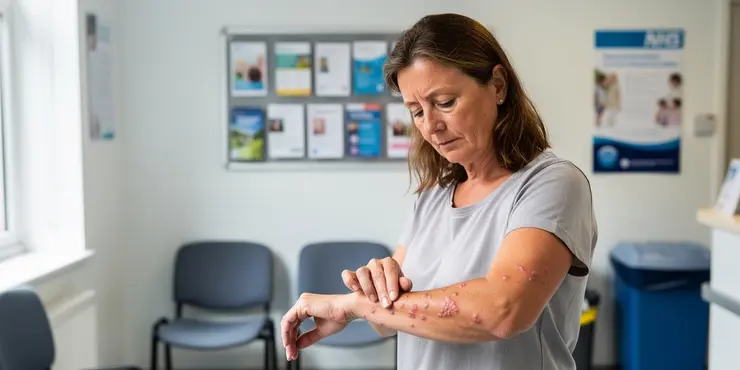
Nettle rash, commonly referred to as urticaria or hives, is a skin condition characterized by red, itchy welts that appear suddenly. The rash resembles the irritation one might experience after coming into contact with stinging nettles. While nettle rash can affect people of all ages, it is particularly common among adults in the UK.
Causes of Nettle Rash
The exact cause of nettle rash is often difficult to determine. However, it can be triggered by a variety of factors including food allergies (such as nuts and shellfish), medications, insect stings, or even stress. Environmental triggers such as pollen or pet dander can also lead to outbreaks. In some cases, heat, friction, or pressure on the skin can provoke symptoms.
Symptoms to Recognize
Individuals suffering from nettle rash will observe red welts that often change shape, size, and location. An intense, itchy sensation accompanies these marks, which may also burn. Symptoms typically appear quickly and can last anywhere from a few hours to several days. While they are usually more of an annoyance than a danger, severe cases can lead to swelling around the eyes, lips, or inside the mouth and throat, necessitating immediate medical attention.
Managing Nettle Rash
Most cases of nettle rash resolve on their own without intervention. However, treatment options are available to alleviate discomfort. Antihistamines are commonly recommended to manage itching and swelling, while soothing skin creams can provide relief. In cases where hives occur frequently or chronically, a healthcare professional might suggest additional testing to determine underlying causes.
When to Seek Medical Advice
While nettle rash often resolves without the need for medical intervention, recurring or severe outbreaks merit a consultation with a healthcare provider. In the UK, visiting a GP can help with diagnosing potential allergies or underlying health issues. Swift medical attention is critical if you experience symptoms of anaphylaxis, such as difficulty breathing or facial swelling.
Preventive Measures
Avoiding known triggers is the most effective way to prevent nettle rash. Keeping a diary of dietary intake and environmental exposure may help identify patterns leading to flare-ups. Wearing loose-fitting clothes and using gentle, fragrance-free skin products can also minimize irritation. Regular consultation with a dermatologist can offer personalized advice to manage the condition effectively.
Nettle Rash: Understanding and Managing Urticaria
What is Nettle Rash?
Nettle rash, also known as urticaria or hives, is a skin problem. It causes red, itchy spots to suddenly appear on your skin. It looks similar to what happens if you touch stinging nettles. People of all ages can get nettle rash, but it is more common in adults in the UK.
Causes of Nettle Rash
It can be hard to know exactly what causes nettle rash. It can happen because of things like food allergies (for example, nuts and shellfish), medicines, insect stings, or even stress. Other things like pollen or pet hair can also cause it. Sometimes being too hot, or rubbing or pressing on the skin, can also cause it.
Symptoms to Recognize
If you have nettle rash, you will see red spots that change shape and size. They can move around on your skin. These spots itch a lot and can feel like they are burning. The rash usually appears quickly and can last from several hours to a few days. While the rash is usually not dangerous, if you experience swelling around your eyes, lips, inside your mouth, or throat, you should get medical help quickly.
Managing Nettle Rash
Most of the time, nettle rash goes away by itself. But there are treatments that can help you feel better. Antihistamines can help stop the itching and swelling. Skin creams can also make the skin feel better. If you get hives often, it is a good idea to talk to a doctor to find out why.
When to Seek Medical Advice
If you get nettle rash often or if it is very bad, you should see a doctor. In the UK, a GP can help find out if you have allergies or other health problems. If you find it hard to breathe or your face swells up, you must get medical help right away. These can be signs of a serious problem called anaphylaxis.
Preventive Measures
The best way to stop nettle rash is to avoid things that cause it. Keeping a diary of what you eat and what you come into contact with can help find what causes your rash. Wearing loose clothes and using mild, fragrance-free skin products can also help. Regular check-ups with a skin doctor can give you advice on how to keep your skin healthy.
Frequently Asked Questions
Nettle rash, also known as urticaria or hives, is a skin reaction characterized by red, itchy welts or bumps.
Nettle rash is usually caused by an allergic reaction, but it can also be triggered by stress, heat, exercise, or certain medications.
Acute nettle rash typically lasts less than 24 hours, but it may persist for a few days. Chronic cases can last longer than six weeks.
Nettle rash is not contagious and cannot spread from one person to another.
Over-the-counter antihistamines, cool compresses, and calamine lotion can help alleviate symptoms. Avoiding known triggers is also recommended.
If you experience difficulty breathing, swelling of the face or throat, or symptoms persist beyond a few days, seek medical help immediately.
Common triggers include certain foods (like nuts and shellfish), insect stings, medications, and physical factors like pressure or temperature changes.
Yes, children can develop nettle rash, and it often appears following an infection or allergic reaction.
Stress can be a trigger for nettle rash in some individuals, potentially exacerbating symptoms.
Identify and avoid known triggers, manage stress, and consult with a healthcare professional for preventive measures if chronic cases occur.
Avoid hot showers, tight clothing, and known allergens to minimize irritation and spread.
Yes, foods such as nuts, shellfish, eggs, and dairy products can trigger nettle rash in sensitive individuals.
Oatmeal baths, aloe vera gel, and applying cold compresses can provide natural relief from the symptoms of nettle rash.
Exercise can exacerbate symptoms due to increased body heat, so it's advisable to exercise with caution and avoid overheating.
Yes, tight-fitting or woolen clothing can irritate the skin and worsen the symptoms. Loose, breathable fabrics are recommended.
Nettle rash, called hives, makes your skin red, itchy, and bumpy.
Nettle rash can happen if you are allergic to something. It can also happen because of stress, being too hot, exercising, or taking some medicines.
Nettle rash is itchy skin that usually goes away in less than a day. Sometimes, it can last a few days. If it stays for six weeks or more, it is called chronic.
If you find it hard to read, you can use a ruler or your finger to follow the words. Reading tools, like colored overlays, can also help. Take breaks to rest your eyes.
Nettle rash does not spread to other people. You cannot catch it from someone else.
Medicine you can buy in shops, cold cloths, and calamine lotion can help you feel better. Try to stay away from things that make you feel bad.
If you have trouble breathing, or your face or throat gets big and puffy, go to the doctor right away. If you still feel sick after a few days, see a doctor too.
Some things can make allergies happen. These things can be foods like nuts and shellfish, bug bites, medicines, or changes in how hot or cold it is.
Yes, children can get nettle rash. It can happen after an infection or if they have an allergy.
Stress can make nettle rash worse for some people.
Find out what makes the problem start, stay away from these things, and keep calm. If the problem happens a lot, talk to a doctor or nurse to help stop it.
Take warm showers, not hot ones. Wear clothes that are not too tight. Stay away from things you know can make you itch or break out.
Yes, some foods can make people get itchy skin. These foods are nuts, shellfish, eggs, and dairy products.
To feel better when you have nettle rash, you can try these simple things:
- Take a bath with oatmeal in the water.
- Put aloe vera gel on your skin.
- Use a cold, wet cloth on the rash.
Exercise can make symptoms worse because it makes your body hotter. Be careful when you exercise and try not to get too hot.
Yes, tight clothes or clothes made of wool can make your skin uncomfortable and make it worse. It is better to wear loose clothes that let your skin breathe.

Ergsy Search Results
This website offers general information and is not a substitute for professional advice.
Always seek guidance from qualified professionals.
If you have any medical concerns or need urgent help, contact a healthcare professional or emergency services immediately.
Some of this content was generated with AI assistance. We've done our best to keep it accurate, helpful, and human-friendly.
- Ergsy carefully checks the information in the videos we provide here.
- Videos shown by Youtube after a video has completed, have NOT been reviewed by ERGSY.
- To view, click the arrow in centre of video.
- Most of the videos you find here will have subtitles and/or closed captions available.
- You may need to turn these on, and choose your preferred language.
- Go to the video you'd like to watch.
- If closed captions (CC) are available, settings will be visible on the bottom right of the video player.
- To turn on Captions, click settings.
- To turn off Captions, click settings again.