
Get Answers
Introduction to Botox Treatments
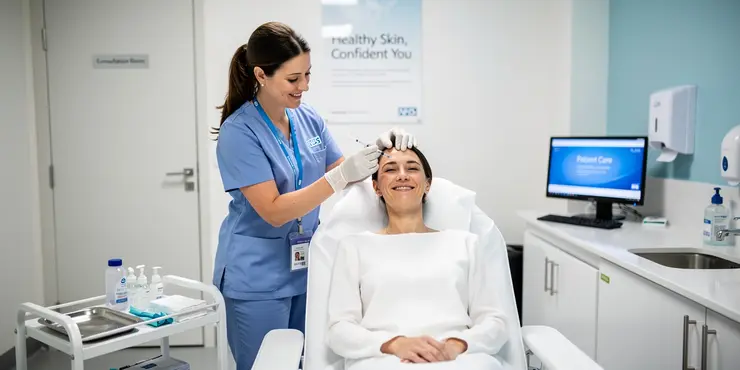
Botox, a popular cosmetic treatment, is commonly used to address various aesthetic and medical issues. It is primarily known for its ability to reduce the appearance of fine lines and wrinkles, but its applications extend to other areas of the body. In the UK, Botox has become a widely accepted procedure for both cosmetic enhancement and medical solutions. This article explores the different areas that can be treated with Botox, offering insight into its diverse uses.
Facial Areas Treated with Botox
The most popular use of Botox is for treating facial lines and wrinkles. In the UK, Botox is widely used to target the forehead lines, crow’s feet around the eyes, and frown lines between the eyebrows, also known as glabellar lines. By relaxing the muscles that cause these wrinkles, Botox can create a smoother and more youthful appearance. Additionally, Botox is used in the jawline to soften a square jaw and achieve a more feminine contour.
Treatment of Neck and Decolletage
Beyond the face, Botox can be applied to the neck and decolletage area. The use of Botox in the neck can address what is commonly referred to as “turkey neck,” which involves the vertical bands that become more prominent with age. Botox helps to relax these bands, leading to a smoother neck appearance. Similarly, fine lines and wrinkles on the decolletage can be minimized, enhancing overall skin appearance.
Medical Uses of Botox
Apart from cosmetic treatments, Botox has several medical applications. In the UK, one of the most common non-cosmetic uses is for the treatment of chronic migraines. Botox is injected into specific areas of the head and neck to prevent headaches before they start. Another medical use is in the treatment of hyperhidrosis, a condition characterized by excessive sweating. Botox injections in areas like the underarms, hands, and feet can significantly reduce sweating and improve quality of life. Additionally, Botox is used to treat bruxism, or teeth grinding, by injecting it into the jaw muscles to reduce tension.
Botox for Lips and Chin
Botox can also be applied to the lips and chin for various aesthetic improvements. Lip flips, a technique involving small amounts of Botox into the upper lip, help in creating a fuller lip appearance without the need for fillers. In the chin area, Botox can soften a dimpled chin or address an overly prominent chin muscle, providing a balanced facial profile.
Conclusion
In the UK, Botox treatments offer a range of solutions for both cosmetic and medical concerns. From facial aesthetics to medical conditions like migraines and hyperhidrosis, Botox provides versatile benefits. Consulting with a qualified practitioner ensures the safe and effective use of Botox, allowing individuals to achieve their desired outcomes.
Introduction to Botox Treatments
Botox is a common treatment. It helps with looks and some medical problems. Botox is best known for making lines and wrinkles on the face look smoother. But it can help other body parts too. In the UK, many people use Botox for beauty and health reasons. This article talks about where Botox can be used and how it helps.
Facial Areas Treated with Botox
The face is the most common place to use Botox. In the UK, people use Botox to smooth out lines on their foreheads, around their eyes, and between their eyebrows. These lines are often caused by making facial expressions. Botox relaxes the muscles, making the skin look smoother. Botox can also be used on the jawline to make it look softer.
Treatment of Neck and Decolletage
Botox can be used on the neck and chest area too. It helps with "turkey neck," which is when the skin on the neck hangs loosely as we get older. Botox makes the skin here look smoother. It can also help reduce fine lines and wrinkles on the chest area, making the skin look nicer.
Medical Uses of Botox
Botox is useful for medical reasons, not just for looks. In the UK, doctors use Botox to help people who have bad headaches called migraines. Botox is injected into the head and neck to stop these headaches. It is also used for hyperhidrosis, which is too much sweating. Botox can help reduce sweating in places like underarms, hands, and feet. Another use is for bruxism, or teeth grinding. Botox is injected into the jaw muscles to help them relax.
Botox for Lips and Chin
Botox can also help the lips and chin look better. A special Botox use called "lip flip" makes the top lip look fuller. Botox in the chin can smooth out a dimpled chin or make it look more normal by relaxing a strong chin muscle.
Conclusion
In the UK, Botox helps with many beauty and health issues. It can improve how you look and help with health problems like migraines and too much sweating. Always talk to a qualified expert to make sure Botox is used safely and correctly. This helps people get the results they want.
Frequently Asked Questions
Botox can be used to treat various areas of the face, including forehead lines, crow's feet around the eyes, and frown lines between the eyebrows (glabellar lines).
Yes, Botox can be used to treat neck bands by relaxing the platysmal bands to give a smoother appearance.
Yes, Botox can be used to treat ‘bunny lines’ which are wrinkles that appear on the sides of the nose.
Yes, Botox can be used to smooth chin dimpling, often referred to as a 'pebble chin'.
Yes, Botox can be injected into the masseter muscles for jawline slimming and reducing symptoms of teeth grinding.
Yes, Botox can be used to treat hyperhidrosis, which is excessive sweating, usually in the underarms, hands, and feet.
Yes, Botox has been approved for the treatment of chronic migraines by addressing trigger points in the head and neck.
Botox can be used to treat ‘lip lines’ or ‘smoker's lines’ around the mouth and can also create a subtle lip lift known as a 'lip flip'.
Yes, a small amount of Botox can be injected to help reduce the appearance of a gummy smile by relaxing the muscles that elevate the upper lip.
Yes, Botox can provide a non-surgical brow lift by relaxing the muscles that pull the brow line downward.
Botox can be used to reduce fine lines and smooth the skin in the décolletage area.
Yes, Botox can help correct some aspects of facial asymmetry by relaxing specific muscles and balancing facial features.
Yes, Botox is often used to treat facial spasms and conditions like hemifacial spasm by relaxing the affected muscles.
Yes, Botox can be used to treat fine lines and wrinkles under the eyes, although caution is advised as the area is delicate.
Yes, Botox can be injected into the jaw muscles to help alleviate pain and discomfort associated with TMJ disorders.
Botox is primarily used for wrinkles; under-eye bags might require other treatments.
Yes, Botox is often used in combination with dermal fillers to achieve a more comprehensive facial rejuvenation.
Botox can sometimes be used to relax the skin around scars, potentially improving their appearance.
While Botox is not typically used for acne, it may reduce oil production, which can complement other acne treatments.
Botox is not typically used to treat the cheeks directly, as fillers are often preferred for adding volume to that area.
Botox can help with different parts of the face. It can help smooth out lines on your forehead, the sides of your eyes (called crow's feet), and between your eyebrows (called frown lines).
Yes, Botox can help make the neck look smoother. It does this by relaxing the tight bands in the neck.
Yes, doctors can use Botox to help with 'bunny lines.' Bunny lines are little wrinkles that show up on the sides of your nose.
Yes, you can use Botox to make chin bumps smoother. These bumps are sometimes called a 'pebble chin'.
Yes, doctors can use Botox to help make your jaw look slimmer. It can also help if you grind your teeth a lot.
Yes, doctors use Botox to help stop too much sweating. This is called hyperhidrosis. It usually happens in places like underarms, hands, and feet.
Yes, doctors say Botox can help with bad headaches called chronic migraines. It works by helping with areas in the head and neck that start the pain.
If you need help while reading, try using a ruler or your finger to keep your place. Reading with someone can also be helpful.
Botox can help with lines around your mouth. These lines are sometimes called ‘lip lines’ or ‘smoker's lines’. Botox can also make your lips look a little bit bigger. This is called a 'lip flip'.
Yes, a little bit of Botox can help make a gummy smile look smaller. It helps by making the muscles that lift your upper lip relax a bit.
Yes, Botox can help lift your eyebrows without surgery. It works by relaxing the muscles that make your eyebrows go down.
Botox can help make the skin on your chest area look smoother. It can make fine lines look less visible.
Yes, Botox can help make the face look more even. It works by relaxing certain muscles to balance how the face looks.
Yes, Botox can help with face spasms. It makes the muscles relax. This can help with a problem called hemifacial spasm.
Yes, Botox can help with small lines and wrinkles under your eyes. But be careful because this area is sensitive.
Yes, doctors can use Botox to help with pain in the jaw. This can be helpful for people who have problems with their jaw, like TMJ disorders.
Botox helps with getting rid of wrinkles. If you have bags under your eyes, you might need different treatments.
Yes, doctors often use Botox with fillers to help make your face look younger and fresher.
Botox can help make scars look better. It works by making the skin around the scar softer.
Botox does not usually help with acne. But, it might help make your skin less oily. This can help other acne treatments work better.
Doctors don't usually use Botox on cheeks. They often use another thing called fillers to make cheeks look bigger.

Ergsy Search Results
This website offers general information and is not a substitute for professional advice.
Always seek guidance from qualified professionals.
If you have any medical concerns or need urgent help, contact a healthcare professional or emergency services immediately.
Some of this content was generated with AI assistance. We've done our best to keep it accurate, helpful, and human-friendly.
- Ergsy carefully checks the information in the videos we provide here.
- Videos shown by Youtube after a video has completed, have NOT been reviewed by ERGSY.
- To view, click the arrow in centre of video.
- Most of the videos you find here will have subtitles and/or closed captions available.
- You may need to turn these on, and choose your preferred language.
- Go to the video you'd like to watch.
- If closed captions (CC) are available, settings will be visible on the bottom right of the video player.
- To turn on Captions, click settings.
- To turn off Captions, click settings again.