
Get Answers
Preventing Concussions
Concussions are a form of traumatic brain injury that can occur due to a blow to the head or body, causing rapid movement of the brain within the skull. They are common in sports, falls, and accidents. Preventing concussions requires a multi-faceted approach, particularly for athletes, children, and individuals engaged in high-risk activities. Here’s how concussions can be effectively prevented.
Promoting Safe Sports Practices
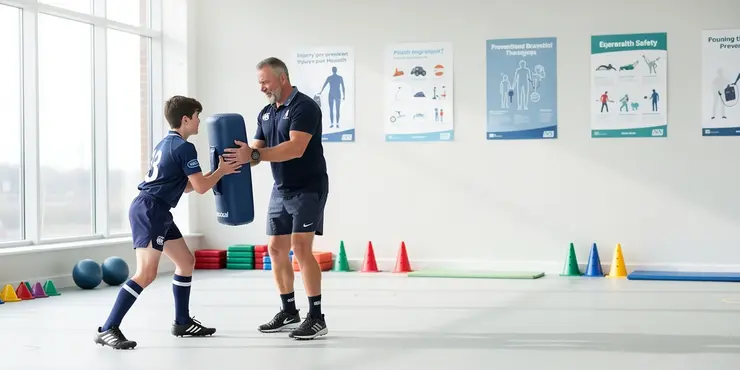
One of the primary areas for preventing concussions is in sports, where adherence to safe practices is crucial. Coaches and trainers should focus on teaching athletes proper techniques, especially in contact sports like rugby and football. Educating athletes on the importance of playing by the rules reduces the risk of dangerous play.
Additionally, enforcing strict penalties for dangerous and reckless actions can deter behaviors that lead to concussions. Implementing rules to limit full-contact practice sessions in sports like American football can also minimize the risk of head injuries.
Using Protective Gear
Wearing appropriate protective gear is vital in preventing concussions. Helmets, when used correctly, provide a level of protection for activities such as cycling, skateboarding, and contact sports. It’s essential that helmets fit properly and are well-maintained to ensure maximum effectiveness.
Beyond helmets, using mouthguards, though primarily for oral protection, can sometimes help absorb shock and reduce the risk of concussion in sports such as rugby and hockey.
Education and Awareness
Raising awareness about the symptoms and risks of concussions is critical. Schools and sports clubs should offer educational sessions for athletes, parents, and coaches on recognizing signs of concussion and understanding the importance of immediate and appropriate response.
Understanding that concussions need serious attention and that continuing to play with a concussion can lead to more severe injuries is crucial for all involved.
Safety in Everyday Activities
Preventing concussions extends beyond sports. Ensuring home environments are safe, especially for children and the elderly, can prevent falls, a leading cause of concussions. Installing safety gates, securing rugs, and using non-slip mats can reduce risks in the home.
For cyclists, obeying traffic rules, using lights and reflective clothing in low-light conditions, and being aware of surroundings are additional measures to prevent accidents.
Conclusion
Preventing concussions involves a combination of safe practices, education, and appropriate use of protective equipment. By taking these proactive measures, risks can be significantly reduced, promoting a safer environment for everyone, both in sports and daily life. In the UK and beyond, awareness and action are key to minimizing the impact of concussions.
Preventing Head Injuries
Head injuries, called concussions, happen when your brain gets knocked around inside your head. This can happen in sports, falls, or accidents. To stop concussions, we need to be careful, especially with kids, athletes, and in activities where accidents can happen. Here’s how we can stop head injuries.
Safe Sports Tips
In sports, we need to be extra careful. Coaches and trainers should teach players how to play safely. This is really important in sports like rugby and football where players might bump into each other. Following the rules keeps everyone safe.
Also, if someone plays in a dangerous way, there should be strict rules to stop them. We can also have fewer rough practice times to help protect players’ heads in sports like American football.
Wearing Safety Gear
Wearing the right safety gear is important. Helmets help protect your head when you’re riding bikes, skateboarding, or playing contact sports. It’s important that helmets fit well and are kept in good shape to work properly.
Besides helmets, wearing mouthguards can also help absorb shocks and protect your head in sports like rugby and hockey.
Learning and Being Aware
Knowing about head injuries and their signs is very important. Schools and sports clubs should teach players, parents, and coaches how to spot when someone has a concussion and why they need help right away.
Concussions are serious, and playing while having one can make things much worse. Everyone needs to know this.
Everyday Safety
We need to be safe at home too, not just in sports. Keeping homes safe for kids and older people can stop accidents. Use safety gates, secure rugs, and put non-slip mats in slippery places to make homes safer.
For people riding bikes, it’s important to follow traffic rules, use lights at night, wear bright clothes, and watch what’s around them to avoid accidents.
Conclusion
Stopping head injuries means we need to be careful, learn about risks, and use the right safety gear. By doing these things, we can make everyone safer at sports and in daily life. In the UK and everywhere else, knowing and doing the right things can help reduce head injuries.
Frequently Asked Questions
To prevent concussions during sports, always wear appropriate and properly fitted protective gear, follow safety rules, and ensure proper training and techniques are taught.
Wearing a helmet can help absorb the impact force on the head, reducing the risk of a concussion, especially in sports like cycling, rugby, and horse riding.
Schools can ensure student safety by providing proper equipment, training staff in concussion awareness, and establishing a protocol for handling head injuries.
Strengthening neck and core muscles can potentially reduce the risk of concussions by stabilising the head and reducing whiplash during impacts.
Proper techniques, such as tackling and heading in football, can help minimise the risk of head impacts and consequently prevent concussions.
Good sportsmanship can reduce aggressive and reckless behaviour during sports, lowering the likelihood of head injuries and concussions.
While mouthguards mainly protect the teeth, they can also help absorb shock and reduce jaw injuries, potentially lowering the risk of concussions.
Playing fields should be well-maintained to prevent tripping hazards and reduce the risk of players falling awkwardly, which can result in concussions.
Rules and regulations are designed to ensure fair and safe play, reducing actions that could lead to head injuries and concussions.
Yes, limiting contact drills and incorporating rest periods can help reduce repetitive head impacts and lower the risk of concussions.
Educating players about the signs of concussions and the importance of reporting injuries can lead to timely interventions and better prevention strategies.
Yes, certain techniques like safe tackling in rugby can reduce the risk of head-to-head contact and thereby lower concussion risk.
Adequate rest allows the brain to recover from minor impacts and fatigue, which can help prevent concussions during subsequent games or training.
Rather than avoiding sports, children should be encouraged to play safely with appropriate protective gear and under proper supervision to minimise concussion risks.
Enforcing age-appropriate practices ensures that young players engage in activities suitable for their development, reducing the risk of injuries like concussions.
To stay safe from head injuries in sports, always wear the right safety gear that fits well. Follow the rules of the game, and make sure you learn the proper way to play.
Wearing a helmet can help keep your head safe. It absorbs the force if you hit your head. This lowers the chance of getting hurt. It’s very important in sports like cycling, rugby, and horse riding.
Schools can keep students safe by doing these things:
- Give the right safety gear.
- Train teachers and staff about head injuries.
- Have a plan for when someone gets hurt in the head.
Making your neck and tummy muscles stronger can help keep your head safe. This means you might not get hurt as easily if you bump your head.
Playing football safely can help protect your head. Using the right way to tackle and head the ball can stop you from getting hurt and getting a concussion.
Playing fair in sports can help stop people from acting angry or wild. This means there are fewer chances of getting hurt in the head.
Mouthguards are like soft shields for your teeth. They keep your teeth safe. They also help protect your jaw by stopping hard hits from hurting you too much. This can help keep your head safe, too, and might even stop you from getting hurt in your brain.
Playing fields need to be kept in good shape. This helps stop people from tripping and falling. If the ground is bumpy or messy, players can fall and get hurt.
Rules and guidelines help make sure games are fair and safe. They try to stop things that might cause head hurts and concussions.
Yes, doing fewer contact drills and taking breaks can help lower the chances of head injuries and concussions.
It is important to teach players how to spot signs of a head injury. Knowing why they should tell someone about their injury is also important. This helps players get help quickly and stops more injuries from happening.
Yes, playing rugby safely can help keep players from getting hurt. One way to do this is by learning how to tackle safely. This can help stop head bumps and lower the chance of getting a concussion.
Getting enough sleep helps your brain get better from small bumps and tiredness. This can help stop head injuries when you play or practice sports.
Instead of staying away from sports, kids should be helped to play safely. They should wear the right safety gear and be watched by an adult. This helps keep them safe and lowers the chance of head injuries.
Making sure young players do activities that match their age helps them stay safe and avoid getting hurt, like having a head bump.

Ergsy Search Results
This website offers general information and is not a substitute for professional advice.
Always seek guidance from qualified professionals.
If you have any medical concerns or need urgent help, contact a healthcare professional or emergency services immediately.
Some of this content was generated with AI assistance. We've done our best to keep it accurate, helpful, and human-friendly.
- Ergsy carefully checks the information in the videos we provide here.
- Videos shown by Youtube after a video has completed, have NOT been reviewed by ERGSY.
- To view, click the arrow in centre of video.
- Most of the videos you find here will have subtitles and/or closed captions available.
- You may need to turn these on, and choose your preferred language.
- Go to the video you'd like to watch.
- If closed captions (CC) are available, settings will be visible on the bottom right of the video player.
- To turn on Captions, click settings.
- To turn off Captions, click settings again.