
Get Answers
Why look for alternatives?
During a hosepipe ban, many UK households still need to keep gardens alive, wash outdoor areas, or top up water features. The key is to use water more efficiently and choose methods that do not involve a hosepipe.
Most bans allow sensible use of water by hand or with containers, so it is worth checking the details of your local water company’s restrictions. Rules can vary depending on the region and the stage of the ban.
Watering plants by hand
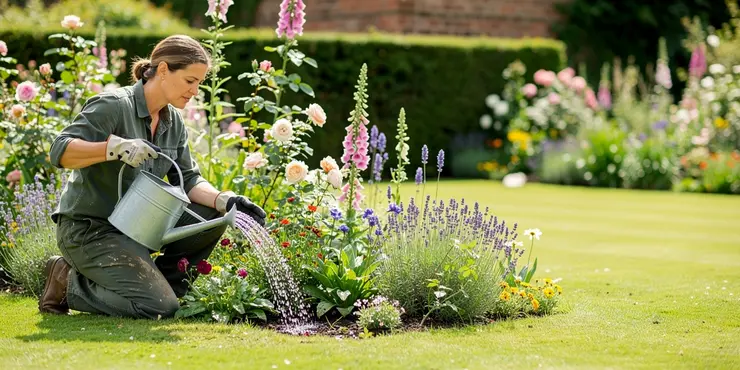
The simplest alternative is to water plants with a watering can or bucket. This gives you much more control over where the water goes, and it is usually allowed during a ban.
Focus on the roots rather than the leaves, and water early in the morning or later in the evening to reduce evaporation. Grouping pots and containers together can also make hand watering quicker.
Using grey water
Grey water is water that has already been used for light household tasks, such as washing up or bathing. In many cases, cooled grey water can be reused in the garden, provided it does not contain strong chemicals or bleach.
This can be a practical way to reduce waste and keep beds or borders hydrated. Always avoid using grey water on edible crops if it contains food residues, detergents, or anything that might harm plants or soil.
Collecting rainwater
Installing a water butt is one of the best long-term alternatives to a hosepipe. Rainwater can be collected from a roof and stored for use on lawns, containers, and flower beds.
If you already have a water butt, a ban is a good reminder to make the most of it. You can also place buckets under downpipes during wet weather, as long as it is safe and practical to do so.
Reducing the need for watering
Mulching borders with bark, compost, or gravel helps retain moisture in the soil. This means you may need to water less often, which is useful in dry spells and during restrictions.
Choosing drought-tolerant plants can also make a big difference. Once established, many plants need far less watering than bedding plants, bedding displays, or newly laid lawns.
Cleaning and outdoor jobs without a hosepipe
For patios, paths, and garden furniture, use a bucket, sponge, or broom instead of a hose. A stiff brush and a small amount of water can often handle dirt just as well.
If you need to wash a car, check the exact ban rules first. Some bans allow use at a hand car wash or with a bucket, but not with a hosepipe.
Checking the local rules
Water companies across the UK can set different ban conditions, so it is important to read the guidance for your area. Some activities may be permitted while others are not.
If you are unsure, look at your water supplier’s website or customer updates. That way, you can stay compliant and still find practical ways to manage without a hosepipe.
Frequently Asked Questions
Hosepipe ban alternatives for watering a garden during restrictions include using watering cans, buckets, drip irrigation systems fed by a tap timer where allowed, greywater from baths or sinks where permitted, mulch to retain moisture, and choosing drought-tolerant plants.
Common hosepipe ban alternatives for cleaning patios and driveways include sweeping, using a bucket and brush, spot-cleaning with a cloth or sponge, and collecting rainwater for limited outdoor cleaning where local rules allow.
Yes, hosepipe ban alternatives often include rainwater harvesting systems such as water butts, rain barrels, and larger storage tanks. These systems collect roof runoff and provide water for plants and outdoor use without relying on a hosepipe.
Yes, watering cans are one of the most common hosepipe ban alternatives for domestic gardens. They allow targeted watering, reduce waste, and are typically permitted during hosepipe restrictions.
Hosepipe ban alternatives for a vegetable patch include drip irrigation, mulching, watering at the base of plants with a can, using reused household water where permitted, and watering early in the morning or late in the evening to reduce evaporation.
Greywater can be one of the hosepipe ban alternatives if local guidance allows it. Water from baths, showers, or washing-up may sometimes be reused for ornamental plants or gardens, but it should be used carefully and never where it could harm edible crops if rules advise against it.
The best hosepipe ban alternatives for newly planted trees and shrubs are deep watering with a watering can or bucket, installing a drip line if allowed, applying mulch around the base, and using a watering ring or slow-release irrigation method to deliver water directly to the roots.
Yes, drip irrigation systems are effective hosepipe ban alternatives because they deliver water slowly and directly to plant roots, reducing evaporation and runoff. They are often far more efficient than hose watering and can help maintain plants with less water.
Hosepipe ban alternatives for car washing include using a bucket and sponge, waterless car-cleaning products, visiting a commercial car wash that recycles water if allowed, and rinsing only small sections rather than using a hose.
Hosepipe ban alternatives help conserve water during dry weather by using smaller, targeted amounts of water, capturing rainwater, reducing evaporation with mulch, and avoiding high-waste methods like spraying large areas with a hose.
Yes, planting drought-tolerant species is a practical long-term hosepipe ban alternative. These plants need less frequent watering, making them a good choice for gardens in areas that regularly face water restrictions.
Hosepipe ban alternatives for lawn care include letting the lawn go dormant, mowing less frequently, raising the mower blade, collecting rainwater for spot watering, and applying mulch or grass clippings to retain moisture in nearby beds.
Pressure washers are not always hosepipe ban alternatives, because some restrictions also limit their use. If permitted, they should be used sparingly and only according to local water-use rules, as they can consume significant amounts of water.
The best hosepipe ban alternatives for potted plants on a balcony are watering cans, self-watering containers, saucers to catch runoff, mulching the top of pots, and grouping plants together to reduce moisture loss.
Yes, mulch is one of the most effective hosepipe ban alternatives because it helps lock moisture into the soil, suppresses weeds, and reduces how often plants need watering. Organic mulches like bark, compost, or straw are commonly used.
Households can use hosepipe ban alternatives for washing windows such as a bucket of water, a sponge, a squeegee, and microfiber cloths. These methods use much less water than spraying with a hose.
Tap timers can be compatible with hosepipe ban alternatives if they are used with approved low-water systems such as drip irrigation and if local restrictions allow them. They help schedule short, efficient watering sessions rather than prolonged hose use.
Recommended hosepipe ban alternatives for filling a paddling pool include using collected rainwater where appropriate, reducing the pool size, reusing water from previous safe uses if allowed, or postponing use until restrictions end. Local rules should always be checked first.
Hosepipe ban alternatives for hanging baskets include watering cans, self-watering inserts, water-retaining gel crystals if suitable for the plants, and placing baskets in partial shade to reduce water loss.
You can find hosepipe ban alternatives that comply with local water restrictions by checking your water supplier's guidance, local authority updates, and gardening advice from reputable sources. Always confirm which uses are allowed before watering or cleaning outdoors.

Ergsy Search Results
This website offers general information and is not a substitute for professional advice.
Always seek guidance from qualified professionals.
If you have any medical concerns or need urgent help, contact a healthcare professional or emergency services immediately.
Some of this content was generated with AI assistance. We've done our best to keep it accurate, helpful, and human-friendly.
- Ergsy carefully checks the information in the videos we provide here.
- Videos shown by Youtube after a video has completed, have NOT been reviewed by ERGSY.
- To view, click the arrow in centre of video.
- Most of the videos you find here will have subtitles and/or closed captions available.
- You may need to turn these on, and choose your preferred language.
- Go to the video you'd like to watch.
- If closed captions (CC) are available, settings will be visible on the bottom right of the video player.
- To turn on Captions, click settings.
- To turn off Captions, click settings again.