
Speak To An Expert
Get clear, personalised advice for your situation.
Jot down a few questions to make the most of your conversation.
Understanding Bed Bugs
Bed bugs, scientifically known as Cimex lectularius, are small, wingless insects that feed on human blood, typically at night. They are a growing concern in the United Kingdom, with increased travel contributing to their spread. These pests can cause discomfort and anxiety due to the itchy bites they leave behind.
Identifying Bed Bugs
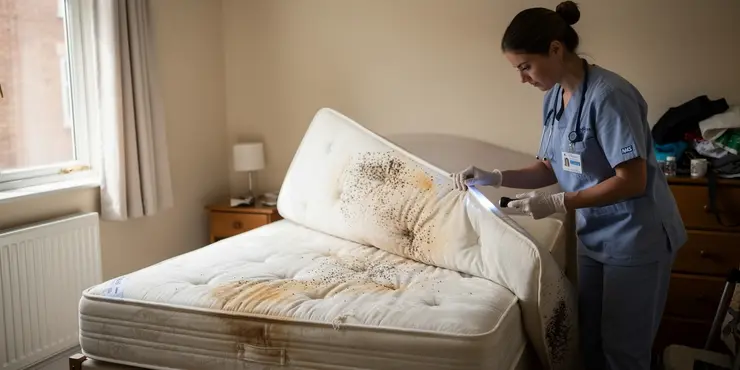
Adult bed bugs are small, measuring about 5 to 7 mm in length. They have a flat, oval-shaped body that is brownish in color. After feeding, their bodies swell and become reddish. Bed bugs are often found in mattresses, bed frames, and headboards, but they can also hide in clothing, upholstered furniture, and various nooks and crannies around the bedroom. One of the telltale signs of a bed bug infestation is finding their cast-off skins or small blood spots on bedding.
Preventing Bed Bug Infestations
Preventing a bed bug infestation begins with vigilance. Regularly inspect sleeping quarters, particularly when traveling. It is advisable to keep luggage elevated and away from beds or upholstered furniture when staying in hotels. Washing travel clothes in hot water upon returning home can also help. Additionally, sealing cracks and crevices in your living space can reduce potential hiding spots for bed bugs.
Treatment and Control
If bed bugs are discovered, it is important to act quickly. Homeowners in the UK can start by thoroughly vacuuming affected areas and laundering bedding and clothing at high temperatures. Encasements can be used on mattresses and pillows to prevent bugs from entering or escaping. However, due to the resilient nature of bed bugs, professional extermination services are often necessary to fully eradicate them. Pest control specialists in the UK have access to a range of treatments, including heat and chemical treatments, which can effectively eliminate infestations.
Conclusion
Bed bugs are a nuisance, but with early identification and prompt action, they can be effectively managed. The key is to remain vigilant, especially during travel, and to seek expert help when necessary. By understanding their habits and taking preventative measures, you can protect your home from these unwelcome pests.
Understanding Bed Bugs
Bed bugs are small insects. They do not have wings and they come out at night to bite people. They feed on blood. Many people are worried about bed bugs in the UK because they can travel easily and spread. Bed bug bites can make your skin itchy and can make you feel anxious.
Identifying Bed Bugs
Adult bed bugs are about the size of an apple seed, around 5 to 7 mm long. They are brown and have flat, oval bodies. When they eat, their bodies get bigger and turn reddish. You can find bed bugs in places like mattresses, bed frames, and headboards. They hide in clothes, furniture, and small cracks in the bedroom. Look for signs like their old skins or tiny blood spots on your sheets to know if you have bed bugs.
Preventing Bed Bug Infestations
To keep bed bugs away, you need to be careful. Check your bedroom often, especially after traveling. When you stay at a hotel, keep your bags off the bed and do not put them on soft furniture. Wash your travel clothes in hot water when you come back home. Closing up cracks in your house can also help keep bed bugs from hiding.
Treatment and Control
If you find bed bugs, act fast. Start by vacuuming the areas where you see them and wash your sheets and clothes in hot water. You can use covers on your mattress and pillows to keep bed bugs out. Because bed bugs are tough to get rid of, it is a good idea to call in pest control experts. Pest control experts in the UK use treatments like heat and chemicals to get rid of bed bugs.
Conclusion
Bed bugs can be annoying, but you can deal with them if you notice them early and take action quickly. It is important to be careful, especially when traveling, and to get help from experts if needed. By knowing what bed bugs do and how to prevent them, you can keep your home safe from these pests.
Frequently Asked Questions
Bed bugs are small, parasitic insects that feed on the blood of humans and animals. They are flat, reddish-brown in colour, and about the size of an apple seed.
Bed bugs can enter homes through luggage, clothing, used furniture, and even through electrical outlets or cracks in walls. They often hitch a ride on items moved from infested areas.
Signs of an infestation include small blood stains on sheets, bed bug excrement (dark spots), shed skins, and a musty odour.
While bed bugs are a nuisance and cause itchy bites, they are not known to transmit diseases.
When travelling, inspect your accommodation for signs of bed bugs, keep luggage off the floor, and wash clothing at high temperatures after returning home.
If you find bed bugs, it is best to contact a professional pest control service. Trying to manage bed bugs without professional assistance can often lead to the spread of the infestation.
Although DIY methods are available, professional treatment is often necessary for effective elimination. DIY methods may temporarily reduce bed bugs but rarely eliminate them completely.
The length of extermination depends on the severity of the infestation. It often takes multiple visits to completely eradicate an infestation.
Some natural remedies include diatomaceous earth, essential oils, and heat treatments. However, these methods are not as effective as professional treatments.
Bed bugs are difficult to eliminate due to their small size, resistance to common pesticides, and ability to hide in tiny crevices in furniture and mattresses.
Wash all clothing, bed linens, and curtains on high heat settings. Also, dry them on the highest heat to ensure bed bug eggs and adults are killed.
No, bed bugs can live in furniture, behind baseboards, in electrical outlets, and even in picture frames.
Bed bug bites are often red, itchy, and appear in clusters or lines. However, only a medical professional can diagnose the cause of bites.
While disposing of an infested mattress may help, it won't eliminate the bed bugs if they have spread to other areas of your home.
Cost varies depending on the extent of the infestation and the size of the property. It is best to get quotes from multiple pest control services for accurate pricing.
Bed bugs are tiny bugs that bite people and animals to drink their blood. They are flat, look a bit red-brown, and are the same size as an apple seed.
Bed bugs are tiny bugs that can get into homes. They can come in on luggage, clothes, or old furniture. Sometimes they sneak in through electrical outlets or cracks in the walls. They often ride on things that come from places with bed bugs.
Look for these signs if you think there are bed bugs:
- Small red marks on the sheets.
- Dark spots from bed bug poop.
- Old skin that bed bugs leave behind.
- A strong, bad smell in the room.
If you find these signs, you might have bed bugs. Tools like magnifying glasses can help you see better. You can also ask an adult or a pest control expert to help you check.
Bed bugs can be annoying and make you itch, but they don't spread illnesses.
When you go on a trip, check to make sure there are no bed bugs where you are staying. Keep your bags off the floor. When you get home, wash your clothes in hot water.
If you see bed bugs, call a pest control expert. They know how to get rid of bed bugs safely. Trying to do it alone can make the problem worse.
You can try to get rid of bed bugs on your own, but it's usually better to call an expert. Doing it yourself might make the bed bugs go away for a little while, but they often come back.
How long it takes to get rid of pests depends on how many there are. It might take a few visits to get rid of all the bugs.
You can try natural ways to get rid of pests. Some people use diatomaceous earth, which is a special kind of powder. Others use essential oils, which smell nice and can help. Heat can also work to get rid of pests. But, these ways might not work as well as calling a professional to help.
Bed bugs are hard to get rid of because they are very small. They can hide in tiny cracks in beds and furniture. Many bug sprays do not work on them.
Wash all clothes, bed sheets, and curtains using hot water. Also, dry them with high heat to kill bed bugs and their eggs.
No, bed bugs can also hide in furniture, behind the boards at the bottom of walls, inside electrical outlets, and even in picture frames.
Bed bug bites are red and make your skin itchy. They often come in groups or rows. But only a doctor can tell for sure what caused the bites.
Throwing away a bed with bugs might help, but it won't stop the bugs if they are in other parts of your house too.
The cost can be different. It depends on how many pests there are and how big your home is. It's a good idea to ask several pest control companies how much they charge. This way, you can know the price better.

Ergsy Search Results
This website offers general information and is not a substitute for professional advice.
Always seek guidance from qualified professionals.
If you have any medical concerns or need urgent help, contact a healthcare professional or emergency services immediately.
Some of this content was generated with AI assistance. We've done our best to keep it accurate, helpful, and human-friendly.
- Ergsy carefully checks the information in the videos we provide here.
- Videos shown by Youtube after a video has completed, have NOT been reviewed by ERGSY.
- To view, click the arrow in centre of video.
- Most of the videos you find here will have subtitles and/or closed captions available.
- You may need to turn these on, and choose your preferred language.
- Go to the video you'd like to watch.
- If closed captions (CC) are available, settings will be visible on the bottom right of the video player.
- To turn on Captions, click settings.
- To turn off Captions, click settings again.