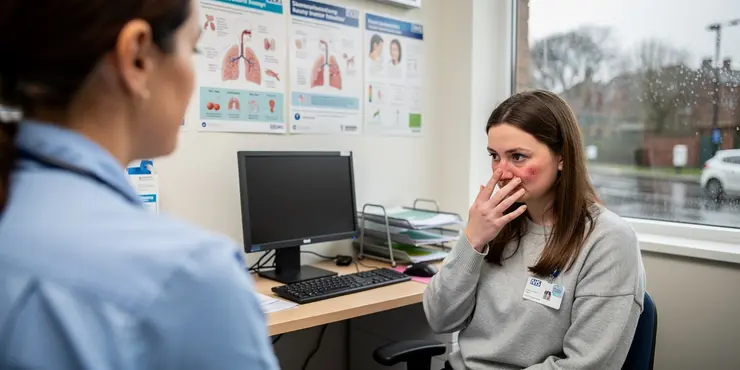

Speak To An Expert
Get clear, personalised advice for your situation.
Jot down a few questions to make the most of your conversation.
Understanding Climate Change and Its Impact on Pollen Levels
Climate change is increasingly becoming a pressing concern across the globe, including the United Kingdom. One of its less obvious yet significant impacts is the alteration of pollen levels in the atmosphere, which can have profound effects on human health and the environment. Pollen, a fine powder produced by plants, is a common allergen and a key factor in hay fever and other allergic conditions. Understanding the relationship between climate change and pollen levels is crucial for mitigating these impacts.
Rising Temperatures and Pollen Production
One of the primary ways climate change affects pollen levels is through rising temperatures. As global temperatures increase, the growing season for many plants extends, leading to longer periods during which pollen is produced. In the UK, milder winters and earlier springs mean that plants can release pollen earlier in the year and for a longer duration. This extended pollen season increases the exposure and risk of allergic reactions for susceptible populations.
Increased CO2 Levels and Plant Growth
Another factor contributing to increased pollen levels is the rise in atmospheric carbon dioxide (CO2), a greenhouse gas responsible for much of climate change. Higher CO2 levels can enhance photosynthesis, leading to more vigorous plant growth. This increased growth can result in higher pollen production since plants typically use surplus energy to maximize their reproductive efforts, including pollen generation. Consequently, more CO2 in the atmosphere can lead to more prolific and sustained pollen production.
Changes in Vegetation Patterns
Climate change can also cause shifts in vegetation patterns, influencing which plant species dominate an area. As temperatures and precipitation patterns change, different plant species may thrive, potentially introducing new types of pollen into a region. In the UK, this could mean the migration of plant species native to warmer climates, bringing with them different pollen that could cause more severe allergic reactions in populations not previously exposed.
Impact on Public Health
The combination of longer pollen seasons, increased pollen production, and the introduction of new pollen types poses significant public health challenges. Increased exposure to pollen, especially in urban areas where air pollution is also a concern, can exacerbate respiratory problems like asthma and allergic rhinitis. For the UK, this means increased healthcare burdens and a need for better public health strategies to manage these growing risks.
Adapting to Changing Pollen Levels
To mitigate the effects of climate change on pollen levels, it's crucial for the UK to adopt adaptive strategies. These could include improving pollen forecasting models to better prepare and inform the public, enhancing green urban planning to manage plant species distribution, and investing in healthcare resources to support those with allergies. Public awareness campaigns can also help individuals take proactive measures to reduce their exposure during high pollen periods.
Understanding Climate Change and Its Impact on Pollen Levels
Climate change means our world is getting warmer. This is a big problem everywhere, including the UK. One way it affects us is by changing pollen levels. Pollen is a tiny powder from plants. It can make people sneeze and have itchy eyes. Understanding how climate change affects pollen is important to help us feel better.
Rising Temperatures and Pollen Production
As the earth gets warmer, plants have more time to grow each year. In the UK, this means winters are not as cold, and spring comes earlier. Because of this, plants make pollen for a longer time. This means people who are allergic to pollen might sneeze and itch for more days.
Increased CO2 Levels and Plant Growth
The gas called CO2 in the air is going up. This helps plants grow bigger and make more pollen. When plants have a lot of energy, they make more pollen. So, if there’s more CO2, there will be more pollen too. This can make allergies worse.
Changes in Vegetation Patterns
Climate change can also change which plants grow where. Some plants that like warmer places might start growing in the UK. These new plants can bring different pollen. This might cause more allergies in people who aren't used to it.
Impact on Public Health
Longer pollen seasons and new kinds of pollen can make health problems worse. Especially for people with asthma or hay fever. This can be even worse in cities with lots of air pollution. It’s important to find ways to help people stay healthy.
Adapting to Changing Pollen Levels
We can try to prepare for more pollen. One way is to improve how we predict when pollen levels will be high, so people know when to stay inside. We can also plan cities better and plant different kinds of plants. Teaching people about how to avoid pollen can help them stay healthy.
Frequently Asked Questions
Climate change leads to warmer temperatures and higher levels of carbon dioxide, which can increase pollen production in plants.
Yes, climate change can cause the pollen season to start earlier and last longer due to warmer temperatures.
Rising temperatures can enhance plant growth and result in higher pollen levels.
Increased carbon dioxide can stimulate plant photosynthesis and growth, leading to higher pollen production.
Yes, more pollen in the air due to climate change can lead to more severe allergy seasons.
Higher temperatures can affect wind patterns and the distribution of pollen, dispersing it over wider areas.
Extreme weather events, like heavy rains and storms, can alter local pollen levels by affecting plant growth and pollen dispersal.
Yes, changing climates can alter plant composition in certain areas, introducing new pollen types to the region.
People with pollen allergies may experience more frequent and intense symptoms due to increased and prolonged pollen exposure from climate change.
Yes, regions that experience significant temperature and weather pattern shifts may see greater changes in pollen levels.
Climate change can lead to earlier flowering and increased pollen production in many tree species.
Yes, grasses and weeds may have longer growing seasons and produce more pollen in response to climate change.
Climate change can lead to higher concentrations of pollen in the air due to increased production and longer release periods.
Increased pollen levels can exacerbate respiratory issues, including asthma and hay fever, impacting overall public health.
Climate change can increase the levels and distribution of allergenic pollen, worsening symptoms for allergy sufferers.
Urban areas can experience 'heat island' effects, leading to earlier and more intense pollen seasons compared to rural areas.
Yes, annual variations in climate conditions can cause fluctuations in pollen levels and distribution.
Climate change can cause seasonal allergies to begin earlier in the year as plants start to release pollen sooner.
Scientists use climate models and plant biology studies to predict future pollen levels and their potential impact on allergy sufferers.
Strategies include planting less allergenic vegetation in urban areas and improving pollen forecasting and public awareness to help manage allergies.
Climate change makes the Earth warmer. It also makes more carbon dioxide in the air. This can make plants produce more pollen.
Yes, climate change can make pollen season start sooner. It can also make it last longer because of warmer weather.
When it gets warmer, plants can grow bigger. This can make more pollen.
When there is more carbon dioxide in the air, plants can grow bigger and faster. This means they make more pollen.
Yes, when the weather changes, there can be more pollen in the air. This can make allergies worse.
When it gets warmer, the wind can change direction and spread pollen more widely.
Big weather changes, like lots of rain and storms, can change the amount of pollen. This happens because it changes how plants grow and how they spread their pollen.
Yes, when the weather changes, it can change the types of plants in an area. This means new kinds of pollen might be found there.
If you have a pollen allergy, you might notice your symptoms happening more often and feeling stronger. This is because climate change is making pollen seasons longer.
Yes, places where the weather and temperature change a lot might have more changes in pollen levels.
Climate change means the climate is changing, and that can make flowers bloom earlier. It can also make more pollen from trees.
Yes, grass and weeds might grow for more time and make more pollen because of climate change.
Climate change can make more pollen in the air. This happens because plants make more pollen and let it go into the air for longer times.
When there is more pollen in the air, it can make breathing problems worse. This can include issues like asthma and hay fever. It can affect the health of many people.
Climate change can make more pollen. This can make allergies worse for people who have them.
Cities can get hotter than the countryside. This makes pollen come out sooner and stronger in cities than in the countryside.
Yes, changes in the weather each year can make the amount of pollen go up or down.
Climate change can make allergies start earlier in the year. This happens because plants make pollen sooner.
Scientists look at how the weather changes and how plants grow. They do this to guess how much pollen will be in the air later. This helps them understand how pollen might make people with allergies feel in the future.
We can help with allergies by planting trees and plants that don't cause allergies in cities. We can also make better weather reports to warn people about pollen and teach everyone more about allergies.

Ergsy Search Results
This website offers general information and is not a substitute for professional advice.
Always seek guidance from qualified professionals.
If you have any medical concerns or need urgent help, contact a healthcare professional or emergency services immediately.
Some of this content was generated with AI assistance. We've done our best to keep it accurate, helpful, and human-friendly.
- Ergsy carefully checks the information in the videos we provide here.
- Videos shown by Youtube after a video has completed, have NOT been reviewed by ERGSY.
- To view, click the arrow in centre of video.
- Most of the videos you find here will have subtitles and/or closed captions available.
- You may need to turn these on, and choose your preferred language.
- Go to the video you'd like to watch.
- If closed captions (CC) are available, settings will be visible on the bottom right of the video player.
- To turn on Captions, click settings.
- To turn off Captions, click settings again.