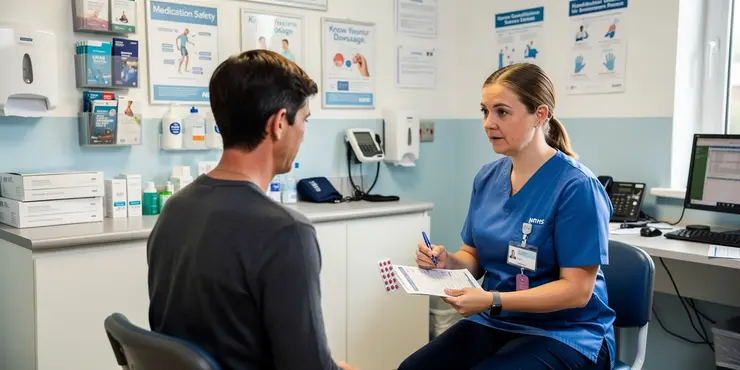

Speak To An Expert
Get clear, personalised advice for your situation.
Jot down a few questions to make the most of your conversation.
Introduction to Paracetamol
Paracetamol, also known as acetaminophen in some countries, is a common over-the-counter medication widely used to relieve pain and reduce fever. It is an essential medicine available in most pharmacies and supermarkets across the UK. Paracetamol is often chosen due to its effectiveness and relatively low side effect profile when used correctly.
How Paracetamol Works
Paracetamol works by inhibiting the production of certain chemicals in the brain called prostaglandins. These chemicals play a crucial role in the body's ability to transmit pain signals and regulate body temperature. By reducing the production of prostaglandins, paracetamol helps to alleviate pain and bring down fever without having strong anti-inflammatory effects.
Common Uses of Paracetamol
Paracetamol is commonly used to treat a variety of conditions. It is frequently taken to relieve headaches, muscle aches, toothaches, and menstrual cramps. It is also effective in reducing the symptoms of fever, colds, and flu. Due to its versatility, paracetamol is a staple in many household medicine cabinets.
Dosage and Administration
In the UK, paracetamol is available in various forms, including tablets, capsules, and liquid suspensions. The typical adult dosage is 500 mg to 1,000 mg every 4 to 6 hours as needed, with a maximum of 4,000 mg in 24 hours. It is important to follow the dosage guidelines on the packaging or prescribed by a healthcare professional to avoid potential side effects or overdose.
Safety and Side Effects
Paracetamol is considered safe for most people when taken as directed. However, it can cause side effects in some cases. Mild side effects may include nausea or an allergic reaction such as a rash. More severe side effects are rare but can occur, particularly with an overdose, leading to liver damage or failure. It is crucial not to exceed the recommended dosage and to be cautious when taking other medications containing paracetamol to avoid unintentional overdose.
Paracetamol vs. Other Pain Relievers
Unlike nonsteroidal anti-inflammatory drugs (NSAIDs) such as ibuprofen or aspirin, paracetamol does not possess strong anti-inflammatory properties, making it a preferred option for individuals who cannot tolerate NSAIDs due to gastrointestinal issues or other contraindications. Additionally, paracetamol can be taken alongside NSAIDs to provide enhanced pain relief, but always under the advice of a healthcare professional.
Conclusion
Paracetamol is a widely used and accessible medication in the UK, valued for its efficacy in pain and fever management. Understanding how to use it safely and effectively can help individuals benefit from its therapeutic effects while minimising potential risks. Always consult with a healthcare provider if you have concerns or questions about using paracetamol as part of your treatment regimen.
What is Paracetamol?
Paracetamol is a medicine used to help with pain and fever. In some places, it is called acetaminophen. You can buy it from a pharmacy or supermarket without a prescription. People like to use it because it works well and usually does not cause many problems if used properly.
How Does Paracetamol Help?
Paracetamol helps by stopping certain things in your brain that cause pain and raise your temperature. These things are called prostaglandins. By lowering these, paracetamol can help make you feel better when you are hurting or when you have a fever.
What is Paracetamol Used For?
People use paracetamol for many reasons. It can help when you have a headache, sore muscles, toothache, or stomach cramps. It also helps if you have a fever or a cold. This is why many people keep it at home in their medicine cabinets.
How Much Paracetamol Should You Take?
In the UK, paracetamol comes in tablets, capsules, and liquid. Adults should take 500 mg to 1,000 mg every 4 to 6 hours if they need it, but not more than 4,000 mg in one day. Always read the label or ask a doctor to make sure you take the right amount.
Is Paracetamol Safe?
Paracetamol is usually safe if you take it the right way. Sometimes, it can cause problems like feeling sick or getting a rash. If you take too much, it can hurt your liver. Be careful and do not take more than you should. Also, check if other medicines you take have paracetamol to avoid taking too much.
Paracetamol and Other Pain Medicines
Paracetamol is different from other pain medicines like ibuprofen or aspirin because it does not reduce swelling. It is good for people who cannot use ibuprofen or aspirin. Sometimes, doctors say you can take paracetamol with these other medicines, but always ask your doctor first.
Summary
Paracetamol is a common medicine in the UK that helps with pain and fever. It is important to take it safely. If you have questions or worries about using paracetamol, talk to a healthcare provider.
Frequently Asked Questions
Paracetamol is a common over-the-counter medication used to relieve pain and reduce fever.
Paracetamol works by inhibiting the production of prostaglandins in the brain, which helps to reduce pain and fever.
No, Paracetamol is not classified as an anti-inflammatory drug; it primarily acts as a pain reliever and fever reducer.
Paracetamol is commonly used to treat headaches, muscle aches, arthritis, backaches, toothaches, colds, and fevers.
The usual adult dosage is 500 mg to 1000 mg every 4 to 6 hours, not exceeding 4000 mg in a 24-hour period.
Paracetamol is generally well tolerated, but side effects can include allergic reactions, rashes, or in rare cases, liver damage if taken in high doses.
Paracetamol is generally considered safe to take during pregnancy; however, it's always best to consult with a healthcare provider.
It's best to avoid alcohol when taking Paracetamol, as both substances are metabolized by the liver and can increase the risk of liver damage.
Paracetamol is safe for children when used in appropriate doses as advised by a healthcare provider.
Seek immediate medical attention if you suspect a Paracetamol overdose, as it can lead to serious liver damage.
Yes, Paracetamol can be taken with or without food, as it does not irritate the stomach lining.
Paracetamol typically starts to relieve pain and reduce fever within 30 minutes to an hour of taking it.
Yes, Paracetamol is known as acetaminophen in the United States and Canada.
If you have liver disease, consult your healthcare provider before taking Paracetamol, as it can exacerbate liver problems.
Paracetamol can interact with certain medications like warfarin. It's important to consult with a healthcare provider before combining it with other drugs.
No, Paracetamol is not effective for treating inflammation. Anti-inflammatory medications are more appropriate for this purpose.
While Paracetamol is safe when taken within recommended doses, long-term daily use should be monitored by a healthcare provider.
Paracetamol is not known to be addictive and does not cause dependency.
Signs of overdose may include nausea, vomiting, loss of appetite, confusion, and liver damage. Seek medical help immediately if an overdose is suspected.
Yes, Paracetamol and ibuprofen can be taken together or alternated, but it's important to follow dosing guidelines and advice from a healthcare provider.
Paracetamol is a medicine you can buy in shops. It helps when you're in pain or feeling hot with a fever.
Paracetamol helps by stopping something in your brain called prostaglandins. This helps to make pain and fever go away.
No, Paracetamol is not used to stop swelling. It helps to make pain go away and reduces fever.
Paracetamol helps when you have a headache, sore muscles, arthritis, back pain, toothache, a cold, or fever.
Adults usually take 500 mg to 1000 mg every 4 to 6 hours. Do not take more than 4000 mg in one day.
Paracetamol is usually safe to take. But sometimes it can cause problems. Your body might react badly, and you could get a rash. If you take too much, it might harm your liver. It's important to take the right amount.
Paracetamol is usually safe to take when you are pregnant. But it's a good idea to talk to a doctor or nurse first.
It is better to not drink alcohol when you take Paracetamol. Both of these go through your liver and together, they can hurt your liver.
Paracetamol is safe for kids if they take the right amount. Ask a doctor or nurse how much to give.
If you think someone has taken too much Paracetamol, get help from a doctor right away. Taking too much can hurt the liver badly.
You can take Paracetamol with food or without food. It won't hurt your stomach.
Paracetamol can help with pain and fever. It usually starts working 30 minutes to 1 hour after you take it.
Yes, Paracetamol is called acetaminophen in the United States and Canada.
If your liver is not healthy, talk to your doctor before you take Paracetamol. Paracetamol can make liver problems worse.
Paracetamol might not work well with some other medicines, like warfarin. It's a good idea to ask a doctor or nurse before taking it with other medicines.
No, Paracetamol does not help with swelling. Medicines that stop swelling work better.
Paracetamol is usually safe if you follow the directions. But if you need to take it every day for a long time, talk to a doctor or nurse to make sure it is safe.
Paracetamol is a medicine that helps when you have pain or a fever. It is not habit-forming, which means you won't get addicted to it, and you won’t feel like you need to keep taking it.
If someone takes too much medicine, it might make them feel very sick. They could feel like throwing up, not want to eat, feel confused, or have a hurt tummy. This can be very dangerous for your liver. It is very important to get help from a doctor right away if you think someone took too much medicine.
Yes, you can take paracetamol and ibuprofen together or one after the other. But, it is very important to listen to your doctor or nurse about how much to take and when.

Ergsy Search Results
This website offers general information and is not a substitute for professional advice.
Always seek guidance from qualified professionals.
If you have any medical concerns or need urgent help, contact a healthcare professional or emergency services immediately.
Some of this content was generated with AI assistance. We've done our best to keep it accurate, helpful, and human-friendly.
- Ergsy carefully checks the information in the videos we provide here.
- Videos shown by Youtube after a video has completed, have NOT been reviewed by ERGSY.
- To view, click the arrow in centre of video.
- Most of the videos you find here will have subtitles and/or closed captions available.
- You may need to turn these on, and choose your preferred language.
- Go to the video you'd like to watch.
- If closed captions (CC) are available, settings will be visible on the bottom right of the video player.
- To turn on Captions, click settings.
- To turn off Captions, click settings again.