
Get Answers
Understanding the Symptoms of Measles
Measles, an extremely contagious viral infection, primarily affects children but can impact individuals of any age. It's important to recognize the symptoms early for timely management and to prevent spreading. Here is a detailed guide about the symptoms of measles aimed at helping residents of the United Kingdom to stay informed.
Initial Symptoms
Measles initially presents with symptoms that resemble a common cold. It usually starts with a high fever, which can exceed 39°C (102.2°F). Accompanying the fever might be a runny nose, sore, red eyes (conjunctivitis), and a cough. These initial symptoms typically begin 10 to 12 days after exposure to the virus.
Appearance of Rash
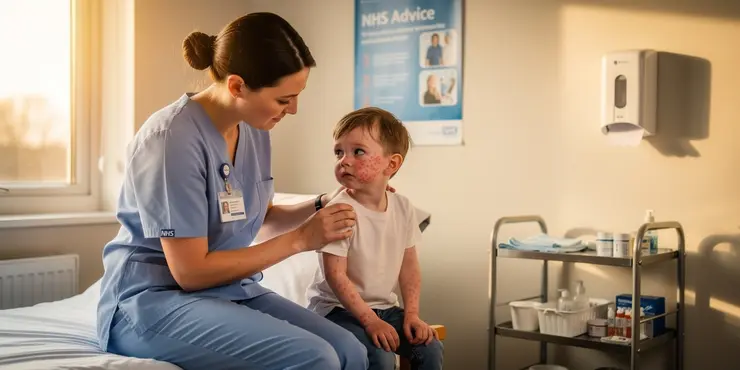
The most iconic symptom of measles is a distinctive red, blotchy rash. This rash usually emerges a few days after the onset of the initial symptoms. It typically begins on the face and spreads downward to the rest of the body over the course of a few days. The rash may be itchy and generally persists for about five to six days before beginning to recede.
Other Common Symptoms
In addition to the fever and rash, individuals with measles may experience other systemic symptoms such as a sore throat, loss of appetite, and fatigue. Koplik's spots, tiny white oral lesions, may appear in the mouth before the rash develops, which are a hallmark of measles infection.
When to Seek Medical Advice
If you or your child exhibit signs that align with the symptoms noted above, it is crucial to seek medical advice promptly. In the UK, healthcare professionals will provide supportive care and specific recommendation to prevent the spread of measles. Isolation during the contagious period is essential to protect those who might not have immunity.
Conclusion
Awareness and early detection are key in managing measles. Vaccination remains the most effective method for prevention, and measles is part of the MMR (measles, mumps, and rubella) vaccination programme freely available on the NHS in the UK. Stay vigilant about symptoms and consult a healthcare professional if you suspect exposure to the virus.
Understanding the Signs of Measles
Measles is a sickness caused by a virus. It spreads easily and mostly affects children but can affect anyone. It is important to spot the signs early so you can stop it from spreading and get help quickly. This guide will help people in the UK know what to look for.
Early Signs
Measles first looks like a cold. You might get a high fever that can go above 39°C. You might also have a runny nose, red eyes, and a cough. These signs usually start 10 to 12 days after catching the virus.
Spotting the Rash
Measles has a well-known red rash. It shows up a few days after the first signs. It starts on the face and spreads to the rest of the body in a few days. The rash might itch and usually lasts about five to six days before it goes away.
Other Signs
Along with fever and rash, people with measles might have a sore throat, feel very tired, and lose their appetite. Tiny white spots can also appear in the mouth before the rash. These spots are a special sign of measles.
When to See a Doctor
If you or your child have signs of measles, see a doctor right away. In the UK, doctors will help you and give advice to stop measles from spreading. Staying away from others when you are sick is important to protect people who might not be vaccinated.
Final Thoughts
Knowing the signs of measles helps you deal with it early. Vaccination is the best way to stop measles, and you can get the MMR vaccine for free on the NHS in the UK. Watch for signs and talk to a doctor if you think you have been near someone with measles.
Frequently Asked Questions
The initial symptoms of measles usually include fever, runny nose, cough, and red eyes.
After a few days, a characteristic red, blotchy rash usually appears, starting on the head and spreading to the rest of the body.
Yes, measles can cause conjunctivitis, which is an inflammation of the lining of the eye, making them red and watery.
Yes, a high fever is commonly associated with measles and can reach up to 40°C (104°F).
Yes, small white spots known as Koplik's spots may appear inside the mouth before the skin rash develops.
The measles rash usually lasts for about 4 to 7 days.
In more severe cases, measles can lead to ear infections, diarrhoea, and encephalitis (swelling of the brain).
Symptoms typically appear 10 to 12 days after exposure to the virus.
While it's uncommon, especially in vaccinated individuals, someone may have a very mild case with few symptoms.
The rash generally starts on the face and behind the ears, then spreads down the body to the legs and feet.
Yes, body aches and a general feeling of unwellness often accompany measles.
Yes, the respiratory system can be affected, leading to symptoms like a cough and sore throat.
Yes, fatigue and tiredness are common symptoms of measles.
Yes, while many recover without issues, measles can be serious and lead to complications, especially in young children and adults with weakened immune systems.
You should contact your GP for guidance, avoid public places to prevent spreading the virus, and follow medical advice given.
At first, measles can make you feel sick with a fever. You might also have a runny nose, a cough, and red eyes.
After a few days, you might see a red, spotty rash. It usually starts on the head and then goes to the rest of the body.
Yes, measles can make your eyes sore. This is called conjunctivitis. It means the eyes get red and watery.
Yes, measles often causes a high fever. The fever can get as hot as 40°C (104°F).
Yes, small white spots can show up in the mouth. These are called Koplik's spots. They come before the rash on your skin.
The measles rash usually stays on your skin for 4 to 7 days.
Measles can sometimes cause more serious problems. It can make you get ear infections, diarrhoea (runny poo), and a really bad kind of sickness called encephalitis, which means the brain gets swollen.
Signs of being sick usually show up about 10 to 12 days after you come into contact with the virus.
It's not very common, but a person who had their vaccines might still get sick. They might feel a little bit sick, but not too bad.
The rash usually starts on the face and behind the ears. Then it spreads down the body to the legs and feet.
Yes, when you have measles, your body might hurt, and you might feel sick.
Yes, your breathing system can get sick. This can make you cough and give you a sore throat.
Yes, feeling very tired and sleepy happens a lot when you have measles.
Yes, most people get better from measles without problems. But measles can be dangerous. It can make some people very sick. This is true for little kids and people whose bodies are not strong enough to fight off infections.
Talk to your doctor if you need help. Stay away from crowded places so you don't pass the virus to others. Do what the doctor says. You can also use picture cards or word lists to remember what to do.

Ergsy Search Results
This website offers general information and is not a substitute for professional advice.
Always seek guidance from qualified professionals.
If you have any medical concerns or need urgent help, contact a healthcare professional or emergency services immediately.
Some of this content was generated with AI assistance. We've done our best to keep it accurate, helpful, and human-friendly.
- Ergsy carefully checks the information in the videos we provide here.
- Videos shown by Youtube after a video has completed, have NOT been reviewed by ERGSY.
- To view, click the arrow in centre of video.
- Most of the videos you find here will have subtitles and/or closed captions available.
- You may need to turn these on, and choose your preferred language.
- Go to the video you'd like to watch.
- If closed captions (CC) are available, settings will be visible on the bottom right of the video player.
- To turn on Captions, click settings.
- To turn off Captions, click settings again.