
Find Help
More Items From Ergsy search
-
What is a virtual ward?
Relevance: 100%
-
Are virtual wards safe?
Relevance: 100%
-
What are Virtual Wards?
Relevance: 100%
-
How do virtual wards work?
Relevance: 96%
-
What are the advantages of virtual wards?
Relevance: 95%
-
Are virtual wards suitable for elderly patients?
Relevance: 92%
-
How do I enroll in a virtual ward program?
Relevance: 91%
-
How are emergencies handled in a virtual ward?
Relevance: 91%
-
Can virtual wards reduce hospital overcrowding?
Relevance: 90%
-
Is my data secure on a virtual ward?
Relevance: 90%
-
Who can benefit from a virtual ward?
Relevance: 89%
-
Do insurance companies cover virtual ward services?
Relevance: 89%
-
What technologies are used in virtual wards?
Relevance: 88%
-
How do virtual wards improve patient outcomes?
Relevance: 88%
-
Do I need special equipment to be part of a virtual ward?
Relevance: 88%
-
What types of conditions can be managed on a virtual ward?
Relevance: 87%
-
What are the qualifications of the staff managing virtual wards?
Relevance: 87%
-
Will I still have access to doctors and nurses on a virtual ward?
Relevance: 86%
-
What kind of support will I receive at home on a virtual ward?
Relevance: 85%
-
How do virtual wards differ from traditional home healthcare?
Relevance: 85%
-
Can family members be involved in the care process on a virtual ward?
Relevance: 82%
-
What are the advantages of virtual wards?
Relevance: 43%
-
What are the advantages of virtual wards?
Relevance: 43%
-
What are the advantages of virtual wards?
Relevance: 43%
-
What are the advantages of virtual wards?
Relevance: 43%
-
What are the advantages of virtual wards?
Relevance: 43%
-
What are the advantages of virtual wards?
Relevance: 43%
-
Who can benefit from a virtual ward?
Relevance: 37%
-
Do I need special equipment to be part of a virtual ward?
Relevance: 37%
-
Can family members be involved in the care process on a virtual ward?
Relevance: 32%
-
Can family members be involved in the care process on a virtual ward?
Relevance: 32%
-
Can family members be involved in the care process on a virtual ward?
Relevance: 32%
-
Can family members be involved in the care process on a virtual ward?
Relevance: 32%
-
Can family members be involved in the care process on a virtual ward?
Relevance: 32%
-
NHS Winter Preparedness Plans Unveiled Amid Rising Seasonal Pressures
Relevance: 21%
-
How can technology help older adults find new hobbies?
Relevance: 17%
-
Does the NHS offer an online hospital for prostate cancer?
Relevance: 17%
-
What digital services have been introduced in family courts in 2026?
Relevance: 16%
-
Does the NHS offer an online hospital for prostate cancer?
Relevance: 16%
-
Can technology aid in the care of Alzheimer's patients?
Relevance: 14%
Introduction to Virtual Wards
Virtual wards are an innovative healthcare approach designed to provide hospital-level care at home. This model allows patients to receive the necessary medical attention without being physically admitted to a hospital. It aims to reduce hospital admissions and free up resources for those who need them most.
The concept is gaining traction in the UK as a viable solution to the ever-increasing pressure on the NHS. It leverages technology and multidisciplinary healthcare teams to monitor and treat patients remotely.
How Virtual Wards Work
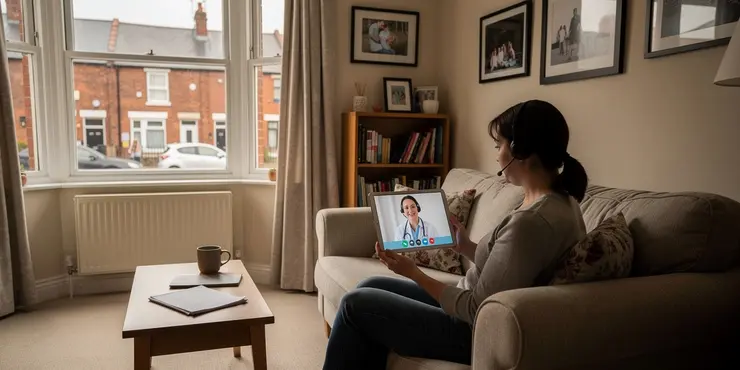
Virtual wards make use of digital tools to monitor patients' health conditions from their homes. These tools can include wearable devices, mobile health applications, and video consultations. They enable healthcare professionals to track vital signs and respond swiftly to any changes.
Patients in a virtual ward usually have a tailored care plan supported by a team of doctors, nurses, and other specialists. This team collaborates to ensure that each patient receives comprehensive care with regular updates and adjustments as needed.
Benefits of Virtual Wards
One significant advantage of virtual wards is the ability to ease the burden on hospital infrastructure. By treating patients at home, hospitals can prioritize acute and emergency cases.
Patients benefit from staying in familiar environments, which can aid in recovery. They avoid the stress and inconvenience of hospital stays and the potential for hospital-acquired infections.
Challenges and Considerations
While virtual wards have many benefits, they also present certain challenges. Ensuring that patients have access to necessary technology and internet connectivity is crucial. Not all patients may have the skills or resources to engage with digital health tools.
Additionally, the effectiveness of a virtual ward relies heavily on communication and coordination among healthcare professionals. Clear protocols and regular training are necessary to maintain high-quality care standards.
The Future of Virtual Wards
As technology continues to evolve, the potential for virtual wards is vast. The NHS is investing in expanding this model, hoping it will become a standard component of healthcare delivery.
Future developments may include more sophisticated monitoring tools and AI-driven health management systems. These advancements could make virtual wards an even more integral part of patient care in the UK.
What Are Virtual Wards?
Virtual wards are a new way to help people get better at home instead of in the hospital. This means patients can get the care they need without going to the hospital. It helps keep hospitals less crowded and helps people who really need to be there.
In the UK, people are starting to use virtual wards more and more. They use technology and different health experts to look after patients from afar.
How Do Virtual Wards Work?
Virtual wards use digital tools to check on patients’ health while they are at home. These tools include things you can wear, health apps on phones, and video calls with doctors. They help health workers see how a patient is doing and act quickly if something changes.
Patients in virtual wards have special care plans just for them, made by a team of doctors, nurses, and other helpers. This team works together to make sure patients get all the care they need and change plans if needed.
Why Are Virtual Wards Good?
Virtual wards help by making hospitals less crowded. This means hospitals can take care of people who are very sick or need emergency help.
Patients also feel better at home, because they are in a place they know. They do not have to worry about hospital stays or getting infections from hospitals.
What Are the Challenges?
Even though virtual wards have good points, there are also some problems. It is important to make sure everyone has the technology and internet they need. Not everyone knows how to use digital health tools.
Also, virtual wards work best when doctors and nurses talk to each other well. They need clear rules and training to keep care high-quality.
What Is Next for Virtual Wards?
As technology gets better, virtual wards can do more and more things. The NHS wants to use virtual wards more in the future, to make them a regular part of care.
New tools and smart computer systems could help virtual wards grow. This will make virtual wards a bigger part of taking care of patients in the UK.
Frequently Asked Questions
What is a virtual ward?
A virtual ward is a healthcare model that allows patients to receive medical care at home while still benefiting from the resources and support typically found in an inpatient hospital ward.
How do virtual wards work?
Virtual wards use technology such as remote monitoring, telehealth consultations, and digital communication tools to manage and monitor patients' health conditions at home.
Who can benefit from a virtual ward?
Patients with chronic illnesses, those recovering from surgery, or individuals who need ongoing monitoring and support can benefit from virtual wards.
What technologies are used in virtual wards?
Technologies include wearable health devices, smartphones or tablets for video consultations, and digital platforms for monitoring vital signs and symptoms.
Are virtual wards safe?
Yes, virtual wards are designed to be safe by employing regular monitoring, timely interventions, and structured support from healthcare professionals.
What are the advantages of virtual wards?
Advantages include better patient comfort, reduced hospital stays, individualized care, and decreased healthcare costs.
Will I still have access to doctors and nurses on a virtual ward?
Yes, patients on virtual wards have access to a team of healthcare professionals, including doctors and nurses, through telehealth services.
How do virtual wards improve patient outcomes?
Virtual wards improve outcomes by enabling early detection of health issues, minimizing hospital readmissions, and providing continuous support and care.
What types of conditions can be managed on a virtual ward?
Conditions like heart failure, respiratory diseases, diabetes, and post-operative recovery are commonly managed on virtual wards.
Is my data secure on a virtual ward?
Yes, virtual wards ensure data security by using encrypted communication channels and compliant data storage systems.
How do virtual wards differ from traditional home healthcare?
Virtual wards integrate advanced technology and structured oversight similar to hospital care, rather than just providing standalone home visits.
Can virtual wards reduce hospital overcrowding?
Yes, by managing patients at home, virtual wards can help alleviate the burden on hospitals and reduce overcrowding.
What kind of support will I receive at home on a virtual ward?
Support typically includes regular remote monitoring, scheduled virtual check-ins, and easy access to healthcare professionals for any urgent needs.
Do I need special equipment to be part of a virtual ward?
Patients may need access to devices like blood pressure monitors or a smartphone for communication and monitoring purposes.
Are virtual wards suitable for elderly patients?
Yes, elderly patients can benefit significantly from virtual wards, as they provide continuous care while allowing patients to stay in familiar surroundings.
How are emergencies handled in a virtual ward?
Virtual wards are equipped to detect early signs of emergencies, and protocols are in place to ensure rapid response, which may include dispatching emergency services if needed.
Can family members be involved in the care process on a virtual ward?
Yes, family members can often be included in the care process, providing them with education and tools to assist in the patient's care.
What are the qualifications of the staff managing virtual wards?
Virtual ward staff typically include trained healthcare professionals such as doctors, nurses, and specialized care managers.
Do insurance companies cover virtual ward services?
Coverage depends on the insurance provider, but many are beginning to recognize and cover virtual ward services due to their effectiveness and cost efficiency.
How do I enroll in a virtual ward program?
Enrollment typically requires a referral from a healthcare provider, who will assess if you are a suitable candidate for the virtual ward program.
What is a virtual ward?
A virtual ward is care at home. Nurses and doctors help you by phone or video. You do not stay in a hospital.
- Use video calls for questions.
- Check your health with simple tools at home, like a thermometer.
Call a friend or family member if you need help using these tools.
A virtual ward is a way for doctors and nurses to care for someone at home. It is like having hospital care, but you stay at home. You still get help and support just like in a hospital.
How do virtual wards work?
Virtual wards let doctors and nurses care for people in their own homes, not in hospital.
Doctors and nurses use phones, tablets, or computers to check how people are doing.
They may use special devices to know important health things, like your heart rate or oxygen level.
You, your family, or carers can help too by sharing how you feel.
Helpful tools for reading:
- Ask someone to read with you.
- Use video chat to see your doctor or nurse.
Virtual wards use technology to help people stay safe and healthy at home. They use tools like remote monitoring, telehealth calls, and digital chats to watch and care for patients.
Who can use a virtual ward?
A virtual ward is a place where doctors and nurses look after you, but you stay at home. It helps people who do not need to be in a hospital bed but still need care. Here is who can use it:
- People who are getting better after being sick.
- People who have ongoing health problems.
- Older people who need extra help.
You can use things like video calls on a tablet or computer to talk to doctors.
If you find reading hard, ask someone to read this with you. You can also use voice-to-text tools to help.
People who are sick for a long time, are healing after surgery, or need to be checked on a lot can get help from virtual wards.
What tools help in virtual wards?
There are different types of technology that can help with health.
Some of these are:
- Clothes or watches that can keep track of your health.
- Phones or tablets that let you talk to doctors over video.
- Online tools that watch your health and how you feel.
These tools can make it easier to stay healthy and get help when you need it.
Are virtual wards safe?
A virtual ward is a place where patients get care at home instead of staying in hospital.
Virtual wards are safe if doctors and nurses check on you often. They use phones and computers to make sure you are okay.
If you feel sick, tell your nurse or doctor straight away.
Using a phone or tablet can help you talk to your doctor easily.
Ask someone you trust to help you with calls or video chats if you need it.
Yes, virtual wards are safe. Doctors and nurses watch you closely, help quickly if needed, and give you lots of support.
What is good about virtual wards?
Good things about this include:
- People feel more comfortable.
- People stay in the hospital for less time.
- People get care that is just right for them.
- It costs less money.
Can I talk to doctors and nurses on a virtual ward?
Yes! You can still talk to doctors and nurses on a virtual ward. You can use a phone, computer, or tablet to talk to them. You can also ask someone to help you if you need it.
Yes, people in virtual wards can talk to doctors and nurses. They use computers or phones to speak to them.
How do virtual wards help patients get better?
Virtual wards help by finding health problems early, keeping people out of the hospital again, and giving them support and care all the time.
What health problems can be looked after in a virtual ward?
Lots of people get better on virtual wards. They may have heart problems, breathing problems, diabetes, or be getting better after surgery.
Is my data safe on a virtual ward?
Your information is kept safe on a virtual ward. A virtual ward uses special computer systems to keep your data private and secure.
Tools like strong passwords and secure websites help protect your data.
If you have more questions, you can ask the people who run the virtual ward.
Yes, virtual wards keep your data safe. They do this by using secret codes for talking and storing information safely.
What is different about virtual wards and traditional home healthcare?
Virtual wards use special technology to help people at home, like they are in a hospital. This means more than just having a nurse visit your home. It's like having a hospital at home!
Here are some tools and tips to help understand:
- Use pictures or diagrams to show how virtual wards work.
- Watch a video about virtual wards to see it in action.
- Ask someone to read it with you and talk about it.
Can virtual wards help crowded hospitals?
Yes, looking after people at home with virtual wards can help hospitals by making them less busy.
What help will I get at home in a virtual ward?
A virtual ward means you get care at home.
You will talk to doctors and nurses on the computer or phone.
Here is how they help you:
- Check how you are feeling.
- Give you medicine if you need it.
- Ask you to do easy tests, like taking your temperature.
- Help you if you have questions.
Tools to help you:
- A phone or tablet for video calls.
- A notepad to write down questions.
Help usually means someone checks on you from far away. There are times to talk online. You can also talk to doctors or nurses easily if you need help right away.
Do I need any special things to join a virtual ward?
No, you don't need special things to join. Here are some tips to help:
- Use a computer or tablet if you can. They have big screens.
- Make sure you have the internet. You can ask someone to help.
- You might use headphones to hear better.
- Ask someone if you need help with the computer.
Remember, it is okay to ask for help if you don’t understand.
People might need to use things like a blood pressure checker or a smartphone. These help with talking to others and keeping an eye on their health.
Can older people use virtual wards?
Virtual wards help people stay at home while getting care from doctors and nurses online. Are they good for older people? Let's find out.
- Virtual wards can be good for older people who find it hard to travel to the hospital.
- It might make older people feel better to stay in their own home.
- Doctors and nurses can talk to patients over the internet using video calls.
- Family members can help older people use video calls and online tools.
Always check with a doctor to see if a virtual ward is the right choice for an older person.
Yes, older people can get a lot of help from virtual wards. They get care all the time and can stay at home where they feel comfortable.
What happens if there is an emergency in a virtual ward?
Virtual wards are places that help look after people. They can see when something might be wrong quickly. There are plans to help fast if there is an emergency. This might mean calling an ambulance if it's needed.
Can family help with care on a virtual ward?
Yes, family can help! Here are some easy ways:
- Talk to Doctors: Family can join video calls with doctors to learn more.
- Help with Care: Family can help with medicine and care tasks at home.
- Use Tools: Family can use apps or tools to watch health signs, like heart rate or temperature.
Tips for family:
- Ask questions if you don't understand.
- Write down important information.
- Make a list of things to do every day.
Yes, family members can help take care. They can learn how to help the patient and use tools to make care easier.
Who takes care of people in virtual wards and what are they good at?
Virtual wards are places where you get care at home, not in hospital. Special people help you there.
The people who help are called staff. They are nurses, doctors, or other healthcare helpers. They know how to take care of people.
These staff members have learned a lot. They went to school to learn about health. They also practiced with real patients.
It is important that they are careful and kind. They make sure you feel better and safe while staying at home.
If you have questions or need help, you can ask them anytime.
To make reading easier, try using a finger to follow along or read out loud.
Virtual ward staff are people who work to help you feel better. They include doctors, nurses, and people who manage your care. These staff members are specially trained to help with your health.
Does your insurance pay for virtual ward care?
A virtual ward lets doctors and nurses help you while you stay at home. It is like having a hospital at home.
Check if your insurance will pay for this. You can call your insurance company and ask them. You may also get help from a family member or friend to find out.
What is covered depends on the company that gives the insurance. But many are starting to pay for virtual ward services because they work well and don’t cost too much.
How can I join a virtual ward program?
Joining a virtual ward is like signing up for help from doctors and nurses from your home. Here’s a simple way to do it:
- Find a program: Ask your doctor if a virtual ward is right for you. They can tell you about programs near you.
- Contact them: Once you find a program, get in touch. You might need to fill out a form or call them.
- Ask questions: Remember, it’s okay to ask questions if you don’t understand something.
Some useful tools can help you, like a smartphone or computer, to join meetings and talk with your health team.
To join the program, your doctor or healthcare worker needs to say it's a good idea for you. They will check if this program can help you.

Useful Links
This website offers general information and is not a substitute for professional advice.
Always seek guidance from qualified professionals.
If you have any medical concerns or need urgent help, contact a healthcare professional or emergency services immediately.
- Ergsy carfully checks the information in the videos we provide here.
- Videos shown by Youtube after a video has completed, have NOT been reviewed by ERGSY.
- To view, click the arrow in centre of video.
- Most of the videos you find here will have subtitles and/or closed captions available.
- You may need to turn these on, and choose your preferred language.
- Go to the video you'd like to watch.
- If closed captions (CC) are available, settings will be visible on the bottom right of the video player.
- To turn on Captions, click settings .
- To turn off Captions, click settings again.
More Items From Ergsy search
-
What is a virtual ward?
Relevance: 100%
-
Are virtual wards safe?
Relevance: 100%
-
What are Virtual Wards?
Relevance: 100%
-
How do virtual wards work?
Relevance: 96%
-
What are the advantages of virtual wards?
Relevance: 95%
-
Are virtual wards suitable for elderly patients?
Relevance: 92%
-
How do I enroll in a virtual ward program?
Relevance: 91%
-
How are emergencies handled in a virtual ward?
Relevance: 91%
-
Can virtual wards reduce hospital overcrowding?
Relevance: 90%
-
Is my data secure on a virtual ward?
Relevance: 90%
-
Who can benefit from a virtual ward?
Relevance: 89%
-
Do insurance companies cover virtual ward services?
Relevance: 89%
-
What technologies are used in virtual wards?
Relevance: 88%
-
How do virtual wards improve patient outcomes?
Relevance: 88%
-
Do I need special equipment to be part of a virtual ward?
Relevance: 88%
-
What types of conditions can be managed on a virtual ward?
Relevance: 87%
-
What are the qualifications of the staff managing virtual wards?
Relevance: 87%
-
Will I still have access to doctors and nurses on a virtual ward?
Relevance: 86%
-
What kind of support will I receive at home on a virtual ward?
Relevance: 85%
-
How do virtual wards differ from traditional home healthcare?
Relevance: 85%
-
Can family members be involved in the care process on a virtual ward?
Relevance: 82%
-
What are the advantages of virtual wards?
Relevance: 43%
-
What are the advantages of virtual wards?
Relevance: 43%
-
What are the advantages of virtual wards?
Relevance: 43%
-
What are the advantages of virtual wards?
Relevance: 43%
-
What are the advantages of virtual wards?
Relevance: 43%
-
What are the advantages of virtual wards?
Relevance: 43%
-
Who can benefit from a virtual ward?
Relevance: 37%
-
Do I need special equipment to be part of a virtual ward?
Relevance: 37%
-
Can family members be involved in the care process on a virtual ward?
Relevance: 32%
-
Can family members be involved in the care process on a virtual ward?
Relevance: 32%
-
Can family members be involved in the care process on a virtual ward?
Relevance: 32%
-
Can family members be involved in the care process on a virtual ward?
Relevance: 32%
-
Can family members be involved in the care process on a virtual ward?
Relevance: 32%
-
NHS Winter Preparedness Plans Unveiled Amid Rising Seasonal Pressures
Relevance: 21%
-
How can technology help older adults find new hobbies?
Relevance: 17%
-
Does the NHS offer an online hospital for prostate cancer?
Relevance: 17%
-
What digital services have been introduced in family courts in 2026?
Relevance: 16%
-
Does the NHS offer an online hospital for prostate cancer?
Relevance: 16%
-
Can technology aid in the care of Alzheimer's patients?
Relevance: 14%


