
Get Answers
Introduction to Virtual Wards
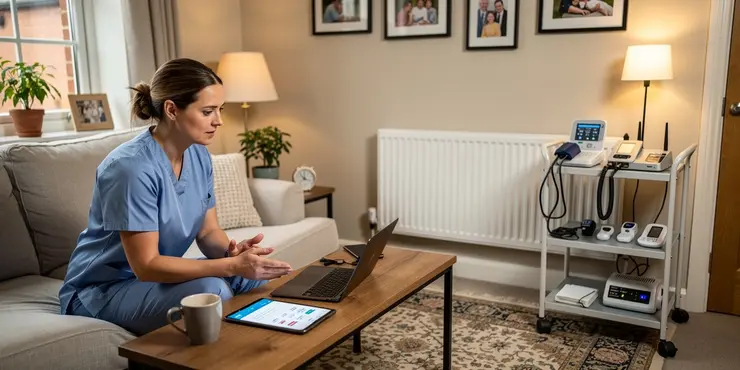
Virtual wards offer an innovative approach to healthcare by providing patient care in the comfort of their own homes. They utilise technology to monitor and support patients, reducing the need for hospital stays. This model has been gaining traction in the UK, aligning with efforts to modernise healthcare delivery.
This approach is particularly beneficial for patients with chronic conditions or those recently discharged from hospital. By continuing care at home, virtual wards help bridge the gap between hospital and home, ensuring patients receive the necessary support as they transition.
Enhanced Patient Monitoring
Technology plays a crucial role in monitoring patient health on virtual wards. Devices such as wearable sensors and home monitoring kits track vital signs and send data to healthcare professionals. This real-time data allows for quicker responses to any change in a patient's condition.
Regular monitoring also empowers patients to take an active role in managing their health. This can lead to better adherence to treatment plans, as patients and healthcare providers work collaboratively, improving overall health outcomes.
Reduced Hospital Admissions
One of the significant benefits of virtual wards is the reduction in hospital admissions. By providing adequate care at home, virtual wards reduce the burden on hospitals, freeing up resources for more acute cases. This is particularly advantageous during peak times, such as flu season.
Fewer hospital admissions also mean reduced risks associated with prolonged hospital stays, such as hospital-acquired infections. Patients can recover in their familiar home environment, which is often more conducive to their overall well-being.
Personalised Care and Support
Virtual wards facilitate a more personalised approach to healthcare. Care plans can be tailored to meet individual needs, ensuring that patients receive the right level of support. This targeted care can address specific health challenges more effectively than a one-size-fits-all hospital environment.
Patients benefit from regular virtual check-ins with healthcare providers, ensuring that their progress is closely monitored. These interactions provide opportunities for timely adjustments to care plans, contributing to improved health outcomes.
Conclusion: A Step Forward in UK Healthcare
Virtual wards represent a significant advancement in the UK's healthcare system. They provide a flexible, efficient means of delivering care, particularly beneficial in an evolving healthcare landscape.
By enhancing patient monitoring, reducing hospital admissions, and offering personalised care, virtual wards are a promising approach. As they continue to evolve, their role in improving patient outcomes in the UK is likely to expand, heralding a new era of healthcare innovation.
Frequently Asked Questions
Virtual wards are healthcare services that use digital technology to monitor and support patients at home, simulating the care they would receive in a hospital setting.
They use remote patient monitoring devices to track vital signs, symptoms, and other health indicators, ensuring continuous patient oversight.
Technology provides the means for telecommunications, data collection, and remote monitoring, enabling healthcare professionals to manage patients' care remotely.
Yes, by managing patients' conditions effectively at home, virtual wards can prevent complications that lead to hospital admissions.
Yes, continuous monitoring allows for early detection of any deterioration in condition, allowing for timely intervention.
Receiving care in a comfortable home environment can enhance recovery times due to reduced stress and more personalized care.
Yes, virtual wards provide ongoing monitoring and management of chronic diseases, helping to improve long-term health outcomes.
By involving patients in their own healthcare management and providing them with tools and information, they promote active patient engagement.
They can reduce costs by avoiding hospital stays, reducing readmissions, and optimizing resource use.
Through tailored care plans and constant communication, virtual wards can offer personalized care catering to individual patient needs.
By keeping patients at home, they limit exposure to hospital-acquired infections, which contribute to better patient outcomes.
Many virtual ward services incorporate mental health support, providing resources and counseling to improve overall wellbeing.
They utilize digital reminders and remote consultations to ensure patients follow their prescribed medication regimens.
Telehealth facilitates virtual check-ups, consultations, and assessments, ensuring continued patient-physician interaction.
They are designed to complement existing healthcare systems, using interoperable data systems for seamless exchange of patient information.
Yes, they can monitor patients post-surgery for complications and ensure a smooth and safe recovery process at home.
They implement strict data protection measures, encryption, and compliance with privacy regulations to safeguard patient information.
Virtual wards typically involve a multidisciplinary team, including doctors, nurses, physiotherapists, and other health specialists.
Yes, they can be particularly beneficial for elderly patients by providing constant care while allowing them to remain in familiar surroundings.
Limitations can include technological barriers for some patients, the need for initial in-person assessments, and potential gaps in emergency care.

Ergsy Search Results
This website offers general information and is not a substitute for professional advice.
Always seek guidance from qualified professionals.
If you have any medical concerns or need urgent help, contact a healthcare professional or emergency services immediately.
Some of this content was generated with AI assistance. We've done our best to keep it accurate, helpful, and human-friendly.
- Ergsy carefully checks the information in the videos we provide here.
- Videos shown by Youtube after a video has completed, have NOT been reviewed by ERGSY.
- To view, click the arrow in centre of video.
- Most of the videos you find here will have subtitles and/or closed captions available.
- You may need to turn these on, and choose your preferred language.
- Go to the video you'd like to watch.
- If closed captions (CC) are available, settings will be visible on the bottom right of the video player.
- To turn on Captions, click settings.
- To turn off Captions, click settings again.