
Get Answers
Introduction to Virtual Wards
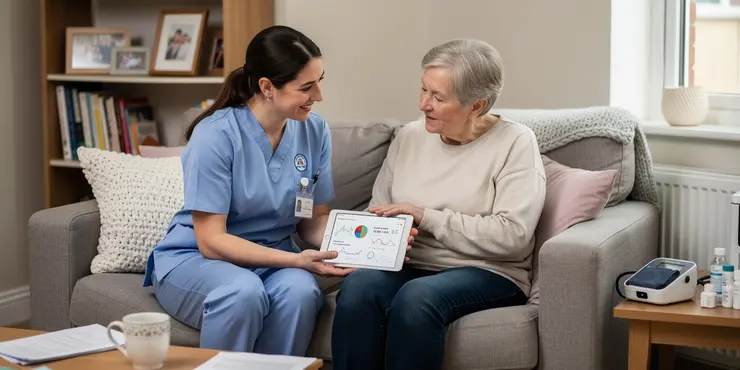
Virtual wards are an innovative approach in the UK healthcare system that allows patients to receive hospital-level care from the comfort of their homes. This model relies on technology to monitor patients remotely and address their needs promptly.
The success of virtual wards hinges on the qualifications and expertise of the staff managing them. Proper training and experience are essential for ensuring patient safety and treatment efficacy.
Medical Professionals
Qualified doctors are integral to the operation of virtual wards. These professionals often include general practitioners (GPs) and specialists who can provide medical oversight and decision-making.
Doctors involved in virtual wards must have a current and valid registration with the General Medical Council (GMC). They also require experience in acute care settings to make informed decisions remotely.
Nursing Staff
Experienced nurses play a crucial role in virtual wards, offering both clinical skills and patient interaction. They are responsible for monitoring patient conditions and coordinating care.
The nursing staff should be registered with the Nursing and Midwifery Council (NMC). Additional training in telehealth and remote monitoring systems enhances their ability to effectively manage patient care.
Allied Health Professionals
Allied health professionals may also be part of virtual ward teams. These can include physiotherapists, occupational therapists, and dietitians, who provide specialised care remotely.
These professionals must hold appropriate qualifications and registrations relevant to their fields. They contribute to a holistic approach by addressing physical, nutritional, and rehabilitative needs of patients.
Technical and Support Staff
Technical support staff ensure that the technology used in virtual wards runs smoothly. They handle the setup, maintenance, and troubleshooting of remote monitoring devices and communication tools.
These individuals should have expertise in healthcare technology systems and data security. Training in IT support and experience with telehealth platforms are essential to their roles.
Training and Continuous Education
Ongoing training is crucial for all staff working in virtual wards to keep pace with rapidly evolving technology and healthcare guidelines. This includes workshops and certifications on the latest tools and methodologies.
Continuous professional development ensures that staff remain competent and confident in delivering high-quality care remotely. It is an essential part of maintaining the effectiveness and safety of virtual wards.
Frequently Asked Questions
Staff typically have a background in healthcare, such as nursing, medicine, or health administration.
Yes, certifications in healthcare management, telehealth, or relevant clinical qualifications may be required.
Yes, clinical experience is crucial as it ensures understanding of patient care and medical procedures.
Technical skills in digital health technology and telemedicine platforms are important for the role.
Staff may undergo specialized training in telehealth operations and virtual care protocols.
Yes, ongoing education is important to keep up with advancements in digital healthcare and best practices.
Excellent communication skills are vital for coordinating care and interacting with patients and healthcare teams.
Leadership skills are important for managing teams, coordinating care, and ensuring efficient ward operations.
In many regions, healthcare professionals need to be licensed to practice, which applies to virtual ward management as well.
Yes, understanding data management is crucial for handling patient records and care analytics effectively.
Experience in remote patient monitoring is beneficial for managing virtual patient care effectively.
Familiarity with electronic health record systems and telemedicine software is typically required.
Collaborative skills are essential for working with multidisciplinary teams in providing comprehensive care.
Yes, staff should be trained to handle medical emergencies and escalate care when necessary.
Yes, providing patient education on how to use telehealth services and manage their conditions is part of the role.
Problem-solving skills are critical for quickly addressing clinical issues and system challenges in a virtual setting.
Yes, they must be knowledgeable about healthcare regulations, privacy laws, and compliance requirements.
Cultural competency is important for providing respectful and personalized care to diverse patient populations.
Risk management skills are essential to identify, assess, and mitigate potential risks in virtual care delivery.
Understanding healthcare ethics is important to ensure decisions are made in the best interest of patients.

Ergsy Search Results
This website offers general information and is not a substitute for professional advice.
Always seek guidance from qualified professionals.
If you have any medical concerns or need urgent help, contact a healthcare professional or emergency services immediately.
Some of this content was generated with AI assistance. We've done our best to keep it accurate, helpful, and human-friendly.
- Ergsy carefully checks the information in the videos we provide here.
- Videos shown by Youtube after a video has completed, have NOT been reviewed by ERGSY.
- To view, click the arrow in centre of video.
- Most of the videos you find here will have subtitles and/or closed captions available.
- You may need to turn these on, and choose your preferred language.
- Go to the video you'd like to watch.
- If closed captions (CC) are available, settings will be visible on the bottom right of the video player.
- To turn on Captions, click settings.
- To turn off Captions, click settings again.