
Get Answers
Understanding Virtual Wards
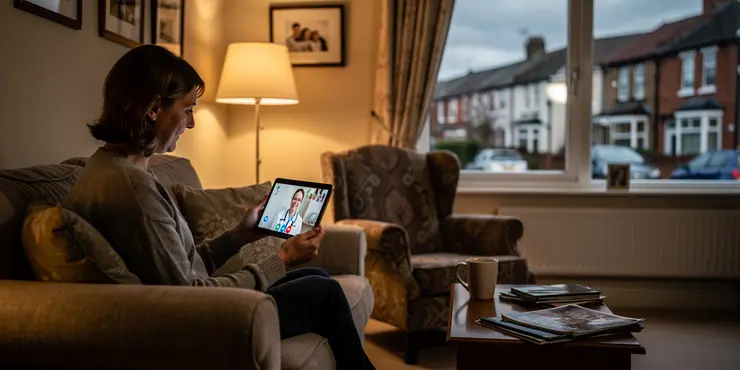
Virtual wards are a relatively new concept in healthcare, integrating technology with traditional care methods. They aim to monitor patients remotely, allowing them to remain at home while still receiving medical oversight. Virtual wards can include devices to track vital signs and regular digital check-ins with healthcare professionals.
In the UK, the NHS has been exploring virtual wards to alleviate pressure on hospitals. This comes in response to rising demands and the need to maximise healthcare resources. As these virtual solutions evolve, the question of their safety remains a key concern.
Safety Considerations
Safety in virtual wards depends on several factors, including technology reliability and data protection. It is crucial that the devices used to monitor patients are accurate and dependable. Malfunctioning equipment could lead to mismanagement of care, posing serious risks to patients.
Moreover, data security is of utmost importance, as patient information must be protected from breaches. Ensuring secure data transmission and storage is vital to maintain patient confidentiality and trust in virtual ward systems.
Patient Monitoring and Support
Effective monitoring and prompt support are crucial for the safety of virtual wards. Healthcare providers need to respond swiftly to any alerts or changes in a patient's condition. This means having sufficient staff trained in the technology and protocols of remote care.
Regular communication between patients and healthcare teams is also essential. Providing patients with comprehensive training on using the technological tools can reduce the risk of errors. By empowering patients, virtual wards can function more effectively.
Benefits and Challenges
Virtual wards offer significant benefits, such as reducing hospital admissions and allowing patients to recover at home. They provide a more comfortable environment while helping to free up hospital beds for those in critical need. However, challenges such as technology access and literacy must be addressed for widespread adoption.
Additionally, not all patients may be suitable for virtual ward solutions. Complex medical cases might still require in-person supervision, highlighting the need for a carefully integrated approach. Balancing these elements will determine the long-term success of virtual wards.
Regulatory Measures
Regulation and oversight are critical to ensuring virtual wards remain safe. In the UK, healthcare authorities must continuously evaluate and update guidelines on virtual ward practices. This involves assessing emerging technologies and their applications in patient care.
By maintaining high standards and adapting to new challenges, regulators can help ensure virtual wards contribute positively to the healthcare system. Close collaboration between health bodies, technology developers, and frontline practitioners is key to achieving this objective.
Frequently Asked Questions
Virtual wards are an extension of healthcare where patients are monitored remotely using digital technologies, allowing them to receive medical care and support from home rather than in a traditional hospital setting.
Yes, virtual wards are generally safe for patients when used appropriately. They involve the use of technology to monitor health metrics and provide timely medical interventions, aiming to ensure patient safety and care quality.
Virtual wards ensure patient safety through the use of remote monitoring devices, continuous health data tracking, and real-time communication with healthcare professionals who can provide timely interventions if necessary.
Patients with chronic conditions, recovering from surgery, or those requiring continuous monitoring for certain health conditions are commonly placed in virtual wards, as their health metrics can be effectively managed remotely.
While virtual wards are not designed for acute emergencies, they are equipped to detect early signs of deterioration through continuous monitoring, enabling healthcare professionals to act quickly if required.
Virtual wards utilize telemedicine platforms, wearable devices, health apps, remote patient monitoring tools, and secure communication channels to ensure comprehensive and safe patient care.
Patient data is generally secure in virtual wards as they employ strong encryption protocols, secure data storage, and comply with healthcare regulations such as HIPAA to protect patient privacy.
Virtual wards can positively affect patient recovery by allowing patients to rest in the comfort of their homes while still receiving appropriate medical attention, which can lead to improved recovery outcomes and patient satisfaction.
Yes, patients in virtual wards have regular access to healthcare professionals through video calls, messaging, and remote consultation, ensuring continuous medical support and guidance.
Healthcare providers assess patient conditions in virtual wards by analyzing data collected from remote monitoring devices, conducting virtual check-ups, and consulting with patients directly via telecommunication tools.
Yes, virtual wards can help reduce hospital overcrowding by enabling patients to receive care at home, thus freeing up hospital resources and beds for those who need more intensive care.
While virtual wards offer many benefits, risks can include technology failures, inadequate patient compliance with monitoring, and potential delays in emergency care if the situation escalates rapidly.
Healthcare professionals receive specialized training in using telehealth technologies, remote patient monitoring systems, and data interpretation to effectively manage and support patients in virtual wards.
Yes, virtual wards have shown to be effective in managing chronic diseases by providing continuous monitoring and early intervention, helping to prevent complications and hospital readmissions.
Benefits for patients include increased comfort, reduced risk of hospital-acquired infections, personalized care, and the ability to maintain a closer connection with family and community support.
Virtual wards align with patient-centered care by providing customized treatment plans, enhancing access to healthcare providers, and empowering patients to be more involved in their own health management.
Yes, a reliable internet connection is typically necessary for effective operation of virtual wards, as it facilitates the transmission of health data and enables communication with healthcare providers.
Virtual wards can be effectively used for post-operative care, allowing for remote monitoring of recovery progress and timely interventions as needed.
Virtual wards can help reduce healthcare costs by minimizing hospital stays, decreasing readmission rates, and enhancing efficient resource utilization.
Healthcare providers implement contingency plans, such as backup systems, technical support teams, and regular checks on devices and platforms, to handle technical issues in virtual wards.

Ergsy Search Results
This website offers general information and is not a substitute for professional advice.
Always seek guidance from qualified professionals.
If you have any medical concerns or need urgent help, contact a healthcare professional or emergency services immediately.
Some of this content was generated with AI assistance. We've done our best to keep it accurate, helpful, and human-friendly.
- Ergsy carefully checks the information in the videos we provide here.
- Videos shown by Youtube after a video has completed, have NOT been reviewed by ERGSY.
- To view, click the arrow in centre of video.
- Most of the videos you find here will have subtitles and/or closed captions available.
- You may need to turn these on, and choose your preferred language.
- Go to the video you'd like to watch.
- If closed captions (CC) are available, settings will be visible on the bottom right of the video player.
- To turn on Captions, click settings.
- To turn off Captions, click settings again.