
Get Answers
Introduction to Virtual Wards
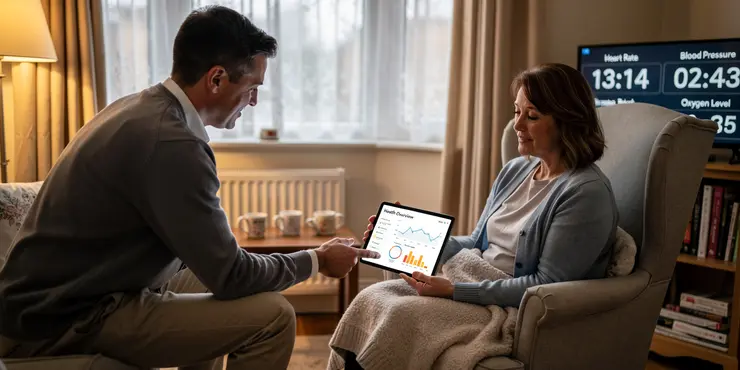
Virtual wards provide healthcare remotely, enabling patients to receive medical attention at home. This model has gained popularity in the UK, especially during and after the COVID-19 pandemic. Virtual wards play a key role in easing pressure on hospitals while providing quality care.
These wards leverage technology to monitor patients and manage various conditions without the need for hospital admission. This approach is not only cost-effective but also enhances patient comfort and outcomes.
Chronic Disease Management
Chronic obstructive pulmonary disease (COPD) is one condition effectively managed on a virtual ward. Patients can receive regular monitoring of lung function and oxygen saturation. Remote support helps in adjusting treatment plans promptly, reducing hospital visits.
Congestive heart failure (CHF) is another condition that benefits from virtual ward care. Patients are monitored for weight, blood pressure, and heart rate changes. This enables quick intervention if any concerning trends are detected, enhancing patient safety.
Post-Surgical Recovery
Patients recovering from surgery can be supported on a virtual ward, ensuring they have a smooth recovery process. Nurses and doctors can monitor recovery progress, pain levels, and potential complications. This reduces the need for prolonged hospital stays while ensuring ongoing care.
Regular follow-up calls and virtual consultations help address concerns promptly. Virtual wards provide a structured recovery pathway, improving patient satisfaction and outcomes.
Mental Health Support
Mental health conditions such as anxiety and depression can be managed through virtual wards. Patients receive regular mental health check-ins and therapy sessions remotely. This approach provides continuous support without the need for frequent in-person appointments.
Virtual wards also facilitate access to support groups and resources, which are crucial for patient progress. This method helps in destigmatizing mental health treatment and encourages more patients to seek help.
COVID-19 Monitoring and Care
Virtual wards have been crucial in managing COVID-19 patients with mild to moderate symptoms at home. Regular monitoring of temperature, oxygen levels, and other vital signs is conducted to ensure patient safety. This reduces the burden on hospitals and allows resources to be allocated to severe cases.
Patients receive guidance on symptom management and when to seek further medical care. Virtual wards have proved invaluable in dealing with the fluctuating demands of the pandemic.
Conclusion
Virtual wards have become an integral part of the UK's healthcare landscape. They offer effective management of various conditions and reduce the need for hospital admissions. This model is adaptable to a wide range of health issues while ensuring patients receive comprehensive care at home.
With advancements in technology, virtual wards will likely expand to include other conditions, enhancing efficiency and patient outcomes. This evolution represents a promising future for healthcare delivery in the UK.
Frequently Asked Questions
A virtual ward is a healthcare service that enables patients to receive care at home while being monitored remotely by healthcare professionals.
Conditions such as respiratory diseases, heart failure, diabetes management, and post-operative care are frequently managed on virtual wards.
Yes, chronic conditions like COPD, heart failure, and diabetes can be effectively monitored on a virtual ward.
Yes, post-surgical patients can be managed on a virtual ward to ensure recovery with continuous monitoring and support.
Yes, COVID-19 patients, especially those with mild symptoms, can be monitored on a virtual ward to reduce hospital admissions.
Respiratory conditions are managed using telemonitoring of vital signs and respiratory functions, ensuring timely interventions.
Yes, conditions like heart failure and arrhythmias are managed with remote monitoring of heart rate and rhythm.
While not common, some virtual wards provide support for mental health conditions through remote counseling and monitoring.
Virtual wards utilize telehealth platforms, wearable devices, remote monitoring tools, and mobile apps to track patient health.
Yes, elderly patients can benefit significantly from virtual wards due to enhanced monitoring and reduced need for hospital visits.
Some acute conditions requiring immediate care may not be suitable for virtual wards, as they need hands-on medical intervention.
Yes, virtual wards facilitate diabetes management through regular monitoring of glucose levels and remote consultations.
Mild infections may be managed on virtual wards, particularly if they do not require immediate intravenous therapies or hospital facilities.
Healthcare professionals provide remote monitoring, follow-up consultations, and interventions as necessary in a virtual ward setting.
Yes, some virtual wards provide prenatal and postnatal care to monitor mothers and infants safely at home.
Medication management is supported through remote consultations to adjust prescriptions and ensure adherence to treatment plans.
Yes, certain virtual wards cater specifically to pediatric patients with conditions like asthma or recovery from minor surgeries.
Virtual wards offer remote physical and occupational therapy support, enabling patients to continue rehabilitation at home.
While long-term support is possible, mental health crises generally require immediate attention beyond what virtual wards typically offer.
Yes, aspects of renal care like home dialysis or chronic kidney disease management can be supported by virtual wards.

Ergsy Search Results
This website offers general information and is not a substitute for professional advice.
Always seek guidance from qualified professionals.
If you have any medical concerns or need urgent help, contact a healthcare professional or emergency services immediately.
Some of this content was generated with AI assistance. We've done our best to keep it accurate, helpful, and human-friendly.
- Ergsy carefully checks the information in the videos we provide here.
- Videos shown by Youtube after a video has completed, have NOT been reviewed by ERGSY.
- To view, click the arrow in centre of video.
- Most of the videos you find here will have subtitles and/or closed captions available.
- You may need to turn these on, and choose your preferred language.
- Go to the video you'd like to watch.
- If closed captions (CC) are available, settings will be visible on the bottom right of the video player.
- To turn on Captions, click settings.
- To turn off Captions, click settings again.