
Speak To An Expert
Get clear, personalised advice for your situation.
Jot down a few questions to make the most of your conversation.
Understanding Sunburn
Sunburn is a common condition experienced by many, especially during the sunnier months. It occurs when the skin is exposed to excessive ultraviolet (UV) radiation from the sun, leading to damage. This damage triggers an inflammatory response, causing the skin to appear red, feel hot to touch, and sometimes result in pain or discomfort. Ensuring the correct aftercare can help mitigate the symptoms and facilitate recovery.
The Body’s Response to Sunburn
When you experience a sunburn, your body launches several biological responses to manage the damage. Initially, the sunburn may cause redness and inflammation. This stage is often followed by the affected skin becoming dry, itchy, and perhaps painful. The body attempts to repair the damage caused by UV exposure, leading to new cell growth.
Is Peeling Normal During Sunburn Recovery?
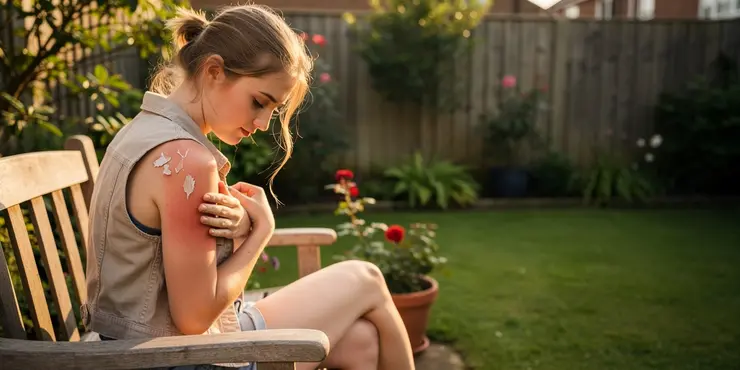
Yes, peeling is a normal part of the sunburn recovery process. It is the body's natural mechanism for shedding damaged skin cells. After the inflammatory phase, the body starts to repair and replace the damaged skin with new cells underneath. The peeling process generally occurs a few days after the initial burn appears and can last for about a week, depending on the severity of the burn and the individual's skin type.
Why Does the Skin Peel?
Peeling occurs because the top layer of skin, which has been damaged beyond repair, is naturally shed to make way for new, healthy skin cells. This removal of dead cells is essential for the healing and regeneration process. The peeling skin may appear flaky or in larger pieces, and it's a sign that your body is effectively responding to the injury.
What Can You Do to Help?
While peeling is a normal part of healing, there are steps you can take to support your skin's recovery. Firstly, avoid picking or pulling at peeling skin, as this can cause infection or further irritation. Moisturising the skin regularly with a soothing lotion such as aloe vera can help. Staying hydrated by drinking plenty of water is crucial, as is protecting the skin from further sun exposure by wearing protective clothing or using sunscreen.
When to Seek Medical Advice
If your sunburn is accompanied by severe blistering, extreme pain, fever, or if you feel unwell, it’s best to seek medical advice. Severe sunburn can lead to complications and might require more intensive treatment. The use of over-the-counter pain relief can be beneficial, but consulting with a healthcare provider is recommended for severe symptoms.
Preventing Sunburn
Prevention is always better than cure. Reducing the risk of sunburn by limiting sun exposure during peak hours, seeking shade, and using a broad-spectrum sunscreen with an appropriate SPF can prevent the damage that leads to peeling. Reapplying sunscreen regularly, especially after swimming or sweating, is also essential to maintain protection.
Understanding Sunburn
Sunburn happens when you stay too long in the sun. Your skin gets too much sunlight. This can hurt your skin. Sunburn makes your skin red and hot. It can also hurt or feel sore. Taking care of your skin can help it get better.
The Body’s Response to Sunburn
When you get sunburned, your body starts to fix the hurt skin. Your skin turns red and may feel sore. Later, your skin might become dry and itchy. Your body is growing new skin cells to fix the damage.
Is Peeling Normal During Sunburn Recovery?
Yes, peeling is normal when you are getting better from a sunburn. Peeling is your body’s way of getting rid of hurt skin cells. After a few days, new skin grows, and the old skin peels off. Peeling can last about a week.
Why Does the Skin Peel?
Your skin peels because the damaged top layer needs to come off. This lets new, healthy skin grow. Peeling skin might look flaky. It's a good sign that your body is healing.
What Can You Do to Help?
To help your skin heal, don’t pick at peeling skin. This can cause infections. Use a gentle lotion like aloe vera to keep your skin soft. Drink lots of water. Protect your skin from more sun by wearing clothes that cover you or putting on sunscreen.
When to Seek Medical Advice
If your sunburn has big blisters, really hurts, gives you a fever, or makes you feel sick, see a doctor. Bad sunburn may need extra care. You can take pain relief medicine, but it’s good to talk to a doctor if you feel very bad.
Preventing Sunburn
It’s better to avoid getting sunburned. Stay out of the sun during the middle of the day. Find shade and use a good sunscreen. Make sure to put on more sunscreen after swimming or sweating to stay protected.
Frequently Asked Questions
Yes, peeling is a normal part of the healing process after a sunburn as the damaged skin begins to shed.
Peeling occurs because the body is shedding damaged skin cells caused by UV exposure, making way for new, healthy skin.
Peeling from a sunburn typically lasts about 3 to 7 days, depending on the severity of the burn.
To aid the peeling process, keep your skin moisturized, avoid picking at the peeling skin, and stay hydrated.
It is not recommended to peel off the skin manually as it can lead to infections and scarring.
While rare, improper care such as picking at the skin can lead to infections or scarring.
Not everyone peels, as it depends on the severity of the sunburn and individual skin types.
While you can't speed it up significantly, keeping the skin moisturized and avoiding further sun exposure helps.
Yes, applying lotion can help soothe the skin and keep it moisturized during the peeling process.
A fragrance-free, hydrating lotion with aloe or soy may help soothe peeling skin.
Avoid exfoliating treatments and harsh soaps, and do not pick or peel the skin yourself.
Taking a lukewarm bath can be soothing, but harsh soaps and prolonged exposure to hot water should be avoided.
Peeling will likely affect an uneven tan, as the damaged layers of skin are being shed.
Peeling itself usually doesn't leave permanent marks, but scratching can lead to scars or dark spots.
Itching is common as part of the healing process, mainly due to increased blood flow and nerve endings in the area.
Yes, aloe vera can soothe the skin and help prevent excessive dryness as your skin peels.
The best prevention is to avoid getting sunburned by using sunscreen and protective clothing.
Repeated sunburns can damage the skin's resilience, potentially making peeling more severe and increasing the risk of long-term skin damage.
Covering the area can protect it from further sun exposure and irritation but ensure that the skin can still breathe.
Yes, peeling indicates that UV exposure has damaged the outer skin layer, prompting the body to shed these cells.
Yes, when your skin gets sunburned, it can peel. This is normal. It happens because the skin is healing and replacing damaged skin.
Peeling happens because the body is getting rid of old skin after being in the sun too long. This makes room for new, healthy skin.
When you get sunburned, your skin might start to peel. This peeling can last for about 3 to 7 days. How long it lasts depends on how bad the sunburn is.
Make it easier when your skin peels:
- Keep your skin soft by using lotion.
- Do not pull or pick at peeling skin.
- Drink lots of water every day.
Don't pick or peel your skin. This can make your skin get hurt or sick.
It does not happen often, but if you pick at your skin, it can cause infections or scars.
Not everyone peels after a sunburn. It depends on how bad the sunburn is and each person’s skin.
You can't make it heal much faster. But you can keep your skin soft with lotion and stay out of the sun. This helps a lot.
Yes, putting on lotion can help your skin feel better and stay soft when it is peeling.
A lotion without any smell and with aloe or soy can help make peeling skin feel better and more comfortable.
Don't use rough soaps or scrub your skin hard. Also, don’t pick or peel your skin. Let it heal by itself.
Taking a warm bath can help you feel calm. But don't use strong soaps and don't stay in hot water for too long.
When your skin peels, it can make a tan look patchy because the top layers of skin come off.
Taking off skin usually does not leave marks forever. But if you scratch, it can make scars or dark spots.
It's normal for a healing wound to be itchy. This happens because more blood goes to the area, and the nerves there can feel more sensitive.
Aloe vera is good for your skin. It can help calm your skin and stop it from getting too dry when it peels.
To avoid getting sunburned, you can do two things: put on sunscreen and wear clothes that cover your skin.
Getting sunburned over and over can hurt your skin. This might make your skin peel more and can cause damage that lasts for a long time.
Things that can help:
- Wear sunscreen to protect your skin.
- Stay in the shade when the sun is strong.
- Wear a hat and long sleeves to cover your skin.
Covering the skin can stop it from getting more sun and help keep it calm. But make sure the skin can still breathe.
Yes, peeling means the sun has hurt the top layer of your skin. This makes your body get rid of these old skin cells.

Ergsy Search Results
This website offers general information and is not a substitute for professional advice.
Always seek guidance from qualified professionals.
If you have any medical concerns or need urgent help, contact a healthcare professional or emergency services immediately.
Some of this content was generated with AI assistance. We've done our best to keep it accurate, helpful, and human-friendly.
- Ergsy carefully checks the information in the videos we provide here.
- Videos shown by Youtube after a video has completed, have NOT been reviewed by ERGSY.
- To view, click the arrow in centre of video.
- Most of the videos you find here will have subtitles and/or closed captions available.
- You may need to turn these on, and choose your preferred language.
- Go to the video you'd like to watch.
- If closed captions (CC) are available, settings will be visible on the bottom right of the video player.
- To turn on Captions, click settings.
- To turn off Captions, click settings again.