
Get Answers
Introduction to Anti-Roll Pillows
Anti-roll pillows, also known as baby positioners, are designed to keep newborns in a specific position while they sleep. These products usually feature side bolsters and are marketed to help prevent a baby from rolling onto their stomach, which many parents worry about due to the risk of Sudden Infant Death Syndrome (SIDS). However, there has been ongoing debate regarding their safety for newborns, especially in the UK.
Potential Benefits
Proponents of anti-roll pillows argue that they can help keep babies in a supine position, which is generally recommended by health professionals as the safest sleeping position for infants. Some parents also find these products helpful in preventing a baby from rolling off their sleeping surface. Additionally, in some cases, anti-roll pillows are believed to aid with conditions such as flat-head syndrome by providing consistent and gentle support to the baby's head.
Safety Concerns
Despite potential benefits, there are significant safety concerns associated with using anti-roll pillows for newborns. In the UK, health organisations like the National Health Service (NHS) and the Lullaby Trust advise against their use. The primary concern is the risk of suffocation. These products can obstruct an infant’s airway if they roll and become wedged against the pillow or bolster. Moreover, loose items in a baby's sleeping environment are generally discouraged.
In addition to suffocation risks, there is concern that anti-roll pillows may lead to a false sense of security among parents, potentially leading them to overlook other crucial safe sleep practices, such as ensuring the baby’s sleep surface is firm and free of loose bedding and toys.
Recommendations
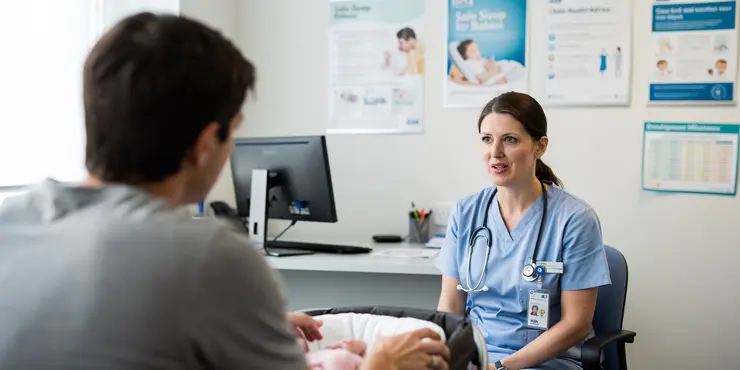
For UK parents considering the use of anti-roll pillows, the most crucial step is consulting with healthcare professionals. Organisations like the NHS and the Lullaby Trust recommend placing babies on their backs in a clear, flat, and firm sleep space, such as a Moses basket or cot, without any loose items like positioners, pillows, duvets, or toys. Using a flat sheet or blanket tucked in at the sides is advised if additional warmth is needed.
Conclusion
Considering the available information, the safety of anti-roll pillows for newborns remains a concern. Parents in the UK are encouraged to adhere to evidence-based safe sleeping guidelines and seek advice from healthcare providers. Prioritising these practices over reliance on products like anti-roll pillows can help ensure safer sleep environments for babies and peace of mind for parents.
What Are Anti-Roll Pillows?
Anti-roll pillows, also called baby positioners, help keep babies in one spot when sleeping. These pillows have sides to stop babies from rolling over. Parents buy them because they worry about babies rolling onto their stomachs, which can be dangerous and might lead to Sudden Infant Death Syndrome (SIDS). But, in the UK, people talk a lot about whether these pillows are safe for newborns.
Why Some People Like Them
Some people think anti-roll pillows help babies sleep on their backs, which doctors say is the safest way. Parents might also use them to stop babies from falling off the bed. Some say these pillows can help with a problem called flat-head syndrome by keeping the baby's head supported.
Safety Worries
Even though there might be good things about anti-roll pillows, there are big worries too. In the UK, health groups like the NHS and the Lullaby Trust say not to use them. The main worry is that babies might suffocate if they get stuck against the pillow. It's also dangerous to have loose things where a baby sleeps.
Another worry is that parents might think the pillows make sleep safe, but they might forget other important rules like making sure the baby sleeps on a firm surface with no loose items like toys or blankets.
What to Do
If you're a UK parent thinking about using anti-roll pillows, talk to a doctor first. Groups like the NHS and the Lullaby Trust say babies should sleep on their backs in a clear, firm space like a cot. Don't use loose items like pillows, duvets, or toys. If the baby needs to be warmer, use a sheet or blanket tucked in at the sides.
Final Thoughts
With what we know, it seems using anti-roll pillows can be risky. UK parents should follow safe sleep rules and ask doctors for advice. It's important to have safe sleep habits instead of relying on products like anti-roll pillows. This will help keep babies safe and make parents feel better.
Frequently Asked Questions
Anti-roll pillows are designed to keep newborns in a specific position during sleep, often used to prevent them from rolling over.
Anti-roll pillows are generally not recommended for newborns because they can pose a suffocation risk and interfere with safe sleeping practices.
Pediatricians typically advise against using anti-roll pillows due to the risk of suffocation and sudden infant death syndrome (SIDS).
There are currently no specific safety standards for anti-roll pillows, and they are not recommended by health authorities for infant sleep.
The safest sleeping position for newborns is on their back, on a firm mattress, without any pillows or soft bedding.
No, there is no evidence that anti-roll pillows can prevent sudden infant death syndrome (SIDS). They can actually increase the risk.
Alternatives to anti-roll pillows include supervised tummy time during the day and following safe sleep guidelines like using a firm mattress and sleeping on the back.
Yes, the FDA has issued warnings against the use of sleep positioners, including anti-roll pillows, due to suffocation and safety concerns.
Using wearable blankets or sleep sacks can keep a baby warm without using loose bedding.
There is no scientific evidence that anti-roll pillows promote better sleep and they are not considered safe.
Risks include suffocation, entrapment, and increasing the likelihood of SIDS by hindering airways.
Anti-roll pillows should not be used for preemies due to their increased vulnerability and higher risk associated with SIDS and suffocation.
No, major health organizations like the American Academy of Pediatrics recommend against their use for infants.
A newborn's crib should have a firm mattress, a fitted sheet, and no other bedding or toys.
There is no evidence that anti-roll pillows effectively prevent or treat flat head syndrome; supervised tummy time is recommended instead.
Best practices include placing the baby on their back on a firm mattress, keeping the crib clear of soft items, and room-sharing without bed-sharing.
Various anti-roll pillows and sleep positioners have been subject to recalls due to safety risk reports.
Parents should discontinue use immediately and follow updated safe sleep guidelines.
Ensuring a comfortable sleep environment with appropriate room temperature and a well-fitted sleep sack can help.
If your baby can roll over independently, continue to put them to sleep on their back, but let them find their own comfortable position.
Anti-roll pillows help keep babies in one position when they sleep. They stop babies from rolling over.
It is usually not safe to use anti-roll pillows with new babies. These pillows can make it hard for babies to breathe and sleep safely.
Doctors who help children usually say not to use anti-roll pillows. This is because they can be dangerous and cause problems with breathing or even worse, like SIDS.
Right now, there are no special rules to make anti-roll pillows safe. Health experts say you shouldn't use them when babies are sleeping.
For newborn babies, the safest way to sleep is lying on their back. The mattress should be firm, and there should be no pillows or soft blankets.
No, there is no proof that anti-roll pillows stop sudden infant death syndrome (SIDS).
They might even make it more dangerous.
If you have questions, talk to your doctor or a trusted adult.
Instead of using anti-roll pillows, you can try other things:
- Let your baby have tummy time during the day while you watch them.
- Make sure your baby sleeps safely. Use a firm mattress.
- Always put your baby to sleep on their back.
Yes, the FDA says not to use sleep positioners, like pillows that stop you rolling, because they can be dangerous and you might not be able to breathe.
Wearable blankets or sleep sacks are like clothes for bedtime. They help keep a baby warm and safe without using loose blankets. These are easy and safe to use. Try using these to keep your baby cozy at night.
We do not have any proof that special anti-roll pillows help people sleep better. They are also not safe to use.
Dangers include problems with breathing, getting stuck, and making it more likely for babies to have sleep problems.
Do not use anti-roll pillows for babies born early. These babies are more at risk for a sleep problem called SIDS. They can also stop breathing if they have pillows.
No, big health groups like the American Academy of Pediatrics say that babies should not use these.
A baby's crib needs a hard mattress and a sheet that fits. Do not put any other blankets or toys in the crib.
We don't know if special pillows help stop or fix flat head syndrome. It's better to try tummy time instead. Make sure someone is watching.
Here are some tips to help:
- Let your baby have some tummy time each day.
- Always stay close by to keep your baby safe.
- It helps make your baby's neck and shoulder muscles strong.
Here are some helpful tips to keep your baby safe when they sleep:
1. Lay the baby down on their back to sleep.
2. Use a firm mattress in the crib.
3. Keep the crib empty of soft toys and blankets.
4. Have the baby sleep in the same room as you, but not in your bed.
Tools like a nightlight or a soft music player can help calm your baby at bedtime.
Some special pillows and sleep positioners have been taken back by companies because they might not be safe.
Parents should stop using this right away. Follow the new rules for safe sleep.
Making sure your room is comfy for sleeping and using a sleeping bag that fits well can help you sleep better.
If your baby can turn over by themselves, keep putting them to sleep on their back. Let them move to a comfy position they like.

Ergsy Search Results
This website offers general information and is not a substitute for professional advice.
Always seek guidance from qualified professionals.
If you have any medical concerns or need urgent help, contact a healthcare professional or emergency services immediately.
Some of this content was generated with AI assistance. We've done our best to keep it accurate, helpful, and human-friendly.
- Ergsy carefully checks the information in the videos we provide here.
- Videos shown by Youtube after a video has completed, have NOT been reviewed by ERGSY.
- To view, click the arrow in centre of video.
- Most of the videos you find here will have subtitles and/or closed captions available.
- You may need to turn these on, and choose your preferred language.
- Go to the video you'd like to watch.
- If closed captions (CC) are available, settings will be visible on the bottom right of the video player.
- To turn on Captions, click settings.
- To turn off Captions, click settings again.