
Find Help
More Items From Ergsy search
-
Can baby sleep pillows prevent flat head syndrome?
Relevance: 100%
-
Are baby sleep pillows safe?
Relevance: 76%
-
What are the risks associated with baby sleep pillows?
Relevance: 73%
-
Are there any benefits to using baby sleep pillows?
Relevance: 72%
-
Why are baby sleep pillows not safe for infants?
Relevance: 68%
-
What do pediatricians recommend about baby sleep pillows?
Relevance: 66%
-
What should I do if my baby has a preference for sleeping with a pillow?
Relevance: 66%
-
What alternatives to baby sleep pillows are considered safe?
Relevance: 64%
-
At what age is it safe for a baby to use a pillow?
Relevance: 60%
-
Can baby sleep pillows help with reflux issues?
Relevance: 59%
-
Are there any regulations on the sale of baby sleep pillows?
Relevance: 58%
-
Do crib wedges pose the same risks as baby sleep pillows?
Relevance: 58%
-
Are anti-roll pillows safe for newborns?
Relevance: 53%
-
Is it okay to use a baby sleep positioner?
Relevance: 52%
-
Safe sleeping and reducing the risk of Sudden Infant Death Syndrome (SIDS)
Relevance: 42%
-
Are travel pillows for infants safe?
Relevance: 40%
-
How can I help my baby sleep comfortably without a pillow?
Relevance: 40%
-
What steps can I take to ensure my baby's safety while sleeping?
Relevance: 39%
-
What is the recommendation of the American Academy of Pediatrics regarding baby pillows?
Relevance: 35%
-
What should I do if I have been using a baby pillow and learned it might be unsafe?
Relevance: 32%
-
What is complex sleep apnea syndrome?
Relevance: 30%
-
What is complex sleep apnea syndrome?
Relevance: 30%
-
What is the safest sleep environment for an infant?
Relevance: 29%
-
What it's like to have a baby with Edwards' syndrome - My Story - Chloe and Penelope | NHS
Relevance: 29%
-
What are head lice?
Relevance: 25%
-
Postpartum Health: Mother and Baby
Relevance: 23%
-
Jaundice in babies
Relevance: 23%
-
Is chronic fatigue syndrome contagious?
Relevance: 21%
-
Screening tests for you and your baby | NHS
Relevance: 21%
-
What is sleep apnoea?
Relevance: 21%
-
Down's syndrome: Emily's story | NHS
Relevance: 21%
-
What is sleep apnea?
Relevance: 20%
-
How is postnatal depression different from the 'baby blues'?
Relevance: 20%
-
What is chronic fatigue syndrome?
Relevance: 20%
-
Having a child with Edwards' syndrome (trisomy 18) | NHS
Relevance: 19%
-
What lifestyle changes can help manage sleep apnea?
Relevance: 19%
-
Head and Neck Cancer Diagnosis
Relevance: 19%
-
What causes Carpal Tunnel Syndrome?
Relevance: 19%
-
Positioning for Breathless Patient
Relevance: 18%
-
How common is sleep apnea?
Relevance: 18%
Understanding Flat Head Syndrome
Flat head syndrome, medically known as positional plagiocephaly, is a condition where a baby's head develops a flat spot. This can occur when babies consistently sleep with their heads in the same position. The disorder became more prevalent after the "Back to Sleep" campaign, which started in the mid-1990s, encouraging parents to lay their babies on their backs to reduce the risk of sudden infant death syndrome (SIDS).
Causes and Concerns
Babies have soft and malleable skulls which make them particularly susceptible to developing flat spots. Prolonged pressure on one part of the head can result in flattening. While it is primarily a cosmetic issue and usually corrects itself over time, it can cause concern among parents. In severe cases, intervention might be necessary to correct the shape of the head.
The Role of Baby Sleep Pillows
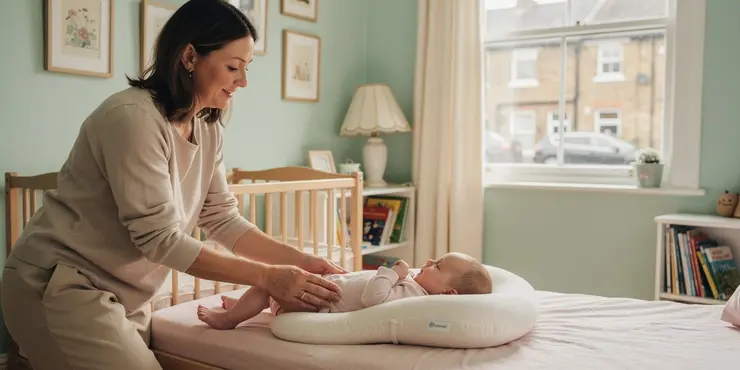
Baby sleep pillows have been marketed as a potential solution to prevent or manage flat head syndrome. These pillows are designed to distribute pressure evenly around the baby's head, thereby reducing the risk of developing a flat spot. Some pillows feature a gentle cut-out or contour to cradle the baby's head, allowing for movement and relieving pressure from one area.
Effectiveness and Safety Concerns
There is limited scientific evidence supporting the effectiveness of these pillows in preventing flat head syndrome. Health professionals usually emphasize repositioning the baby frequently during sleep as a natural and effective preventive measure. Importantly, the use of sleep pillows raises safety concerns regarding SIDS, as they can pose a suffocation risk. The NHS and other health bodies generally advise against using pillows for children under the age of one.
Alternative Preventive Measures
Healthcare professionals recommend several strategies other than pillows to help prevent flat head syndrome. These include ensuring your baby has plenty of supervised tummy time while awake, alternating the direction of your baby’s head each time they are put to sleep, and occasionally changing their position in the crib so they look in different directions.
Concluding Thoughts
While baby sleep pillows could theoretically help in redistributing pressure and preventing flat spots, their safety risks cannot be ignored. In the UK, where official guidelines emphasize the importance of reducing SIDS risk, parents are encouraged to focus on safe sleep practices and natural positioning strategies. Consulting with a healthcare provider for personalized advice is always recommended.
Understanding Flat Head Syndrome
Flat head syndrome happens when a baby's head gets a flat spot. This can happen if a baby sleeps with their head in the same position all the time. In the 1990s, a campaign called "Back to Sleep" started. It told parents to put babies on their backs to sleep. This helps protect babies from sudden infant death syndrome (SIDS).
Causes and Concerns
Babies have soft heads that can change shape easily. If a baby’s head is under pressure in the same spot for too long, it can get flat. It usually gets better on its own, but parents might worry. In some cases, doctors might need to help fix it.
The Role of Baby Sleep Pillows
Some companies make special pillows to help with flat head syndrome. These pillows spread out the weight on a baby's head. They have a special shape to hold the baby’s head gently and let it move a bit.
Effectiveness and Safety Concerns
There isn’t much proof that these pillows stop flat head syndrome. Doctors often say to move the baby’s head a lot during sleep instead. Pillows can be dangerous and cause suffocation, increasing the risk of SIDS. Health experts, like the NHS, say not to use pillows for babies under one year old.
Alternative Preventive Measures
There are safe ways to prevent flat head syndrome. Give your baby tummy time when they are awake. This means letting them lie on their tummy while you watch. Change the direction of your baby's head when they sleep. Move your baby's crib around so they look in different directions.
Concluding Thoughts
Special pillows might help with flat spots, but safety is more important. In the UK, the rules focus on stopping SIDS. Parents should use safe sleep practices and natural ways to change the baby's head position. Always talk to a healthcare provider for advice specific to your baby.
Frequently Asked Questions
What is flat head syndrome in babies?
Flat head syndrome, or positional plagiocephaly, is a condition where a baby's head develops a flat spot due to prolonged pressure on one part of the skull.
How does flat head syndrome occur?
It commonly occurs when infants spend a lot of time lying on their backs or in the same position, leading to a flattening of the skull.
Can using a baby sleep pillow prevent flat head syndrome?
Some baby sleep pillows are designed to distribute pressure evenly, but their effectiveness in preventing flat head syndrome varies and they are not universally recommended by health professionals.
Are baby sleep pillows safe for infants?
The American Academy of Pediatrics advises against using pillows in cribs due to the risk of suffocation and Sudden Infant Death Syndrome (SIDS).
What are alternative methods to prevent flat head syndrome?
Alternatives include repositioning your baby regularly, encouraging tummy time during waking hours, and holding your baby in different positions.
Is tummy time beneficial for preventing flat head syndrome?
Yes, tummy time helps strengthen neck muscles and reduces time spent lying flat on the back, which can prevent flat spots.
Can flat head syndrome correct itself over time?
In many cases, as a baby grows and starts moving independently, flat spots often improve naturally.
When should I consult a doctor about flat head syndrome?
If you notice persistent flat spots on your baby's head or if you're concerned, it's advisable to speak to a pediatrician.
Are there any medical treatments for flat head syndrome?
Severe cases might require physical therapy or a specially fitted helmet to help shape the baby's skull.
What are the risks associated with using baby sleep pillows?
Risks include suffocation, overheating, and increased SIDS risk, as babies should sleep on a firm, flat surface.
Do all babies develop flat head syndrome?
Not all babies develop it. Some are more prone due to factors like premature birth, limited movement, or consistent back sleeping.
What is the best sleep position to prevent flat head syndrome?
The recommended position is on the back, but frequently changing the baby's head position or sleeping orientation can help.
Why are pillows not recommended for babies under one year?
Pillows can pose a suffocation risk and increase the chance of SIDS, which is why it's recommended to keep the crib free of soft bedding.
How long does it take for a baby's head to shape normally?
It may take several months for a baby’s head shape to return to normal, usually improving as they gain mobility.
Is flat head syndrome painful for babies?
Flat head syndrome is typically not painful or harmful to brain development.
What role do car seats play in flat head syndrome?
Extended time in car seats can contribute to flat head syndrome due to restricted movement and prolonged pressure on the back of the head.
Can genetics play a role in flat head syndrome?
While positioning is the main cause, some genetic conditions that affect muscle tone might predispose a baby to develop flat spots.
What age is most crucial for preventing flat head syndrome?
The first few months (up to 6 months) are most crucial as infants spend a lot of time lying down, and their skulls are more malleable.
Would special mattresses help in preventing flat head syndrome?
Some mattresses claim to distribute pressure more evenly; however, their efficacy is varied and not widely endorsed by pediatricians.
Can breastfeeding positions influence flat head syndrome?
Varying the baby's position during breastfeeding can help prevent prolonged pressure on the same spot, potentially reducing the risk.
What is flat head syndrome in babies?
Flat head syndrome is when a baby’s head gets a flat spot.
This can happen if a baby lies in the same position for a long time.
To help, you can change the baby's position often. Give them time on their tummy too.
Try using soft pillows for support as well.
Flat head syndrome means a baby's head gets a flat spot. This happens when the baby lies on the same part of their head for too long.
What causes flat head syndrome?
This often happens when babies lie on their backs or in the same position for a long time. Their heads can get flat.
Can a baby pillow stop flat head?
Some pillows for babies help spread out pressure so the baby's head doesn't get flat. But different doctors have different thoughts about how well these pillows work. They do not all agree that they are the best for babies.
Are baby sleep pillows safe for babies?
Let’s talk about baby pillows. Are they good or bad for babies?
Babies need to sleep safely. Let's learn how to keep them safe.
1. No Pillow for Babies: Little babies should sleep without a pillow. This is safer for them.
2. Just a Flat Bed: A flat bed or crib is best. No pillows or toys.
3. Ask a Grown-Up: If you have questions, ask mom, dad, or your caregiver.
4. Use Safe Tools: You can use apps or books to learn more about baby safety.
5. Stay Informed: Caregivers can take classes or read guides for more tips on baby safety.
The American Academy of Pediatrics says not to put pillows in cribs. They say this because pillows can make it hard for babies to breathe. Pillows can also lead to Sudden Infant Death Syndrome, which means a baby might stop breathing while sleeping.
You can use some tools or techniques to help keep your baby safe. Try using a firm mattress with a fitted sheet. Make sure there are no toys, blankets, or pillows in the crib. Always lay your baby on their back to sleep.
What are other ways to stop flat head syndrome?
Flat head syndrome is when a baby's head is a little flat. Here are some easy ways to help prevent it:
- Give your baby tummy time: Let your baby lie on their tummy for a few minutes every day. It helps make their neck and head strong.
- Switch sides when feeding: When you feed your baby, sometimes hold them on the right, and other times on the left.
- Move toys around: Put toys on different sides so your baby turns their head in different directions.
- Carry your baby: Hold your baby in your arms sometimes instead of using a car seat or stroller all the time.
You can ask your doctor for more help if you are worried. They have good tips. You might also use a special baby pillow that can help keep the baby's head round.
To help your baby, try these things:
- Move your baby to different positions often.
- Let your baby have tummy time when they are awake.
- Hold your baby in different ways.
Does tummy time help stop flat head syndrome?
Letting your baby spend time on their tummy can help prevent flat head syndrome.
Put your baby on their belly for short times during the day when they are awake.
This can help make their head nice and round.
Remember to always watch your baby while they are on their tummy.
Use toys or a mirror to keep your baby happy while on their tummy.
Yes, tummy time makes baby’s neck stronger. It also helps stop flat spots on baby’s head because they are not lying on their back all the time.
Can a baby’s flat head get better on its own?
As babies grow and start to move on their own, flat spots on their heads usually get better by themselves.
When should I see a doctor about flat head?
If your baby’s head looks flat, you should talk to a doctor. Here is when to go:
- Your baby’s head does not get better after a few weeks.
- Your baby is older than 6 months and has a flat head.
- There is a flat spot or your baby’s head looks uneven.
- You are worried about your baby’s head shape.
What you can do:
- Look at your baby’s head shape. Does it change if you change how your baby sleeps?
- Talk to a doctor or nurse. They can help you know what to do.
- Use a mirror to show your baby’s head from all sides.
If you need more help, you can:
- Ask a friend or family member to help you remember what the doctor says.
- Write down questions to ask the doctor.
- Bring a notebook to write down what the doctor says.
If you see flat spots on your baby's head that don't go away, or if you are worried, it's a good idea to talk to a children's doctor.
Can doctors help with flat head?
Flat head syndrome means a baby's head is not round, but a bit flat. Doctors can help fix this.
- They might suggest special helmets. These can help make the head round.
- They can also show parents exercises to do with the baby.
If you have questions, ask your doctor. It's important to get help early.
If the problem is very serious, the baby might need to see a special doctor who helps with movements. Sometimes, a special helmet is used to help make the baby's head rounder.
What are the dangers of using baby sleep pillows?
Using sleep pillows for babies can be dangerous. Babies can get stuck in the pillows and have trouble breathing. Sleep pillows might cause choking. Babies could roll over on the pillow and not be able to move. It is safest for babies to sleep on a flat surface without pillows.
Ask a doctor for advice if you are not sure. You can also look for guides and videos online about safe sleep for babies. These can help you understand what is safe and what is not.
Babies can get hurt if they can't breathe, get too hot, or if there is a bigger chance of SIDS (Sudden Infant Death Syndrome). Babies need to sleep on a firm and flat surface.
Do all babies get flat head syndrome?
Not all babies get this. Some babies are more likely to because of things like being born early, not moving much, or always sleeping on their back.
How should a baby sleep to stop getting a flat head?
It is best for the baby to sleep on their back. You should also move the baby's head or sleeping direction sometimes.
Why can't babies under one year use pillows?
Pillows are not safe for babies under one year old. Babies can sleep better on a flat surface. A pillow can make it hard for a baby to breathe. This can be dangerous.
Tip: It is good to talk to a doctor if you have questions. Try using a firm mattress for the baby to sleep on.
Pillows can be dangerous because they might stop a baby from breathing. This can make something called SIDS happen. That's why people say not to put soft things in a baby's crib.
When will a baby's head look round?
A baby's head shape will get better over time. It might take a few months. As the baby moves more, their head shape will usually get back to normal.
Does a flat head hurt babies?
Flat head syndrome does not usually hurt babies. It happens when a baby's head is flat on one side. But if you're worried, it's a good idea to talk to a doctor.
Things that can help:
- Give your baby some tummy time when they are awake. This helps their head get rounder.
- Change the direction they sleep in their crib.
- Hold your baby more often.
- Use supportive pillows or cushions when holding or feeding your baby.
Flat head syndrome does not usually hurt and it does not stop the brain from growing properly.
How do car seats affect flat head syndrome?
Car seats can sometimes change the shape of a baby's head. This is called flat head syndrome. When babies rest their heads in the same spot for a long time, it can make a flat area.
To help stop flat head syndrome, try these tips:
- Give your baby tummy time when they are awake and you are watching them. This means letting them play on their tummy on a soft mat.
- Change the way your baby lies in the crib or car seat. This can help different parts of their head rest on the surface.
- Limit how much time your baby spends in car seats, swings, and bouncers.
If you are worried about your baby's head shape, talk to a doctor or nurse. They can give you more advice and help.
Being in a car seat for a long time can make a baby's head flat. This happens because the baby can't move their head much, and the back of their head gets pressed for a long time.
Can genes cause a flat head?
Babies can get flat spots on their heads if they lay in the same position a lot. Sometimes, things in their genes can also cause this. These things can make their muscles work differently.
When is the most important age to stop flat head?
The first few months are very important for babies. This is because new babies spend a lot of time lying down. Their heads are still soft and can change shape easily.
Do special mattresses stop flat head syndrome?
Some beds say they spread out pressure on your body. But they don't always work the same way, and not all children's doctors agree they are best.
Can the way a baby is fed change the shape of their head?
When you breastfeed, try to hold your baby in different ways. This can stop too much pressure on one spot. It might help keep your baby safe and comfortable.

Useful Links
- Ergsy carfully checks the information in the videos we provide here.
- Videos shown by Youtube after a video has completed, have NOT been reviewed by ERGSY.
- To view, click the arrow in centre of video.
- Most of the videos you find here will have subtitles and/or closed captions available.
- You may need to turn these on, and choose your preferred language.
- Go to the video you'd like to watch.
- If closed captions (CC) are available, settings will be visible on the bottom right of the video player.
- To turn on Captions, click settings .
- To turn off Captions, click settings again.
More Items From Ergsy search
-
Can baby sleep pillows prevent flat head syndrome?
Relevance: 100%
-
Are baby sleep pillows safe?
Relevance: 76%
-
What are the risks associated with baby sleep pillows?
Relevance: 73%
-
Are there any benefits to using baby sleep pillows?
Relevance: 72%
-
Why are baby sleep pillows not safe for infants?
Relevance: 68%
-
What do pediatricians recommend about baby sleep pillows?
Relevance: 66%
-
What should I do if my baby has a preference for sleeping with a pillow?
Relevance: 66%
-
What alternatives to baby sleep pillows are considered safe?
Relevance: 64%
-
At what age is it safe for a baby to use a pillow?
Relevance: 60%
-
Can baby sleep pillows help with reflux issues?
Relevance: 59%
-
Are there any regulations on the sale of baby sleep pillows?
Relevance: 58%
-
Do crib wedges pose the same risks as baby sleep pillows?
Relevance: 58%
-
Are anti-roll pillows safe for newborns?
Relevance: 53%
-
Is it okay to use a baby sleep positioner?
Relevance: 52%
-
Safe sleeping and reducing the risk of Sudden Infant Death Syndrome (SIDS)
Relevance: 42%
-
Are travel pillows for infants safe?
Relevance: 40%
-
How can I help my baby sleep comfortably without a pillow?
Relevance: 40%
-
What steps can I take to ensure my baby's safety while sleeping?
Relevance: 39%
-
What is the recommendation of the American Academy of Pediatrics regarding baby pillows?
Relevance: 35%
-
What should I do if I have been using a baby pillow and learned it might be unsafe?
Relevance: 32%
-
What is complex sleep apnea syndrome?
Relevance: 30%
-
What is complex sleep apnea syndrome?
Relevance: 30%
-
What is the safest sleep environment for an infant?
Relevance: 29%
-
What it's like to have a baby with Edwards' syndrome - My Story - Chloe and Penelope | NHS
Relevance: 29%
-
What are head lice?
Relevance: 25%
-
Postpartum Health: Mother and Baby
Relevance: 23%
-
Jaundice in babies
Relevance: 23%
-
Is chronic fatigue syndrome contagious?
Relevance: 21%
-
Screening tests for you and your baby | NHS
Relevance: 21%
-
What is sleep apnoea?
Relevance: 21%
-
Down's syndrome: Emily's story | NHS
Relevance: 21%
-
What is sleep apnea?
Relevance: 20%
-
How is postnatal depression different from the 'baby blues'?
Relevance: 20%
-
What is chronic fatigue syndrome?
Relevance: 20%
-
Having a child with Edwards' syndrome (trisomy 18) | NHS
Relevance: 19%
-
What lifestyle changes can help manage sleep apnea?
Relevance: 19%
-
Head and Neck Cancer Diagnosis
Relevance: 19%
-
What causes Carpal Tunnel Syndrome?
Relevance: 19%
-
Positioning for Breathless Patient
Relevance: 18%
-
How common is sleep apnea?
Relevance: 18%


