
Get Answers
Understanding Sickle Cell Disease Diagnosis
Sickle cell disease is a genetic blood disorder that predominantly affects people of African, Caribbean, Middle Eastern, Eastern Mediterranean, and Asian descent. Accurate and early diagnosis is crucial for effective management and improving the quality of life for those affected. In the UK, there are well-established procedures for diagnosing sickle cell disease, involving a combination of screening and diagnostic tests.
Newborn Screening
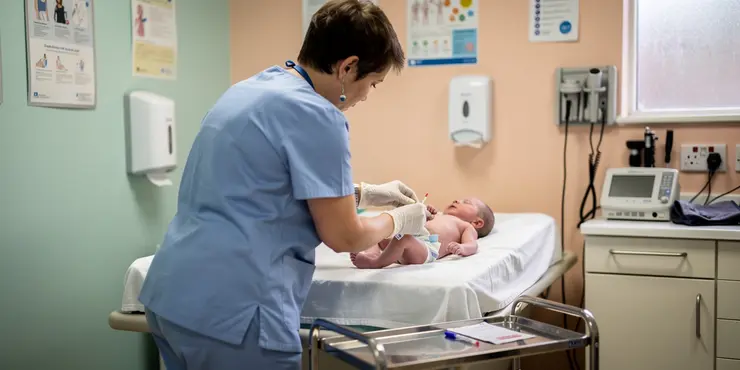
In the UK, neonatal screening for sickle cell disease is part of the NHS Newborn Blood Spot Screening Programme, commonly known as the heel-prick test. This test is offered to all newborns and performed within the first few days after birth. A few drops of blood are taken from the baby's heel and tested for various genetic conditions, including sickle cell disease. This early detection allows for prompt intervention and management of the disease from infancy.
Blood Tests
For individuals not diagnosed at birth or those who move to the UK from regions where screening might not have been conducted, blood tests are essential for diagnosis. The most common test used is the hemoglobin electrophoresis. This test identifies the type of hemoglobin in the blood by measuring the different forms of hemoglobin present. Individuals with sickle cell disease have an abnormal form of hemoglobin called hemoglobin S.
Genetic Testing
Genetic testing is sometimes used to confirm a diagnosis of sickile cell disease, particularly in cases where the diagnosis is unclear or if there's a family history of the disease. This involves analyzing a sample of DNA, usually from a blood sample, to check for mutations in the HBB gene, which is responsible for producing hemoglobin. A mutation in this gene can indicate sickle cell disease.
Prenatal Diagnosis
For couples at risk of having a child with sickle cell disease, prenatal diagnosis is available. Tests such as chorionic villus sampling (CVS) and amniocentesis can determine whether the fetus has sickle cell disease. These tests involve taking samples from the placenta or amniotic fluid, respectively, to analyze the fetal DNA. Prenatal testing helps prospective parents make informed decisions and prepare for the management of sickle cell disease should their child be affected.
Consultation with a Specialist
If sickle cell disease is suspected, a referral to a hematologist or a specialist in genetics is often necessary. These specialists provide a comprehensive evaluation, confirmatory testing, and detailed counseling for individuals and families affected by or at risk of sickle cell disease. They also guide ongoing management and monitoring of the condition.
Conclusion
Timely diagnosis of sickle cell disease in the UK is facilitated through newborn screening programs, blood tests, genetic testing, and prenatal diagnostic options. These measures ensure prompt intervention, reducing complications and improving outcomes for those living with the disorder.
Understanding Sickle Cell Disease Diagnosis
Sickle cell disease is a problem with the blood. It mostly affects people whose families come from Africa, the Caribbean, the Middle East, Eastern Mediterranean, and Asia. It is important to find out if someone has sickle cell disease early, so we can help them feel better. In the UK, there are good ways to find out if someone has sickle cell disease. This includes special tests to check the blood.
Newborn Screening
In the UK, every newborn baby gets a test to check for sickle cell disease. This is part of a health program called the NHS Newborn Blood Spot Screening Programme, or the heel-prick test. The test is done soon after a baby is born. A nurse takes a little bit of blood from the baby's heel. The blood is tested for sickle cell disease and other problems. Finding out early helps the doctors take care of the baby right away.
Blood Tests
If someone was not checked when they were a baby, or if they move to the UK from another country, blood tests help find sickle cell disease. The main test is called hemoglobin electrophoresis. This test looks for the type of hemoglobin in the blood. People with sickle cell disease have a different kind of hemoglobin called hemoglobin S.
Genetic Testing
Sometimes, if doctors are not sure if someone has sickle cell disease, they use genetic testing. This is especially true if the person has family members with the disease. The test looks at the person's DNA from a blood sample. It looks for changes in the HBB gene, which helps make hemoglobin. If there is a change, it can mean the person has sickle cell disease.
Prenatal Diagnosis
If a mom and dad might have a baby with sickle cell disease, they can have tests before the baby is born. Tests like chorionic villus sampling (CVS) and amniocentesis check the baby’s DNA. They use samples from the placenta or the fluid around the baby. These tests can help parents get ready if their baby will have sickle cell disease.
Consultation with a Specialist
If doctors think someone might have sickle cell disease, they will send them to see a special doctor. This doctor is called a hematologist or a genetics specialist. These doctors know a lot about sickle cell disease and can give the right tests and advice. They also help families understand and manage the disease.
Conclusion
Finding out if someone has sickle cell disease early is very important in the UK. Tests at birth, blood tests, genetic tests, and tests before a baby is born all help find the disease. These tests help doctors start helping right away, which means people with sickle cell disease can live better lives.
Frequently Asked Questions
Sickle cell disease is a group of inherited red blood cell disorders characterized by abnormal hemoglobin, which causes red blood cells to become rigid and crescent-shaped.
Sickle cell disease is diagnosed through a blood test called a hemoglobin electrophoresis, which identifies the presence of sickle hemoglobin.
Sickle cell disease can be diagnosed at birth through newborn screening programs.
In many countries, including the United States, newborn screening for sickle cell disease is part of the standard panel of tests.
Besides hemoglobin electrophoresis, DNA testing and high-performance liquid chromatography (HPLC) are also used for confirmation.
Yes, prenatal testing such as amniocentesis or chorionic villus sampling can diagnose sickle cell disease before birth.
A hemoglobin electrophoresis test separates and identifies different types of hemoglobin in the blood, revealing abnormal forms like sickle hemoglobin.
Yes, genetic counseling is often recommended for families affected by sickle cell disease to understand inheritance patterns and assess risks.
Yes, a simple blood test can detect sickle cell disease in adults, even if they were not diagnosed as children.
Common symptoms that may prompt testing include anemia, pain episodes, swelling in the hands and feet, and frequent infections.
Sickle cell disease means an individual has two copies of the sickle cell gene, while sickle cell trait means they have one normal gene and one sickle gene, usually without symptoms.
Hemoglobin electrophoresis and other confirmatory tests are highly accurate in diagnosing sickle cell disease.
While some symptoms may overlap with other conditions, specific tests can accurately diagnose sickle cell disease.
Yes, a child must inherit one sickle cell gene from each parent to have sickle cell disease.
Follow-up tests may include complete blood count (CBC), reticulocyte count, and liver and kidney function tests to monitor health.
Yes, a family history of sickle cell disease or sickle cell trait can be important for assessing risk and guiding testing.
Results from a sickle cell test, such as hemoglobin electrophoresis, can typically be available within a few days to a week.
Sickle cell disease is more prevalent in people of African, Mediterranean, Middle Eastern, and Indian ancestry.
Sickle cell disease is a genetic condition and is not influenced by lifestyle factors.
Yes, early diagnosis and treatment can help manage symptoms and improve quality of life for those with sickle cell disease.
Sickle cell disease is a sickness you get from your parents. It makes your red blood cells look different. Instead of being round, they are bent and stiff, like a banana.
Doctors use a special blood test to find out if someone has sickle cell disease. This test looks for sickle hemoglobin in the blood.
Doctors can find out if a baby has sickle cell disease right after they are born. They do a special test on newborn babies to check for this.
In lots of countries, like the United States, when a baby is born, doctors do some tests. One of these tests checks for sickle cell disease. This is a normal test for babies.
Doctors use a few ways to check your blood. They use a test called hemoglobin electrophoresis. They also use DNA tests and a special tool called HPLC. These help them make sure of the results.
Yes, doctors can check if a baby will have sickle cell disease before the baby is born. They use special tests like amniocentesis or chorionic villus sampling to find this out.
A hemoglobin electrophoresis test looks at the types of hemoglobin in your blood. It can find unusual kinds, like sickle hemoglobin.
Yes, it is a good idea for families with sickle cell disease to talk to a genetic counselor. They can help you understand how the disease is passed down in families and what the risks are.
Yes, a simple blood test can show if an adult has sickle cell disease, even if they didn't find out when they were a child.
Here are some signs that might mean you need a test:
- Feeling tired because of low blood (this is called anemia)
- Having pain that comes and goes
- Hands and feet getting swollen
- Getting sick a lot
If you see these signs, it's a good idea to talk to a doctor.
Sickle cell disease means a person has two sickle cell genes. Sickle cell trait means a person has one normal gene and one sickle cell gene. People with sickle cell trait usually do not have symptoms.
Doctors use special tests to check for sickle cell disease. One test is hemoglobin electrophoresis. This test is very good at finding sickle cell disease.
Some symptoms of sickle cell disease can be like other illnesses, but doctors can do special tests to find out if someone has sickle cell disease for sure.
Yes, a child gets sickle cell disease if they get one sickle cell gene from each parent.
Doctors might do more tests to check your health. These tests can look at your blood, how your liver is working, and how your kidneys are working.
Yes, if someone in your family has sickle cell disease or the sickle cell trait, it can help doctors know if you might have it too. This can help them decide if you need a test.
When you take a test for sickle cell, like the hemoglobin electrophoresis test, you can get the results in a few days. Sometimes it might take up to a week.
Sickle cell disease is more common in people from Africa, the Mediterranean, the Middle East, and India.
Here is how to read this in an easier way:
- "Sickle cell disease" is a blood problem that some people have.
- "More common" means it happens more often in some people than others.
- "People from Africa, the Mediterranean, the Middle East, and India" means people or families who come from these places.
Try these tools to help understand better:
- Use pictures or maps to see where Africa, the Mediterranean, the Middle East, and India are.
- Ask a teacher or parent to explain tricky words.
- Use a simple dictionary to look up words you don't know.
Sickle cell disease is something people are born with. It runs in families and does not change because of how you live.
Yes, finding out early and getting help can make people with sickle cell disease feel better and live happier lives.

Ergsy Search Results
This website offers general information and is not a substitute for professional advice.
Always seek guidance from qualified professionals.
If you have any medical concerns or need urgent help, contact a healthcare professional or emergency services immediately.
Some of this content was generated with AI assistance. We've done our best to keep it accurate, helpful, and human-friendly.
- Ergsy carefully checks the information in the videos we provide here.
- Videos shown by Youtube after a video has completed, have NOT been reviewed by ERGSY.
- To view, click the arrow in centre of video.
- Most of the videos you find here will have subtitles and/or closed captions available.
- You may need to turn these on, and choose your preferred language.
- Go to the video you'd like to watch.
- If closed captions (CC) are available, settings will be visible on the bottom right of the video player.
- To turn on Captions, click settings.
- To turn off Captions, click settings again.