
Get Answers
Understanding Baby Sleep Safety
When it comes to the safety of infants during sleep, ensuring a safe sleeping environment is crucial. Baby sleep pillows, while often marketed for comfort and support, are not recommended by health experts due to the risks they pose. The Lullaby Trust in the UK, along with similar organizations globally, caution against the use of sleep positioners, pillows, and similar products. Instead, parents and guardians are encouraged to focus on safer alternatives to facilitate healthy sleep for their babies.
Safe Sleeping Environments
The most recommended practice is to use a firm, flat mattress in a cot, Moses basket, or cradle. This setup should be free from blankets, quilts, or any soft bedding such as pillows or stuffed toys. Using a well-fitted mattress in a crib ensures that the baby has adequate support without the risk of suffocation or sudden infant death syndrome (SIDS). Parents should make sure the mattress fits snugly within the sleeping space, leaving no gaps.
Swaddling the Right Way
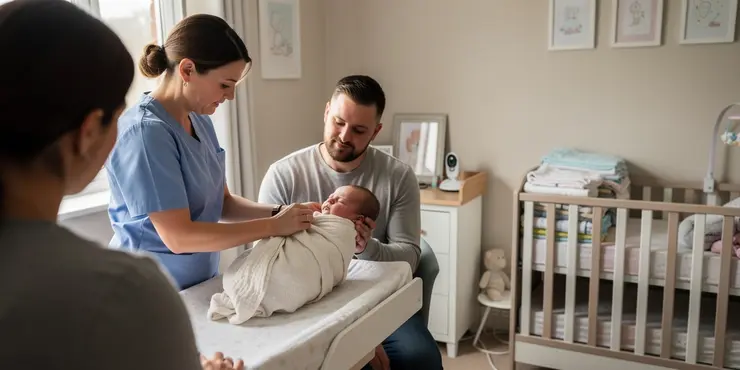
Swaddling can effectively help soothe babies and may reduce the startle reflex that disturbs their sleep. However, it must be done correctly to ensure safety. Always use a thin, breathable fabric and ensure the baby is not overheated. The swaddle should be snug around the arms but looser around the hips and legs to allow for healthy hip development. It is important to stop swaddling once the baby shows signs of rolling over.
Baby Sleeping Bags
In the UK, baby sleeping bags or sleep sacks are widely considered a safer alternative. These garments are designed to keep a baby warm without the need for loose covers in the cot. Sleeping bags come in various tog ratings to match the room temperature and ensure the baby remains comfortable throughout the night. They also prevent the risks associated with loose blankets, such as covering the baby's face or causing overheating.
Room Sharing
Experts recommend that infants sleep in the same room as their parents for the first six months. This guidance is based on evidence that room sharing, but not bed sharing, can reduce the risk of SIDS. Keeping the baby’s cot in your room allows for close supervision and easy access for night-time feedings, without the hazards of sharing a bed or using unnecessary sleep aids like pillows or positioners.
Adhering to Health Guidelines
Following guidelines from trusted health authorities is vital. The NHS and organizations like The Lullaby Trust provide detailed information on safe sleeping practices. Regularly reviewing these resources can keep parents informed of best practices as new research and recommendations emerge. These resources advocate for a minimalistic approach: a firm, flat sleep surface and minimal loose items, providing the safest sleep environment for your baby.
Understanding Baby Sleep Safety
Keeping babies safe while they sleep is very important. Health experts say not to use things like baby sleep pillows because they can be dangerous. Groups like The Lullaby Trust tell parents not to use pillows or sleep positioners. It is better to use safe choices to help babies sleep well.
Safe Sleeping Environments
Babies should sleep on a flat and firm mattress in a crib or a Moses basket. There should be no blankets, pillows, or toys in the baby's sleep area. The mattress should fit well in the crib so there are no spaces that could be unsafe. This helps protect the baby from risks like sudden infant death syndrome (SIDS).
Swaddling the Right Way
Swaddling can calm babies and help them sleep by reducing sudden movements that wake them up. Use a thin and breathable cloth for swaddling. The swaddle should be snug around the arms but let the hips and legs move. Stop swaddling when the baby starts to roll over.
Baby Sleeping Bags
In the UK, baby sleeping bags are seen as a safe choice. They keep the baby warm and do not need loose blankets that could cover the baby’s face. Sleeping bags should be chosen based on the room temperature to keep the baby comfortable all night.
Room Sharing
Experts say babies should sleep in the same room as their parents for the first six months. This can help reduce the risk of SIDS as long as the baby is not in the same bed as the parents. Keeping the baby's crib in your room lets you watch over them and feed them easily at night.
Adhering to Health Guidelines
It is important to follow advice from health experts like the NHS and The Lullaby Trust. They give guidance on how to keep babies safe while they sleep. These groups say to keep the baby's sleep area simple: a firm, flat mattress with no loose items. This setup is the safest for your baby.
Frequently Asked Questions
Safe sleep practices include placing the baby on their back to sleep, using a firm mattress with a fitted sheet, and keeping the crib free of pillows, quilts, and toys.
Yes, instead of sleep pillows, ensure your baby sleeps on a firm mattress in a bassinet or crib that meets safety standards.
Yes, a sleep sack or wearable blanket can keep the baby warm without the need for blankets or pillows, reducing the risk of suffocation.
Sleep pillows can increase the risk of suffocation, sudden infant death syndrome (SIDS), and other sleep-related injuries in infants.
Sleep positioners are sometimes marketed to hold a baby in a specific position but are not recommended due to the risk of suffocation.
Ensure your baby is dressed appropriately for the temperature, use a sleep sack, and maintain a firm, flat sleeping surface.
No, wedges or positioners should not be used in a crib as they can pose a suffocation hazard.
No, small bolster pillows are not safe for infants as they can obstruct breathing and lead to suffocation.
Pillows are generally not recommended until a child transitions to a regular bed around 18-24 months of age or older.
A baby’s crib should contain only a firm mattress with a snug-fitting sheet. It should be free from pillows, toys, and loose bedding.
Ensure your baby has plenty of supervised tummy time while awake to strengthen muscles. Avoid using any products to restrict movement during sleep.
Baby nests and pods are not recommended for unsupervised sleep as they can pose a suffocation risk.
No, folded blankets should not be used as they can create a soft surface that increases the risk of suffocation.
A firm mattress provides a safe, flat surface that reduces the risk of suffocation and promotes healthy development.
No, crib bumpers are not safe as they pose a suffocation and entanglement hazard.
Ensure your baby has plenty of tummy time while awake and alternate the direction they lie in the crib to reduce pressure on any one spot.
No, flat head prevention pillows are not recommended for sleep as they pose a suffocation risk.
Dress your baby in appropriate layers and consider using a sleep sack to keep them comfortable and safe without additional bedding.
No, propping a bottle with a pillow is unsafe and can lead to choking.
If co-sleeping, ensure the baby has a separate sleep space like a bassinet, and follow safe sleep guidelines to avoid soft surfaces and pillows.
To help your baby sleep safely:
1. Always put your baby on their back when they sleep.
2. Use a hard mattress with a sheet that fits snugly.
3. Keep the crib empty. Don't put pillows, blankets, or toys inside.
Yes, make sure your baby sleeps on a hard mattress. Put it in a baby bed or crib that is safe for babies.
A sleep sack is like a special blanket that babies wear. It keeps them warm. They do not need extra blankets or pillows. This helps keep babies safe when they sleep.
Using pillows when a baby sleeps can be dangerous. It can make it hard for them to breathe, cause sudden infant death syndrome (SIDS), or other sleep injuries.
Sleep positioners are cushions that help keep a baby in one place while they sleep. But, these are not safe because they can make it hard for the baby to breathe.
Make sure your baby is wearing clothes that are right for the weather. Use a special baby sleeping bag. Always put your baby to sleep on a firm and flat surface, like a mattress in a crib.
No, you should not use wedges or positioners in a crib. They can be dangerous and might cause suffocation.
No, small bolster pillows are not safe for babies. They can block a baby's breathing and cause suffocation.
Pillows are not usually good for young children. Wait until your child moves to a big bed. This is usually when they are 18 to 24 months old or even older.
A baby's bed should have only a firm mattress and a tight sheet. There should be no pillows, toys, or loose blankets in the bed.
Here are some helpful tools and tips: use a crib sheet with elastic corners to keep it snug, and try using a baby monitor to check on your baby safely.
When your baby is awake, make sure they have time on their tummy. This helps them get strong. Watch them while they play like this. When your baby is sleeping, don't use things that stop them from moving.
It is not safe for babies to sleep alone in nests or pods. They might not be able to breathe well.
No, don't use folded blankets. They can be soft and make it harder to breathe if you lay on them. This can be dangerous.
A firm mattress is good because it keeps you safe. It is flat and helps you breathe easily when you sleep. It also helps your body grow strong and healthy.
No, crib bumpers are not safe. They can cause suffocation, which means it is hard to breathe. They can also cause entanglement, which means getting tangled up.
When your baby is awake, let them spend time on their tummy. This helps them grow strong. Also, change the way your baby lies in their crib. This stops their head from getting flat in one spot.
No, it is not safe to use flat head prevention pillows for sleep. They can cause someone to stop breathing.
Dress your baby in the right amount of clothes. You can also use a sleep sack. This helps keep your baby comfy and safe without using extra blankets.
No, putting a bottle on a pillow is not safe. It can make someone choke.
If you are sleeping with your baby, make sure the baby has their own place to sleep. A small bed called a bassinet is a good idea. Follow safe sleep rules. This means no soft beds or pillows around the baby.

Ergsy Search Results
This website offers general information and is not a substitute for professional advice.
Always seek guidance from qualified professionals.
If you have any medical concerns or need urgent help, contact a healthcare professional or emergency services immediately.
Some of this content was generated with AI assistance. We've done our best to keep it accurate, helpful, and human-friendly.
- Ergsy carefully checks the information in the videos we provide here.
- Videos shown by Youtube after a video has completed, have NOT been reviewed by ERGSY.
- To view, click the arrow in centre of video.
- Most of the videos you find here will have subtitles and/or closed captions available.
- You may need to turn these on, and choose your preferred language.
- Go to the video you'd like to watch.
- If closed captions (CC) are available, settings will be visible on the bottom right of the video player.
- To turn on Captions, click settings.
- To turn off Captions, click settings again.