
Get Answers
Understanding the Concerns About Baby Pillows
Baby pillows, often marketed to aid a baby’s sleep, might seem like useful products. However, their safety has been questioned by child safety experts, particularly due to the risk of suffocation and Sudden Infant Death Syndrome (SIDS). It is vital for parents and caregivers in the UK to be informed about these risks to ensure the well-being of their infants.
Immediate Actions to Take
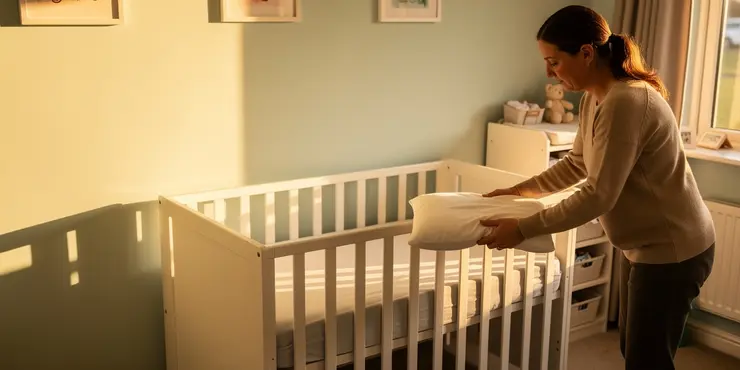
If you have been using a baby pillow and have recently learned it might be unsafe, the first step is to cease using the product immediately. Carefully remove the pillow from your baby’s sleeping environment to prevent any potential risk. Always ensure that the baby’s cot is free from pillows, stuffed toys, or any loose bedding.
Review Safe Sleeping Guidelines
The NHS and numerous safety organisations have clear guidelines when it comes to safe sleeping practices for babies. Always place your baby on their back to sleep, in a cot that meets current safety standards. The sleep surface should be firm and flat without any soft objects or bedding. Keeping the cot in the parents’ room for the first six months is also recommended as a precautionary measure.
Monitor for Any Health Concerns
In case you are worried that your baby might have been affected by the pillow, observe them closely for any unusual health symptoms, particularly related to breathing. If you notice any concerning signs, contact your GP to discuss any potential impacts on your child’s health and appropriate next steps.
Stay Informed and Educated
Staying updated with the latest recommendations from health experts is crucial. Resources such as the Lullaby Trust and NHS websites provide valuable information about infant sleep safety. Regularly checking these sources can help you stay informed on best practices and product recalls that might affect your child’s safety.
Consider Professional Advice
If you feel uncertain or overwhelmed, don’t hesitate to reach out to health professionals. Health visitors, GPs, and paediatricians in the UK can offer tailored advice and reassurance. They can provide guidance specific to your child’s needs, ensuring you are taking the best possible steps to protect your baby.
Reassessing Other Baby Products
This situation serves as a reminder to reassess other childcare products you might be using. Research their safety statuses by consulting reliable sources such as Which? or other consumer protection agencies. Ensuring all items in your baby’s environment are safe can prevent future issues.
Conclusion
The safety of your baby is paramount. Removing potentially unsafe baby pillows from your child’s sleep environment is an important first step. By following recommended guidelines, staying informed, and consulting healthcare professionals, you can create a safe and secure space for your baby to grow and thrive.
Understanding Baby Pillow Concerns
Baby pillows are sold to help babies sleep better. But experts say they might not be safe. They can be dangerous because babies can suffocate, or they can lead to Sudden Infant Death Syndrome (SIDS). It's important for parents and caregivers to know about these risks to keep babies safe.
What You Should Do Now
If you have a baby pillow, stop using it right away. Take the pillow out of your baby's bed to keep them safe. Make sure your baby's cot is free from pillows, stuffed toys, or any loose bedding.
Check Safe Sleeping Advice
The NHS and other safety groups have advice on how babies should sleep. Babies should sleep on their back, in a cot that is safe. The mattress should be firm and flat with no soft things like toys or blankets. It’s best to keep the cot in the parents' room for the first six months.
Watch for Health Problems
If you think the pillow has hurt your baby, watch them closely. Look for any breathing problems or anything unusual. If you see something wrong, call your doctor to talk about what to do next.
Learn and Stay Informed
Keep up with the latest news from health experts. Websites like the Lullaby Trust and NHS have good information on baby sleep safety. Checking these sites often can help you know the best ways to keep your baby safe and hear about any product recalls.
Ask for Professional Help
If you're worried or not sure, talk to health professionals. Health visitors, GPs, and paediatricians in the UK can give you advice and help. They can tell you what is best for your baby’s safety.
Think About Other Baby Products
This is a good time to look at other baby things you use. Check if they are safe by looking at sites like Which? or other consumer protection groups. Making sure everything around your baby is safe can stop problems before they happen.
Conclusion
Your baby's safety is very important. Taking away baby pillows from their bed is a crucial step. By following advice, keeping informed, and talking to health experts, you can make sure your baby has a safe place to sleep and grow.
Frequently Asked Questions
Unsafe baby pillow use refers to placing pillows, cushions, or soft bedding near or under a baby in ways that can block breathing or cause overheating. It is dangerous because infants can suffocate, re-breathe stale air, or become trapped in a position that restricts their airway.
Unsafe baby pillow use is a risk for babies under 12 months, and many experts recommend avoiding pillows for toddlers as well unless a pediatrician advises otherwise. Infants do not need a pillow for sleep, and soft items in the sleep space increase the chance of suffocation.
Unsafe baby pillow use is linked to suffocation because a baby’s face can press into a pillow, limiting airflow. A pillow can also shift and cover the nose and mouth, especially if the baby cannot move away easily.
Signs of unsafe baby pillow use include any pillow in the crib, bassinet, or stroller sleep space, as well as loose cushions, padded head supports, or soft positioners. If the baby can sink into the surface or the item can move near the face, it is unsafe.
Caregivers can prevent unsafe baby pillow use by keeping the sleep space firm, flat, and empty except for a fitted sheet. Remove pillows, blankets, stuffed toys, and positioners, and place the baby on their back for sleep.
No, unsafe baby pillow use is not safe for newborn sleep. Newborns have limited head control and can easily become face-down or trapped against soft bedding, which raises the risk of suffocation and overheating.
Yes, unsafe baby pillow use can contribute to overheating because pillows and soft bedding trap heat around a baby's head and body. Overheating is a known sleep risk for infants and can make safe breathing more difficult.
If you notice unsafe baby pillow use in a crib, remove the pillow immediately and clear the sleep space of all soft items. Place the baby back on a firm, flat mattress with only a fitted sheet.
Yes, unsafe baby pillow use can include leaving nursing pillows in the baby’s sleep area. Even if used for feeding, these pillows are not safe for unsupervised sleep because a baby can roll, sink, or get trapped against them.
Yes, unsafe baby pillow use can happen anywhere a baby is resting if a pillow or cushion is added incorrectly. Soft inserts and loose pillows can obstruct breathing or interfere with the baby’s positioning, especially during sleep.
Experts warn against unsafe baby pillow use for tummy sleeping because a pillow can increase the chance that a baby’s face will be pressed into a soft surface. Tummy sleeping already carries higher risk for infants, and pillows make the sleep environment even less safe.
Unsafe baby pillow use is considered a sleep hazard that may increase the overall risk of sudden infant death by creating a soft sleep environment. While no single factor causes SIDS, pillows and other soft bedding are strongly discouraged.
Relatives should know that unsafe baby pillow use is not allowed in a baby’s sleep space, even if the baby seems comfortable on a pillow. Caregivers should explain that the safest sleep environment is firm, flat, and free of soft items.
Safe support for a baby means following a pediatrician’s instructions for medical needs, not adding soft pillows for comfort. If the item is fluffy, loose, or can move around the baby’s face or body, it is likely unsafe baby pillow use.
Yes, unsafe baby pillow use remains a concern for rolling babies because they may move into a pillow and be unable to reposition quickly. Rolling does not make pillows safe; an empty sleep space is still recommended.
Emergency signs may include a baby who is difficult to wake, breathing irregularly, turning blue or pale, or not breathing normally. If any of these occur, call emergency services right away and start infant CPR if you are trained.
Yes, decorative nursery pillows are part of unsafe baby pillow use if they are placed in the baby’s crib, bassinet, or sleep area. Decorative items should be kept out of reach until the baby is no longer in an infant sleep space.
Unsafe baby pillow use is not recommended as a way to support development, because the main concern is safety rather than posture. Babies generally do not need pillows, and a firm, flat sleep surface is best for healthy positioning.
You can explain that unsafe baby pillow use means any pillow or soft bedding near a sleeping baby, and that it is avoided because it can block breathing or cause overheating. The safest message is that babies should sleep alone, on their backs, in a crib with a firm mattress and no pillows.
Reliable guidance about unsafe baby pillow use can come from pediatricians, public health agencies, and child safety organizations. These sources usually recommend a firm, flat sleep surface with no pillows, blankets, bumpers, or loose soft items.

Ergsy Search Results
This website offers general information and is not a substitute for professional advice.
Always seek guidance from qualified professionals.
If you have any medical concerns or need urgent help, contact a healthcare professional or emergency services immediately.
Some of this content was generated with AI assistance. We've done our best to keep it accurate, helpful, and human-friendly.
- Ergsy carefully checks the information in the videos we provide here.
- Videos shown by Youtube after a video has completed, have NOT been reviewed by ERGSY.
- To view, click the arrow in centre of video.
- Most of the videos you find here will have subtitles and/or closed captions available.
- You may need to turn these on, and choose your preferred language.
- Go to the video you'd like to watch.
- If closed captions (CC) are available, settings will be visible on the bottom right of the video player.
- To turn on Captions, click settings.
- To turn off Captions, click settings again.