
Get Answers
Introduction to Incentive Spirometers
An incentive spirometer is a medical device used in air physiotherapy to help patients improve the functioning of their lungs. This device is particularly beneficial for individuals who have undergone surgery, those with respiratory issues, or patients who have been bedridden for extended periods. Its primary purpose is to encourage deep breathing, enhance lung capacity, and prevent potential complications such as pneumonia.
How an Incentive Spirometer Works
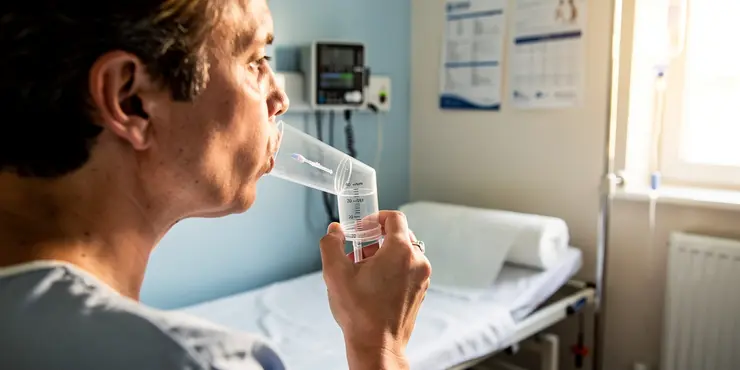
Incentive spirometers are usually made of plastic and consist of a mouthpiece attached to a tube connected to a chamber with a moving piston or ball. The device operates by the patient inhaling slowly and deeply through the mouthpiece. Doing so raises the piston or ball within the chamber to a set target level, which the patient aims to maintain or surpass. This action simulates natural lung expansion, encouraging optimal airflow into the air sacs of the lungs and preventing complications due to immobility or shallow breathing.
Benefits of Using an Incentive Spirometer
The use of an incentive spirometer offers several key benefits. Firstly, it helps in maintaining lung strength and elasticity, which can diminish after surgical procedures or prolonged inactivity. It also effectively combats the risk of postoperative pneumonia by ensuring the lungs remain clear of fluids and secretions. Moreover, regular use can enhance overall respiratory function, facilitating a quicker recovery process and reducing the duration of hospitalization.
Who Can Benefit from an Incentive Spirometer?
Incentive spirometers are recommended for a wide range of patients. Those who have undergone abdominal or chest surgery often find them useful in managing pain associated with deep breathing and coughing post-surgery. Patients suffering from chronic obstructive pulmonary disease (COPD) or other chronic respiratory conditions may also benefit from regular use of these devices. Additionally, individuals who have been immobile for an extended period due to illness or injury can use them to improve lung function and promote respiratory health.
Using an Incentive Spirometer Effectively
To use an incentive spirometer effectively, patients should be guided by healthcare professionals on technique and frequency. Typically, patients are advised to use the spirometer several times a day, with each session lasting a few minutes. Proper posture and technique are crucial—patients should sit upright, seal their lips tightly around the mouthpiece, inhale slowly, and hold their breath for a few seconds before exhaling. This ensures maximum benefits are gained from each session, leading to improved breathing outcomes over time.
Conclusion
In conclusion, an incentive spirometer is a vital tool in air physiotherapy, promoting respiratory health by encouraging deep breathing exercises. It plays a significant role in postoperative care, the management of chronic respiratory conditions, and recovery from immobility. Through regular use and proper technique, patients can experience a marked improvement in their lung function and overall health.
What Is an Incentive Spirometer?
An incentive spirometer is a tool that helps you breathe better. Doctors use it to help people make their lungs stronger. People who had surgery, have breathing problems, or were lying in bed for a long time can use it. It helps you breathe deeply and keeps your lungs working well. It can also stop problems like pneumonia.
How Does an Incentive Spirometer Work?
The incentive spirometer is a plastic tool. It has a mouthpiece, a tube, and a chamber with a moving part inside, like a ball or piston. You use it by breathing in slowly through the mouthpiece. This makes the ball or piston move up. Your goal is to keep it at a target level or go higher. This helps your lungs take in lots of air and stay healthy.
Why Use an Incentive Spirometer?
Using an incentive spirometer is good for many reasons. It helps keep your lungs strong after surgery or if you haven't moved for a long time. It helps stop fluid from collecting in your lungs, which can cause pneumonia. Using it regularly makes you breathe better and helps you get well faster. It can also help you leave the hospital sooner.
Who Can Benefit?
Many people can use an incentive spirometer. If you had surgery on your belly or chest, it helps with pain when you breathe deeply. If you have a long-term breathing problem like COPD, it can help you breathe better. People who have to stay in bed for a long time because of sickness or injury can also use it to keep their lungs healthy.
How to Use It Right
It's important to know how to use the incentive spirometer the right way. Doctors or nurses can show you how. You should use it a few times each day. When using it, sit up straight, put the mouthpiece in your mouth, and close your lips tightly. Breathe in slowly, hold your breath for a few seconds, then breathe out. Doing this helps you get the most benefit and makes your lungs stronger.
Summary
The incentive spirometer is a helpful tool for breathing and lung health. It is used after surgery, for people with breathing problems, and if you've been in bed for a long time. By using it regularly and correctly, you can make your lungs stronger and feel healthier.
Frequently Asked Questions
An incentive spirometer is a medical device used to help patients improve the functioning of their lungs.
An incentive spirometer works by encouraging the patient to take deep breaths, which helps expand the lungs and improve their capacity.
An incentive spirometer is often used by patients who have recently undergone surgery, especially abdominal or chest surgery, to prevent pulmonary complications.
It helps in preventing lung complications such as pneumonia and atelectasis by keeping the lungs active and improving airflow.
Your healthcare provider will advise on a specific routine, but it is generally recommended to use it regularly, such as 10 times every hour when awake.
Key benefits include improved lung function, reduced risk of lung infections, and enhanced recovery from surgery.
It is typically easy to use with practice, as patients need to inhale slowly and deeply to raise the indicator on the device.
Most people can use it unless contraindicated by a healthcare provider. It's important to follow their advice on its use.
It may be provided as part of a patient's care plan after surgery or hospitalization, or you can ask your doctor if it's appropriate for your needs.
Yes, regular use can help maintain lung capacity, improve airflow, and support overall respiratory health.
Follow the instructions given by your healthcare provider and ensure proper hygiene by cleaning the device regularly.
Your healthcare provider will help set target volumes for you based on your individual condition and capability.
Stop the exercise and rest. Consult your healthcare provider if dizziness persists.
Each session usually lasts a few minutes, with a focus on slow, deep breaths, and is repeated multiple times a day.
It can be a supportive tool for maintaining lung function but should be used as part of a comprehensive care plan.
It typically includes a mouthpiece, a main chamber with an indicator, and a piston that moves as you inhale.
Follow the manufacturer's cleaning instructions, typically involving disassembling the parts and washing them with mild soap and water.
Check for blockages, ensure it is assembled correctly or contact your healthcare provider for assistance.
It can be part of respiratory therapy to help regain lung capacity and function as advised by healthcare providers.
There are usually no side effects when used correctly, but improper use could lead to dizziness or hyperventilation.
An incentive spirometer is a tool used by doctors to help people breathe better. It helps make your lungs stronger.
An incentive spirometer is a tool that helps you take big breaths. It helps your lungs get bigger and stronger.
A breathing exercise tool helps people after surgery. It is important for people who had surgery on their belly or chest. It helps keep your lungs healthy.
It helps keep your lungs healthy. It stops problems like pneumonia. It also helps you breathe better.
Your doctor will tell you what to do, but it is usually a good idea to use it often, like 10 times every hour while you are awake.
The main good things are:
- Your lungs work better.
- It's easier to avoid getting lung infections.
- You get better faster after surgery.
It gets easier with practice. Patients need to breathe in slowly and deeply to make the marker go up on the device.
Most people can use it unless a doctor says it's not safe for them. It's important to do what the doctor says about using it.
You might get this as part of your care plan after surgery or a hospital visit. You can also ask your doctor if it’s right for you.
Yes, using it often can help keep your lungs strong, make breathing easier, and keep your lungs healthy.
Listen to what your doctor or nurse tells you, and make sure you clean the device often to keep it safe and healthy.
Your doctor will help you find the right amount for you. This will depend on how you are and what you can do.
Stop exercising and take a break. Talk to your doctor if you still feel dizzy.
Each time you do this, it takes only a few minutes. Breathe in and out slowly and deeply. Try to do it many times every day.
This can help to keep your lungs working well. Make sure to use it with a full care plan.
It usually has a part you put in your mouth, a bigger tube with a marker, and a part inside that moves when you breathe in.
Follow the cleaning instructions from the maker. Usually, this means taking the parts apart and washing them with gentle soap and water.
Look to see if something is blocking it. Make sure you put it together right. If you are still having trouble, talk to your doctor or healthcare helper for help.
Breathing help can make your lungs work better. Doctors often suggest doing this to help you breathe well again.
If you use it the right way, it usually won't make you feel bad. But if you use it the wrong way, it might make you feel dizzy or like you're breathing too fast.

Ergsy Search Results
This website offers general information and is not a substitute for professional advice.
Always seek guidance from qualified professionals.
If you have any medical concerns or need urgent help, contact a healthcare professional or emergency services immediately.
Some of this content was generated with AI assistance. We've done our best to keep it accurate, helpful, and human-friendly.
- Ergsy carefully checks the information in the videos we provide here.
- Videos shown by Youtube after a video has completed, have NOT been reviewed by ERGSY.
- To view, click the arrow in centre of video.
- Most of the videos you find here will have subtitles and/or closed captions available.
- You may need to turn these on, and choose your preferred language.
- Go to the video you'd like to watch.
- If closed captions (CC) are available, settings will be visible on the bottom right of the video player.
- To turn on Captions, click settings.
- To turn off Captions, click settings again.