
Get Answers
Introduction to Air Physiotherapy
Air physiotherapy is an innovative branch of physiotherapy that focuses on using the natural properties of air to facilitate healing and rehabilitation. It capitalises on air's resistance and buoyancy to enhance physical therapy exercises, making it suitable for a wide range of patients, including those with mobility issues or recovering from surgery. This approach is gaining popularity in the UK due to its versatile applications and non-invasive nature.
Principles of Air Physiotherapy
The core principle of air physiotherapy is to utilise air’s resistance to improve muscle strength and joint flexibility. Instead of relying on traditional weights or resistance bands, air physiotherapy equipment provides resistance through air pressure. This can help in reducing the risk of injury since the resistance is often more controlled and uniform. The therapy is typically conducted in environments or apparatus that allow for manipulation of air pressure, offering a unique way to cater to individual patient needs.
Benefits of Air Physiotherapy
Air physiotherapy offers several benefits for patients. First, it provides a safer environment for individuals with joint problems or those recovering from surgery, as the supportive nature of air reduces stress on the body. Second, it is highly adaptable, making it suitable for all age groups and varying fitness levels. Third, the use of air resistance can enhance cardiovascular health and improve overall fitness. In the UK, where healthcare emphasises non-invasive and sustainable treatments, air physiotherapy aligns well with these goals, offering an effective alternative to traditional physical therapy methods.
Applications in the UK
In the UK, air physiotherapy is applied in a variety of settings, including hospitals, rehabilitation centres, and specialised clinics. It is particularly beneficial for patients with chronic respiratory conditions like asthma or COPD, as it helps in improving lung function through respiratory exercises. Additionally, air physiotherapy is used in sports rehabilitation to aid athletes in recovering from injuries without putting undue stress on their bodies. The adaptability and innovative nature of air physiotherapy make it a valuable addition to the physiotherapy options available in the country.
Conclusion
As the healthcare landscape in the UK continues to evolve, air physiotherapy is poised to become an integral part of rehabilitation and physical therapy practices. Its unique approach, which caters to a wide range of patients through safe and effective methods, ensures that it remains an attractive option for both practitioners and patients. By leveraging the natural properties of air, this therapy offers a promising alternative to more traditional forms of physical rehabilitation, aligning well with the UK’s healthcare priorities of accessibility and innovativeness.
Introduction to Air Physiotherapy
Air physiotherapy is a new kind of physiotherapy. It uses air to help people heal and get better. The air helps you do exercises that make you stronger. It's good for people with movement problems or those who had surgery. Air physiotherapy is becoming popular in the UK because it is gentle and useful.
Principles of Air Physiotherapy
Air physiotherapy uses air to make your muscles stronger and your joints more flexible. Instead of weights, it uses air pressure to give you resistance. This makes it safer because the resistance is even and not too much. The treatment uses special places or machines where you can change the air pressure. This helps meet each patient's needs.
Benefits of Air Physiotherapy
Air physiotherapy has many benefits. It is safer for people with joint problems or those healing from surgery. The air is gentle on the body. It can fit all ages and fitness levels. Air resistance can help your heart and improve fitness. In the UK, where healthcare looks for gentle and lasting treatments, air physiotherapy fits well. It is a good choice instead of usual physical therapy methods.
Applications in the UK
In the UK, air physiotherapy is used in hospitals, rehab centers, and special clinics. It helps people with breathing problems like asthma feel better. It also helps athletes heal from injuries without too much stress. Air physiotherapy's ability to change for different needs makes it a good choice for many people in the UK.
Conclusion
Air physiotherapy is becoming more important in the UK for healing and exercises. It offers a safe and effective way to help many patients. Using air, it gives a new choice for recovery that fits with the UK's focus on easy and creative healthcare.
Frequently Asked Questions
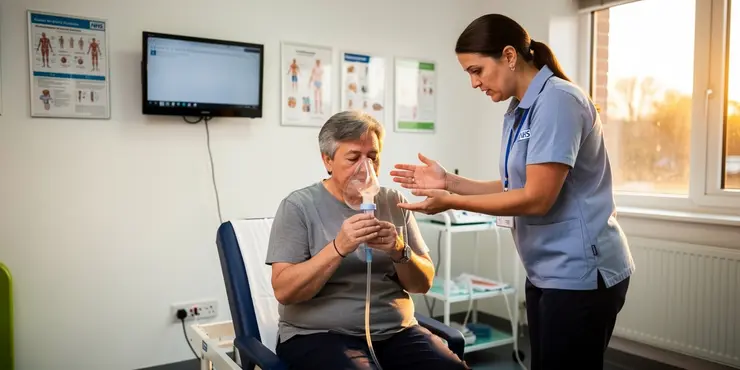
Air physiotherapy is a therapeutic practice that uses controlled air pressure or devices to aid in respiratory therapy and enhance lung function.
It works by using devices or exercises to improve air flow, increase lung capacity, and strengthen respiratory muscles, often helping patients with breathing difficulties.
Patients with respiratory conditions such as asthma, COPD, cystic fibrosis, or those recovering from lung surgery can benefit from air physiotherapy.
While generally safe, improper use of devices can cause respiratory distress, so it's important to conduct therapy under professional guidance.
Common equipment includes incentive spirometers, flutter devices, and positive expiratory pressure (PEP) devices.
Yes, air physiotherapy specifically focuses on respiratory health, while traditional physiotherapy often addresses musculoskeletal issues.
Yes, it can help improve lung function and breathing capacity in patients recovering from COVID-19.
Frequency depends on the individual’s condition and should be determined by a healthcare professional.
Yes, but it should be supervised by healthcare professionals and tailored to the child’s needs.
Many exercises and techniques can be performed at home, but initial guidance from a therapist is recommended.
It's a device used to encourage deep breathing to expand the lungs and prevent atelectasis.
It strengthens respiratory muscles and improves lung function, making it easier for asthma patients to breathe.
In many cases, a healthcare provider's recommendation or prescription may be required.
Yes, exercises like deep breathing, diaphragmatic breathing, and pursed-lip breathing are often used.
A flutter device is a handheld tool that helps clear mucus from the airways by creating oscillating positive expiratory pressure.
While it cannot prevent infections, improving lung function can help reduce the severity and frequency of infections.
Positive Expiratory Pressure (PEP) therapy helps keep the airways open and assists in mucus clearance.
No, it primarily focuses on physical techniques, but it may complement medical treatment.
Sessions typically last between 15 to 30 minutes, depending on the individual needs and treatment goals.
Providers should be licensed physiotherapists or respiratory therapists trained in pulmonary rehabilitation techniques.
Air physiotherapy helps people breathe better. It uses special machines or air pressure to help the lungs work well.
This helps people breathe better. It uses tools or exercises to make air move easier, make lungs hold more air, and make breathing muscles stronger. This is good for people who have trouble breathing.
People who have breathing problems like asthma, COPD, cystic fibrosis, or who are getting better after lung surgery can get help from air physiotherapy. This is special exercise for your lungs.
These devices are usually safe, but if you use them wrong, they can make it hard to breathe. It's important to have a doctor or nurse help you when using them.
There are special tools to help you breathe better. These tools have different names. Some of them are called breathing helpers, flutter tools, and PEP devices. You can ask someone to show you how to use them. They can help make breathing easier for you.
Yes, air physio helps you breathe better and is all about your lungs. Regular physiotherapy usually helps with muscles and bones instead.
Sometimes, using pictures or videos can make things easier to understand. You could also ask someone to explain it to you in a way that makes sense to you.
Yes, it can help the lungs work better and make it easier to breathe for people getting better from COVID-19.
How often you need it depends on how you are feeling. A doctor or nurse should tell you what is right for you.
Yes, but a doctor or nurse should watch over it and make sure it's right for the child.
There are many exercises and activities you can do at home. But it's a good idea to start by talking to a therapist. They can help you learn how to do them the right way.
This is a tool that helps you breathe deeply. It makes your lungs bigger and keeps them healthy.
It makes the breathing muscles stronger and helps the lungs work better. This makes it easier for people with asthma to breathe.
Sometimes, you will need a doctor or nurse to tell you what to do or give you a note.
Yes, you can try some breathing exercises. These exercises are:
- Deep breathing
- Diaphragmatic breathing
- Pursed-lip breathing
These exercises can help you feel better. You might like to try them.
A flutter device is a small tool you hold in your hand. It helps you clear mucus (sticky stuff) from your lungs. It works by making a special kind of pressure when you breathe out.
Making your lungs work better won't stop infections, but it can help make them less strong and happen less often.
Positive Expiratory Pressure (PEP) therapy helps you breathe better. It keeps the air tubes in your lungs open and helps clear out mucus.
No, it mostly uses body exercises, but it can also help with medicine.
Sessions are usually 15 to 30 minutes long. The time depends on what each person needs and their goals.
Helpers need to be therapists who know about breathing and exercise to make lungs stronger.

Ergsy Search Results
This website offers general information and is not a substitute for professional advice.
Always seek guidance from qualified professionals.
If you have any medical concerns or need urgent help, contact a healthcare professional or emergency services immediately.
Some of this content was generated with AI assistance. We've done our best to keep it accurate, helpful, and human-friendly.
- Ergsy carefully checks the information in the videos we provide here.
- Videos shown by Youtube after a video has completed, have NOT been reviewed by ERGSY.
- To view, click the arrow in centre of video.
- Most of the videos you find here will have subtitles and/or closed captions available.
- You may need to turn these on, and choose your preferred language.
- Go to the video you'd like to watch.
- If closed captions (CC) are available, settings will be visible on the bottom right of the video player.
- To turn on Captions, click settings.
- To turn off Captions, click settings again.