
Get Answers
Introduction to Air Physiotherapy
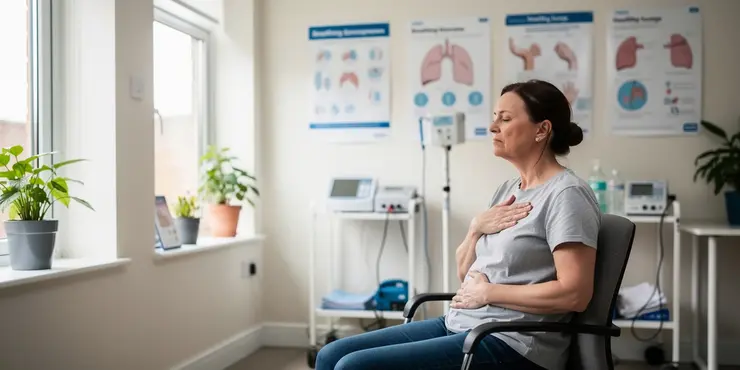
Air physiotherapy, also known as respiratory physiotherapy, involves a set of techniques designed to improve respiratory function and overall lung health. It is particularly beneficial for individuals with chronic respiratory conditions such as chronic obstructive pulmonary disease (COPD), asthma, or cystic fibrosis. The goal of air physiotherapy is to enhance breathing efficiency, clear mucus from the lungs, and improve the quality of life for patients.
Techniques Used in Air Physiotherapy
Air physiotherapy employs a variety of techniques, each tailored to address specific respiratory issues. One common method is breathing exercises that strengthen the diaphragm and intercostal muscles, enhancing lung capacity and oxygen exchange. These exercises can include diaphragmatic breathing, which focuses on deep belly breathing, and pursed-lip breathing, which can help prevent airway collapse.
Another vital component is chest physiotherapy, which involves physical techniques such as percussion and vibration. Percussion helps to loosen mucus in the lungs by rhythmically tapping on the chest, while vibration uses rapid shaking movements to further dislodge trapped mucus, making it easier to expel through coughing.
Postural drainage is also a key technique where the patient is positioned in specific ways to use gravity to drain mucus from different sections of the lungs. This is helpful in ensuring that mucus does not accumulate and cause infection or blockages.
Equipment Used in Air Physiotherapy
A variety of equipment can aid in air physiotherapy. Incentive spirometers, which are handheld devices, encourage deep breathing by providing visual feedback on inhalation efforts. Positive expiratory pressure (PEP) devices help keep airways open by creating resistance during exhalation, which aids in mucus clearance.
Flutter valves or acapella devices are also used. These create vibrations in the airways that help loosen mucus, and they are portable, making them easy to use at home. In some cases, nebulisers may be used to deliver medication directly to the lungs, reducing inflammation and easing breathing difficulties.
Benefits of Air Physiotherapy
Air physiotherapy offers numerous benefits for individuals with respiratory conditions. It can significantly improve lung function, reduce the frequency of hospital admissions, and enhance exercise tolerance. By maintaining clear airways, patients often experience fewer respiratory infections and improved oxygenation.
Beyond physical benefits, air physiotherapy can also have a positive impact on mental health by reducing anxiety associated with breathing difficulties. Patients often feel more in control of their condition and empowered to manage symptoms effectively.
Conclusion
Air physiotherapy is a crucial intervention for those with chronic respiratory issues in the UK. Through a combination of targeted exercises, manual techniques, and supportive equipment, it effectively enhances lung health and quality of life. Patients are encouraged to consult with healthcare professionals to develop a tailored physiotherapy plan that meets their specific needs. Regular practice of these techniques can lead to sustained improvements in respiratory function and overall wellbeing.
What is Air Physiotherapy?
Air physiotherapy, also called respiratory physiotherapy, is a way to help people breathe better. It uses different techniques to make lungs healthier. This is very helpful for people with lung problems like COPD, asthma, or cystic fibrosis. The aim is to help people breathe more easily, remove mucus from the lungs, and help them feel better overall.
How Does Air Physiotherapy Work?
There are different ways to do air physiotherapy, and each helps with breathing problems. One way is breathing exercises. These exercises make the breathing muscles stronger and help lungs take in more oxygen. Some exercises are diaphragmatic breathing, where you breathe deeply using your belly, and pursed-lip breathing, which helps keep the airways open.
Another method is chest physiotherapy. This involves tapping or shaking the chest to loosen mucus in the lungs, making it easier to cough it out.
Postural drainage is another technique. The person is put in certain positions so gravity helps drain mucus from the lungs. This stops mucus from building up and causing problems.
Tools Used in Air Physiotherapy
Different tools can help with air physiotherapy. One tool is an incentive spirometer, which is a small device you hold. It shows how well you are breathing deeply. Another tool is the positive expiratory pressure (PEP) device. It helps keep your airways open by making you breathe out with some resistance, which helps clear mucus.
Flutter valves or acapella devices make vibrations in the airways to loosen mucus. They are easy to carry, so you can use them at home. Sometimes, a nebuliser is used to send medicine straight to the lungs, reducing swelling and helping you breathe easier.
Why is Air Physiotherapy Good for You?
Air physiotherapy has many benefits for people with lung problems. It makes lungs work better, stops frequent hospital visits, and lets people exercise more easily. By keeping the airways clear, patients have fewer lung infections and better oxygen levels.
Aside from physical benefits, air physiotherapy can also help people feel less anxious. Knowing how to manage breathing problems can make patients feel more in control and confident.
Final Thoughts
Air physiotherapy is very important for people with lung problems in the UK. It uses special exercises, hands-on techniques, and helpful tools to make lungs healthier and life better. People should work with healthcare professionals to create a plan that fits their needs. Practicing these techniques often can lead to lasting improvements in how well someone breathes and feels overall.
Frequently Asked Questions
Air physiotherapy is a form of treatment that uses breathing exercises and techniques to improve respiratory function and promote physical well-being.
Air physiotherapy helps improve respiratory function by strengthening the respiratory muscles, increasing lung capacity, and enhancing oxygenation through guided breathing exercises.
Individuals with respiratory conditions like asthma, chronic obstructive pulmonary disease (COPD), cystic fibrosis, and other pulmonary disorders can benefit from air physiotherapy.
Techniques used in air physiotherapy include diaphragmatic breathing, pursed-lip breathing, chest physiotherapy, and incentive spirometry.
The goals of air physiotherapy are to enhance breathing efficiency, improve lung function, reduce respiratory symptoms, and increase overall physical activity.
While primarily for those with respiratory issues, air physiotherapy can also benefit athletes, singers, and individuals looking to improve their overall breathing efficiency.
Air physiotherapy specifically focuses on breathing techniques and exercises to improve respiratory function, whereas traditional physiotherapy addresses a broader range of physical rehabilitation needs.
Yes, many air physiotherapy exercises can be performed at home with guidance from a trained physiotherapist to ensure proper technique and effectiveness.
A typical air physiotherapy session can last between 30 to 60 minutes, depending on the individual's needs and treatment plan.
The frequency of air physiotherapy exercises varies based on the individual's condition and goals, but it is typically recommended to practice daily or as advised by a physiotherapist.
Minimal equipment is required; some exercises may use a spirometer or respiratory muscles training devices, but most rely on body techniques.
Yes, children with respiratory issues can participate in air physiotherapy, with exercises adapted to their age and capacity.
When performed correctly and under guidance, air physiotherapy is generally safe, but improper techniques can lead to respiratory discomfort or fatigue.
Yes, air physiotherapy can help alleviate anxiety and stress by teaching relaxation techniques and breathing exercises that promote calmness.
It is advisable to consult a healthcare professional before starting air physiotherapy, especially if you have underlying health conditions.
Results can vary, but some individuals may notice improvements in breathing and physical endurance within a few weeks of consistent practice.
Yes, virtual air physiotherapy sessions are available and can be effective with the guidance of a qualified physiotherapist.
Diaphragmatic breathing is a technique that engages the diaphragm, promoting deeper breaths and improved oxygen exchange.
Air physiotherapy may assist in post-COVID-19 recovery by improving lung function and reducing respiratory symptoms through targeted exercises.
During your first session, the physiotherapist will assess your condition, discuss goals, and introduce basic breathing techniques tailored to your needs.
Air physiotherapy is a way to help you breathe better. It uses special exercises to make your lungs and body healthier.
Air physiotherapy helps you breathe better. It makes your breathing muscles stronger and helps your lungs hold more air. You also get more oxygen. This is done by practicing special breathing exercises.
People with breathing problems like asthma, COPD, cystic fibrosis, and other lung issues can find air therapy helpful.
Here are some ways to help with breathing:
- Breathe with your belly: Use your tummy to help you breathe deeply.
- Breathe out with your lips: Pucker your lips like you're blowing a kiss to breathe out slowly.
- Chest exercises: Do simple exercises to help your chest feel better.
- Blow into a tube: Use a special tube to practice deep breathing.
These ways can make breathing easier. You can also use tools like pictures or videos to learn how to do them.
The goals of air physiotherapy are:
- To help you breathe better.
- To make your lungs work well.
- To make it easier when you have trouble breathing.
- To help you be more active.
Here are some things that might help you:
- Try using pictures to understand better.
- Ask someone to read with you.
- Use apps that read text out loud.
Air physiotherapy can help people breathe better. It is good for people who have trouble breathing, like athletes and singers. It can also help anyone who wants to breathe easier every day.
Air physiotherapy helps you breathe better with special exercises. It focuses on your lungs and how you breathe.
Traditional physiotherapy helps your whole body get stronger and better after an injury. It is not just for breathing.
If reading is difficult for you, try using a ruler or your finger to follow along. Take your time and read slowly.
Yes, you can do many air physiotherapy exercises at home. A trained physiotherapist can show you how to do them correctly so they help you.
A session of air physiotherapy usually lasts from 30 to 60 minutes. This can change depending on what each person needs and their treatment plan.
How often you need to do air physiotherapy exercises depends on your health and what you want to achieve. Most people should do them every day or follow the advice of their physiotherapist.
You don't need a lot of stuff to do these exercises. Some exercises might use a tool called a spirometer or devices that help train your breathing muscles. But mostly, you just need your body to do these exercises.
Yes, kids who have trouble breathing can do air therapy. The exercises will be made just right for their age and what they can do.
Air physiotherapy is usually safe when done right and with help. But if you do it the wrong way, it might hurt your breathing or make you feel very tired.
Yes, air physiotherapy can help you feel less worried and stressed. It teaches you how to relax and breathe better, which can help you feel calm.
It's a good idea to talk to a doctor before doing air physiotherapy. This is important if you have any health problems.
Results can be different for everyone. Some people might find it easier to breathe and feel stronger after just a few weeks if they keep practicing regularly.
Yes, you can have air physiotherapy sessions online. They work well with the help of a trained physiotherapist.
Diaphragmatic breathing is a way to help you breathe better. It helps you use your diaphragm, so you can take deep breaths and get more oxygen.
Breathing exercises after COVID-19 can help make your lungs stronger and help you breathe better. These special exercises can be part of getting better after being sick.
At your first visit, the physiotherapist will check how you are doing. They will talk about what you want to get better at. They will show you some easy breathing exercises that are right for you.

Ergsy Search Results
This website offers general information and is not a substitute for professional advice.
Always seek guidance from qualified professionals.
If you have any medical concerns or need urgent help, contact a healthcare professional or emergency services immediately.
Some of this content was generated with AI assistance. We've done our best to keep it accurate, helpful, and human-friendly.
- Ergsy carefully checks the information in the videos we provide here.
- Videos shown by Youtube after a video has completed, have NOT been reviewed by ERGSY.
- To view, click the arrow in centre of video.
- Most of the videos you find here will have subtitles and/or closed captions available.
- You may need to turn these on, and choose your preferred language.
- Go to the video you'd like to watch.
- If closed captions (CC) are available, settings will be visible on the bottom right of the video player.
- To turn on Captions, click settings.
- To turn off Captions, click settings again.