
Get Answers
Understanding PEP Therapy in Air Physiotherapy
Positive Expiratory Pressure (PEP) therapy is a widely used respiratory treatment designed to aid individuals with lung conditions to improve their breathing efficiency. It involves the use of a device to create resistance as one exhales, promoting better airflow and helping to clear mucus from the airways. This method is particularly beneficial for patients with chronic obstructive pulmonary disease (COPD), cystic fibrosis, and other conditions that lead to mucus build-up and impaired lung function.
How PEP Therapy Works
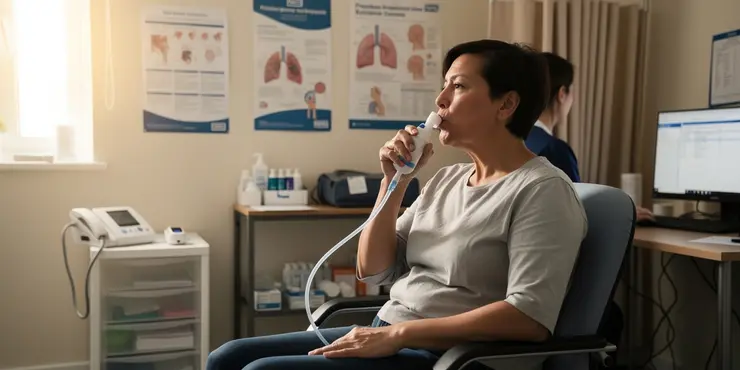
The principle behind PEP therapy lies in generating positive pressure in the airways during expiration. Patients use a handheld device that consists of a mouthpiece or mask connected to a resistor. When breathing out through this device, patients experience a resistance that causes positive pressure in the airways, preventing their collapse and facilitating the mobilization of mucus. This helps in maintaining open airways, thereby improving ventilation and gas exchange.
Benefits of PEP Therapy
One of the main advantages of PEP therapy is its ability to help individuals clear excess mucus from their lungs, which often leads to enhanced breathing and oxygen intake. By keeping the airways open during exhalation, PEP therapy ensures that mucus is moved towards the larger airways where it can be more easily coughed out. This is crucial for patients with mucus build-up, as it reduces the risk of infections and contributes to better overall lung health.
PEP Therapy Devices
PEP therapy devices are simple and user-friendly, making them convenient for both home and clinical settings. There are different types of PEP devices, ranging from simple ones with fixed resistors to more advanced devices that allow adjustable resistance settings. These devices can be customized according to the patient's specific needs and responses to therapy, making them versatile tools in the management of respiratory conditions.
Implementing PEP Therapy in the UK
In the UK, PEP therapy is commonly integrated into the treatment plans for patients with chronic respiratory conditions. The National Health Service (NHS) and other healthcare providers emphasize the use of PEP as part of pulmonary rehabilitation programmes. Patients are often instructed on how to use the devices by physiotherapists or respiratory specialists, ensuring they understand the technique properly and can adhere to their therapy regimen effectively.
Conclusion
PEP therapy serves as a vital component of respiratory care, particularly for individuals dealing with conditions that cause mucus retention. By facilitating mucus clearance, improving airway patency, and enhancing lung function, PEP therapy significantly contributes to the quality of life for patients. With proper guidance and regular use, PEP therapy can aid in managing symptoms and preventing complications associated with chronic lung conditions.
Understanding PEP Therapy in Air Physiotherapy
Positive Expiratory Pressure (PEP) therapy helps people with lung problems breathe better. This therapy uses a tool that makes it harder to breathe out. This helps air move better in the lungs and clears sticky mucus. PEP therapy is good for people with diseases like COPD and cystic fibrosis, which cause mucus to build up and make breathing hard.
How PEP Therapy Works
PEP therapy works by making a little bit of pressure when you breathe out. People use a small tool with a mouthpiece or mask. This tool makes it harder to breathe out. The pressure helps keep airways open and moves mucus out. This helps air move better in the lungs.
Benefits of PEP Therapy
PEP therapy helps move mucus out of the lungs. This makes breathing easier and gets more oxygen in the body. The therapy keeps airways open when breathing out so that mucus goes to bigger airways, making it easier to cough out. This lowers the risk of infections and helps lung health.
PEP Therapy Devices
PEP devices are easy to use. They can be used at home or in the clinic. There are different types of PEP devices. Some have fixed settings, and some can be adjusted. This allows doctors to choose the right device for each person, which helps in managing lung problems.
Implementing PEP Therapy in the UK
In the UK, PEP therapy is used to help people with long-term lung problems. The NHS and other health groups recommend PEP in lung care programs. Doctors and therapists teach patients how to use the devices correctly to make sure they work well.
Conclusion
PEP therapy is very important for people with lung problems that cause mucus build-up. It helps clear mucus, keep airways open, and improve lung function. This improves life quality for patients. With the right help and regular use, PEP therapy can help manage symptoms and avoid problems with lung diseases.
Frequently Asked Questions
PEP therapy air physiotherapy is a breathing treatment that uses positive expiratory pressure to help open airways, move mucus out of the lungs, and improve breathing efficiency.
PEP therapy air physiotherapy works by creating resistance during exhalation, which helps keep the airways open longer, mobilize secretions, and make it easier to clear mucus from the lungs.
PEP therapy air physiotherapy may benefit people with conditions that cause mucus buildup or poor airway clearance, such as cystic fibrosis, bronchiectasis, chronic bronchitis, and some cases of postoperative or neuromuscular lung weakness.
PEP therapy air physiotherapy is commonly used for conditions that impair secretion clearance, including cystic fibrosis, bronchiectasis, chronic obstructive pulmonary disease, atelectasis, and other respiratory conditions with retained mucus.
PEP therapy air physiotherapy is performed by breathing through a device or mask that provides resistance on exhalation, usually in a controlled position and with a series of breaths followed by huffing or coughing to clear mucus.
PEP therapy air physiotherapy may use a mask, mouthpiece, valve, resistor, or oscillating device designed to provide positive expiratory pressure during breathing exercises.
A PEP therapy air physiotherapy session often lasts about 10 to 20 minutes, but the exact duration depends on the treatment goals, the amount of secretions, and the guidance of a clinician.
The frequency of PEP therapy air physiotherapy depends on the medical condition and the treatment plan, but it may be performed once to several times a day as prescribed by a respiratory therapist or clinician.
PEP therapy air physiotherapy is generally safe when used correctly and under professional guidance, but it may not be appropriate for everyone, especially people with certain untreated ear, sinus, lung, or cardiovascular problems.
PEP therapy air physiotherapy can help improve airway clearance, reduce mucus retention, support better breathing, decrease the risk of infection from retained secretions, and improve overall lung function in some patients.
Possible side effects of PEP therapy air physiotherapy include mild fatigue, dizziness, coughing, temporary shortness of breath, or discomfort from pressure, and rare complications may occur if it is used improperly or when contraindications are present.
PEP therapy air physiotherapy differs from other airway clearance techniques because it uses positive pressure during exhalation to keep airways open, while methods like percussion, vibration, or postural drainage rely on different physical mechanisms.
PEP therapy air physiotherapy can often be used at home after proper instruction from a healthcare professional, with training on technique, device cleaning, and when to seek medical advice.
PEP therapy air physiotherapy may require a prescription or formal assessment depending on the device, the country, and the healthcare setting, and it is usually recommended after evaluation by a clinician.
A PEP therapy air physiotherapy device should be cleaned according to the manufacturer’s instructions, usually with regular washing, thorough rinsing, and complete air drying to reduce the risk of contamination.
PEP therapy air physiotherapy is often combined with huff coughing because the pressure helps mobilize mucus and the huff technique helps move secretions out of the airways more effectively.
During a PEP therapy air physiotherapy session, you can expect guided breathing through a resistance device, periodic pauses, possible coughing or huffing, and monitoring for comfort and effectiveness.
PEP therapy air physiotherapy may not be suitable for people with untreated pneumothorax, significant hemoptysis, severe hemodynamic instability, or certain ear, sinus, or facial conditions, so medical advice is important before starting.
You should seek medical help during PEP therapy air physiotherapy if you develop chest pain, worsening breathlessness, fainting, coughing up significant blood, severe dizziness, or any sudden change in symptoms.
PEP therapy air physiotherapy may be working if you notice easier mucus clearance, reduced chest congestion, improved breathing comfort, and better tolerance of daily activities, though progress should be reviewed by a clinician.

Ergsy Search Results
This website offers general information and is not a substitute for professional advice.
Always seek guidance from qualified professionals.
If you have any medical concerns or need urgent help, contact a healthcare professional or emergency services immediately.
Some of this content was generated with AI assistance. We've done our best to keep it accurate, helpful, and human-friendly.
- Ergsy carefully checks the information in the videos we provide here.
- Videos shown by Youtube after a video has completed, have NOT been reviewed by ERGSY.
- To view, click the arrow in centre of video.
- Most of the videos you find here will have subtitles and/or closed captions available.
- You may need to turn these on, and choose your preferred language.
- Go to the video you'd like to watch.
- If closed captions (CC) are available, settings will be visible on the bottom right of the video player.
- To turn on Captions, click settings.
- To turn off Captions, click settings again.