
Get Answers
Introduction to Air Physiotherapy
Air physiotherapy, commonly known as pulmonary rehabilitation or respiratory physiotherapy, involves exercises and techniques to improve lung function and respiratory health. It is widely used for managing chronic respiratory conditions such as Chronic Obstructive Pulmonary Disease (COPD) and asthma. In essence, air physiotherapy aims to enhance lung capacity, reduce breathing difficulties, and improve the overall quality of life for individuals with respiratory issues.
The Role of Air Physiotherapy in Respiratory Health
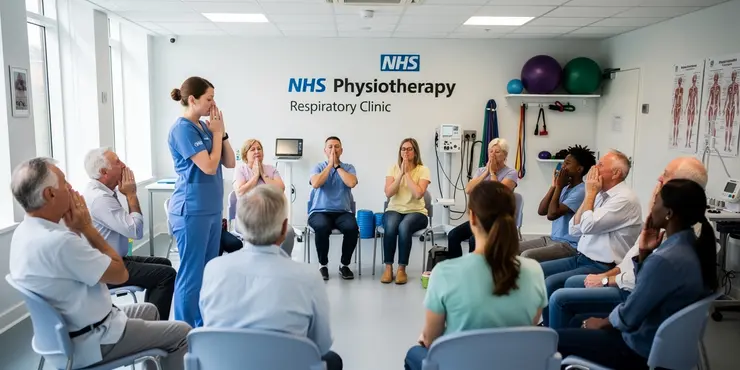
Air physiotherapy incorporates a variety of techniques, including breathing exercises, chest physiotherapy, postural drainage, and physical exercise programs. These techniques help in clearing mucus from the lungs, improving ventilation, and strengthening the respiratory muscles. Some common exercises include diaphragmatic breathing, pursed-lip breathing, and controlled coughing.
By regularly engaging in these activities, individuals can potentially enhance their ability to clear their airways effectively. This is especially beneficial in preventing respiratory infections, as it reduces the risk of mucus buildup, which can serve as a breeding ground for bacteria and viruses.
Preventing Respiratory Infections
Respiratory infections are caused by viruses and bacteria that infiltrate the lungs and airways. Factors such as impaired lung function and mucus retention can increase susceptibility to these infections. Air physiotherapy aims to reduce these risks by improving lung efficiency and enhancing mucus clearance. For individuals with compromised lung function, regular physiotherapy can mitigate the risk of infections by maintaining clear airways.
Furthermore, during the winter months in the UK, the risk of respiratory infections typically increases. Engaging in preventive measures like air physiotherapy can play a crucial role in safeguarding respiratory health. Although it does not guarantee immunity from infections, it serves as a proactive approach to strengthening the respiratory system.
Scientific Support and Evidence
Studies have shown that pulmonary rehabilitation can lead to significant improvements in respiratory health outcomes. Research conducted on patients with chronic respiratory diseases has demonstrated improved lung function, reduced breathlessness, and a lower rate of hospital admissions due to respiratory infections. While the evidence primarily supports the benefits for those with chronic conditions, the principles of air physiotherapy can be beneficial to the general population as well.
In the UK, various healthcare providers offer pulmonary rehabilitation programs as part of their standard treatment for chronic respiratory conditions. Individuals are encouraged to undergo these programs under professional guidance to ensure optimal outcomes and safety.
Conclusion
Though air physiotherapy is not a standalone solution for preventing all types of respiratory infections, it is a valuable tool in maintaining healthy lung function. By keeping the airways clear and strengthening the respiratory muscles, air physiotherapy contributes to a reduced risk of infections. Residents in the UK, particularly those with existing respiratory conditions, may find significant benefits from incorporating such practices into their healthcare routine.
Introduction to Air Physiotherapy
Air physiotherapy helps your lungs work better. It is also called pulmonary rehabilitation. It is especially useful for people with breathing problems like COPD and asthma. The goal is to make it easier to breathe and feel better overall.
The Role of Air Physiotherapy in Respiratory Health
There are different exercises in air physiotherapy. These include breathing exercises, moving around, and helping clear your lungs. Some common exercises are deep breathing and blowing through your lips like you're blowing out a candle.
By doing these exercises, people can clear their lungs better. This helps prevent getting sick because germs like to grow in the sticky stuff in your lungs if it isn’t cleared out.
Preventing Respiratory Infections
Colds and infections in the lungs can be caused by germs. If your lungs are weak or if there is a lot of mucus, you might get sick more easily. Air physiotherapy helps keep your lungs clear so you don’t get sick as often. This is important in winter when people can get sick more easily.
Doing these exercises regularly doesn’t mean you will never get sick. But it helps your lungs stay strong.
Scientific Support and Evidence
Studies show that air physiotherapy can make your lungs work better. People with breathing problems feel less out of breath and go to the hospital less often. While it helps those with lung problems the most, everyone can benefit from these exercises.
In the UK, doctors and nurses often include air physiotherapy in their treatment plans. It’s important to do these exercises with a professional to stay safe.
Conclusion
Air physiotherapy is a useful way to keep your lungs healthy. It is not a cure-all, but it helps keep your lungs clear and strong. People in the UK with lung problems can benefit a lot by doing these exercises regularly.
Frequently Asked Questions
Air physiotherapy, often referred to as respiratory or pulmonary physiotherapy, involves exercises and techniques to improve lung function and breathing efficiency.
Air physiotherapy can help strengthen respiratory muscles and improve lung function, which may reduce susceptibility to infections, but it does not directly prevent infections.
It includes exercises that enhance lung capacity, airway clearance, and overall respiratory muscle strength, which supports better lung health and resilience.
Techniques include deep breathing exercises, chest physiotherapy, postural drainage, and the use of devices like incentive spirometers.
People with chronic respiratory conditions such as asthma, COPD, or cystic fibrosis, and those recovering from surgery or respiratory infections can benefit.
Yes, with appropriate modifications, children with respiratory conditions can benefit from air physiotherapy.
The frequency depends on individual health needs and should be determined by a healthcare professional, but daily practice is often recommended.
No, it complements medication by improving respiratory health, but does not replace the need for prescribed medications.
It should be supervised by a qualified physiotherapist, especially in individuals with severe respiratory conditions, to ensure exercises are done safely.
Yes, it can be beneficial in improving lung function, reducing breathlessness, and enhancing overall respiratory health in post-COVID recovery.
When done correctly, side effects are rare, but improper technique can lead to discomfort or muscle soreness.
It helps manage symptoms, improve respiratory efficiency, and enhance quality of life in chronic conditions like COPD and asthma.
While it strengthens respiratory muscles and may reduce the risk of infections, it does not directly enhance immune function.
Air physiotherapy specifically targets the lungs and respiratory system, while general physiotherapy addresses a broader range of physical rehabilitation needs.
It may help reduce symptoms and strengthen respiratory response, though it does not prevent the occurrence of seasonal illnesses.
Signs include chronic cough, frequent respiratory infections, shortness of breath, and difficulty clearing airways.
Improvements can vary but some individuals may notice benefits after a few weeks of regular practice.
Yes, it can be particularly beneficial for older adults by maintaining lung function and reducing the risk of respiratory complications.
Coverage varies depending on the health insurance policy and the condition being treated, so it's best to check with the insurer.
Some exercises can be done at home after proper instruction from a physiotherapist to ensure they are performed safely and effectively.
Air physiotherapy is also called breathing exercises. It helps your lungs work better and helps you breathe easier.
Breathing exercises can make your breathing muscles stronger and help your lungs work better. This can help you get sick less often, but it doesn't stop you from getting sick altogether.
These exercises help your lungs work better. They make your lungs stronger, help you breathe easier, and keep your breathing muscles fit and healthy.
There are different ways to help with breathing. These include:
- Deep breathing exercises. These help you take big breaths.
- Chest physiotherapy. This is a type of massage for your chest.
- Postural drainage. This is moving your body to help clear your chest.
- Incentive spirometers. This is a tool you blow into to help you breathe better.
People who have breathing problems like asthma, COPD, or cystic fibrosis can get help. Also, people getting better after surgery or a cold can find it helpful too.
Yes, children with breathing problems can get better with special air exercises. It helps if we make some small changes for them.
How often you do this depends on your health. A doctor or nurse can help you decide. But doing it every day is usually a good idea.
No, it does not replace your medicine. It helps you breathe better along with your medicine. Always take the medicine your doctor gives you.
A trained physiotherapist should watch over it. This is important for people with bad breathing problems. They help to make sure exercises are done safely.
Yes, it helps your lungs work better. It also makes it easier to breathe and helps you get better after having COVID.
If you do it right, you won't have side effects often. But if you do it wrong, it might hurt or make your muscles sore.
This helps you feel better, breathe easier, and live happier if you have long-term breathing problems like COPD or asthma.
It helps your breathing muscles get stronger and might help you get sick less often, but it doesn’t make your body fight germs better.
Air physiotherapy helps the lungs and breathing system. Regular physiotherapy helps with many body problems.
It can help you feel better and make your breathing strong. But it won't stop you from getting sick during the seasons when many people get colds.
Some signs are a long-lasting cough, getting chest infections a lot, having trouble breathing, and finding it hard to clear your throat or airways.
Noticing improvements can be different for everyone. Some people might see changes after practicing regularly for a few weeks.
Yes, it is good for older people. It helps keep their lungs healthy and lowers the chance of breathing problems.
What your health plan covers can be different, based on the health plan and what needs care. It’s a good idea to ask the insurance company to find out.
You can do some exercises at home. It's important to have a physiotherapist show you how to do them first. This way, you stay safe and do the exercises correctly.

Ergsy Search Results
This website offers general information and is not a substitute for professional advice.
Always seek guidance from qualified professionals.
If you have any medical concerns or need urgent help, contact a healthcare professional or emergency services immediately.
Some of this content was generated with AI assistance. We've done our best to keep it accurate, helpful, and human-friendly.
- Ergsy carefully checks the information in the videos we provide here.
- Videos shown by Youtube after a video has completed, have NOT been reviewed by ERGSY.
- To view, click the arrow in centre of video.
- Most of the videos you find here will have subtitles and/or closed captions available.
- You may need to turn these on, and choose your preferred language.
- Go to the video you'd like to watch.
- If closed captions (CC) are available, settings will be visible on the bottom right of the video player.
- To turn on Captions, click settings.
- To turn off Captions, click settings again.