
Get Answers
Introduction to Air Physiotherapy
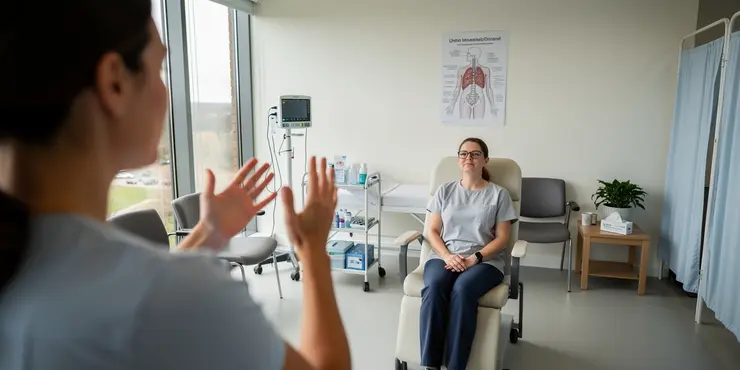
Air physiotherapy is a branch of physiotherapy that focuses on helping patients with respiratory issues improve their breathing function and overall lung health. The goal of this therapy is to enhance the respiratory system's efficiency, relieve breathing difficulties, and improve the quality of life for individuals with chronic or acute respiratory conditions.
Core Techniques in Air Physiotherapy
Air physiotherapy primarily involves a series of exercises and manual techniques designed to improve lung capacity and breathing efficiency. These may include breathing exercises, postural drainage, chest physiotherapy, and percussion techniques. Each of these methods aims to assist patients in clearing mucus from their airways, improving oxygenation, and reducing the work of breathing.
The Role of Medication in Air Physiotherapy
While air physiotherapy itself does not inherently involve the direct administration of medications, the therapeutic process can be complemented by medication as prescribed by healthcare professionals in certain cases. For instance, some patients with respiratory conditions such as asthma, chronic obstructive pulmonary disease (COPD), or cystic fibrosis may be prescribed bronchodilators, corticosteroids, or other medications to manage their condition.
Such medications are usually used to alleviate symptoms and enhance the effectiveness of physiotherapy by relaxing airways, reducing inflammation, or thinning mucus. The use of these medications is typically determined by a physician or respiratory specialist based on the individual's specific health needs.
Non-Medication Interventions
Air physiotherapy emphasizes non-medication interventions as a cornerstone for managing respiratory conditions. Techniques like breathing exercises teach individuals how to control their breathing patterns, which can help reduce anxiety and improve physical endurance. Moreover, manual techniques can assist in the clearing of secretions from the lungs, providing relief from congestion and reducing the risk of infections.
Conclusion
In conclusion, air physiotherapy does not primarily involve medication; rather, it focuses on physical techniques and exercises to enhance respiratory health. However, medication may be an adjunct to therapy, improving the effectiveness of physiotherapy in managing respiratory conditions. The integration of medication into air physiotherapy depends on individual patient needs and professional medical advice. Overall, air physiotherapy offers a holistic approach to managing respiratory problems, emphasizing non-drug interventions for long-term benefits and improved quality of life.
Introduction to Air Physiotherapy
Air physiotherapy helps people with breathing problems. It makes it easier for them to breathe and keeps their lungs healthy. The goal is to help people breathe better and make their life easier if they have breathing issues.
Core Techniques in Air Physiotherapy
Air physiotherapy uses exercises and techniques to help the lungs. These include breathing exercises, body positions to help drain mucus, chest physiotherapy, and gentle tapping on the chest. These techniques help clear mucus, make breathing easier, and help the body get more oxygen.
The Role of Medication in Air Physiotherapy
Air physiotherapy does not usually include giving medicine directly. But, sometimes people with breathing problems like asthma or cystic fibrosis might need medicines to help. Medicines can help open up the airways, reduce swelling, or make mucus thinner. A doctor will decide if medicine is needed.
These medicines can help make air physiotherapy work better by relaxing the airways and making breathing easier.
Non-Medication Interventions
Air physiotherapy prefers non-drug methods to help breathing issues. Breathing exercises teach people how to breathe better and feel less anxious. Manual techniques help clear mucus from the lungs, relieving congestion and lowering infection risks.
Conclusion
Air physiotherapy mainly uses exercises and techniques to help breathing, not medicines. However, medicine can still be used if needed. Whether medicine is used depends on what each person needs and what their doctor advises. Air physiotherapy focuses on improving breathing without drugs for lasting health and better life quality.
Frequently Asked Questions
Air physiotherapy is a form of rehabilitation that focuses on using airflow-based techniques to aid in respiratory and physical health improvements.
No, air physiotherapy typically does not involve medication. It focuses on exercises and techniques to improve breathing and physical function.
Air physiotherapy works by using specific exercises and techniques that enhance lung function, improve breathing patterns, and increase overall physical endurance.
Individuals with respiratory conditions, athletes looking to improve performance, and those recovering from respiratory illness can benefit from air physiotherapy.
Techniques include diaphragmatic breathing, pursed-lip breathing, and exercises designed to strengthen respiratory muscles.
Air physiotherapy is not a substitute for medication but can be used alongside conventional treatments to enhance respiratory health.
In most cases, you do not need a prescription for air physiotherapy, but a referral from a healthcare provider may be beneficial.
Yes, many air physiotherapy exercises can be done at home under the guidance of a healthcare professional.
An air physiotherapy session typically lasts between 30 to 60 minutes, depending on the individual's needs.
Air physiotherapy is generally safe with minimal side effects, but it is important to perform exercises correctly to avoid strain.
Frequency depends on individual needs, but it is often recommended several times a week for best results.
Yes, children with certain respiratory conditions can benefit from air physiotherapy under the supervision of a qualified therapist.
Coverage varies by insurance plan, so it is best to check with your provider to see if air physiotherapy is included.
Yes, air physiotherapy can help individuals with asthma by improving lung function and teaching effective breathing techniques.
Wear comfortable, loose-fitting clothing that allows for easy movement during exercises.
Consult with a healthcare provider if you experience breathing difficulties, chronic respiratory issues, or need improvement in lung function.
Yes, air physiotherapy can be part of a comprehensive treatment plan and combined with other forms of rehabilitation.
An air physiotherapist should be a licensed healthcare professional with specialized training in respiratory therapy.
Certain conditions, such as recent surgery or severe cardiovascular issues, may contraindicate air physiotherapy. Always consult a physician.
You can find a qualified air physiotherapist by asking for referrals from your healthcare provider or searching through professional associations.
Air physiotherapy is a type of therapy. It helps you breathe better and move your body. It uses special ways to move air in and out of your lungs.
No, air physiotherapy usually does not use medicine. It helps you do exercises to breathe better and move your body more easily.
Air physiotherapy helps your lungs. It uses special exercises and ways to make breathing better and help you get stronger.
People who have trouble breathing, sports players who want to get better, and those getting well after being sick can feel better with special breathing exercises.
Here are some ways to help you breathe better:
1. Breathe Deep: This helps your tummy move up and down as you breathe.
2. Blow Out: Breathe in through your nose and gently blow out through your lips, like blowing out a candle.
3. Breathing Muscles Strong: Do exercises to make the muscles you use for breathing stronger.
You can try using videos or apps to guide you and remind you to practice.
Air physiotherapy does not replace medicine, but it can help when used with regular treatments to make breathing easier.
Usually, you don't need a doctor's letter to do air physiotherapy. But it can be helpful if a nurse or doctor tells you about it.
Yes, you can do many breathing exercises at home. A healthcare helper can show you how.
An air physiotherapy session usually takes 30 to 60 minutes. It depends on what each person needs.
Air physiotherapy is usually safe and doesn't have many problems. But it's important to do the exercises the right way so you don't get hurt.
How often you do this depends on what you need. But it is a good idea to do it a few times every week to get the best results.
Yes, air physiotherapy can help kids who have breathing problems. A trained therapist should always help them.
Different insurance plans cover different things. It is best to ask your insurance company if they pay for air physiotherapy.
Yes, special breathing exercises can help people with asthma. These exercises can make your lungs work better and teach you how to breathe the right way.
Wear clothes that are comfortable and not tight. This will help you move easily when you exercise.
Talk to a doctor if you have trouble breathing, have lung problems that last a long time, or need help to make your lungs work better.
Yes, air exercises can help you get better and work with other treatments.
An air physiotherapist is a trained helper who takes care of people’s breathing. They should have a special license, which means they have learned all about helping people breathe better.
Some people should not have air physiotherapy. This includes people who just had surgery or have serious heart problems. Always talk to your doctor first.
You can find a good air physiotherapist by asking your doctor for help or looking through special groups online.

Ergsy Search Results
This website offers general information and is not a substitute for professional advice.
Always seek guidance from qualified professionals.
If you have any medical concerns or need urgent help, contact a healthcare professional or emergency services immediately.
Some of this content was generated with AI assistance. We've done our best to keep it accurate, helpful, and human-friendly.
- Ergsy carefully checks the information in the videos we provide here.
- Videos shown by Youtube after a video has completed, have NOT been reviewed by ERGSY.
- To view, click the arrow in centre of video.
- Most of the videos you find here will have subtitles and/or closed captions available.
- You may need to turn these on, and choose your preferred language.
- Go to the video you'd like to watch.
- If closed captions (CC) are available, settings will be visible on the bottom right of the video player.
- To turn on Captions, click settings.
- To turn off Captions, click settings again.