
Get Answers
Introduction to Air Physiotherapy
Air physiotherapy, also known as respiratory physiotherapy, is a specialized area of therapy aiming to improve respiratory function and overall lung health. It is particularly beneficial for patients with chronic respiratory conditions like asthma, chronic obstructive pulmonary disease (COPD), and cystic fibrosis. To achieve its goals, air physiotherapy employs various equipment designed to aid lung function, enhance breathing efficiency, and clear airway obstructions.
Breathing Trainers
Breathing trainers, or respiratory trainers, are handheld devices that help patients improve their lung capacity and breathing patterns. These devices offer resistance, forcing patients to exert more effort during inhalation or exhalation. Using devices such as the PowerBreathe or the Acapella can strengthen respiratory muscles and promote efficient breathing. In the UK, these trainers are commonly used by athletes and patients in rehabilitation.
Inhalers and Nebulizers
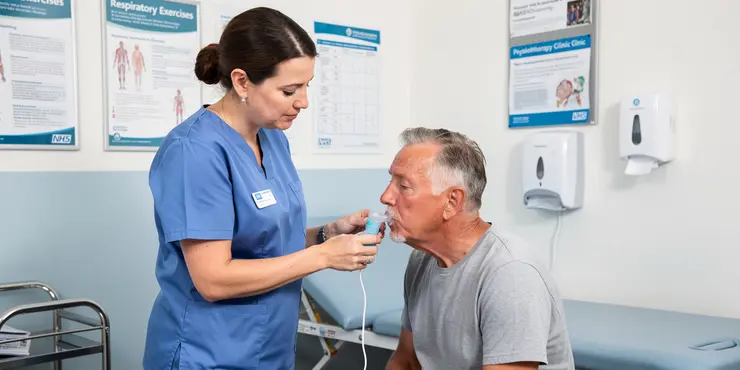
Inhalers and nebulizers are essential in delivering medication directly into the lungs. Inhalers, often prescribed for asthma, quickly deliver a specific dose of medication, providing immediate relief. Nebulizers convert liquid medication into a fine mist, making it easier for individuals with severe respiratory conditions to inhale deeply. These devices are crucial for managing symptoms and preventing respiratory distress.
Positive Expiratory Pressure (PEP) Devices
PEP devices are designed to create back pressure in the airways, helping to keep them open during exhalation. This process aids in loosening mucus and improving airway clearance. Devices like the Flutter, Aerobika, or PEP masks are often used in the UK to assist patients with cystic fibrosis or bronchiectasis in maintaining clear airways.
Oxygen Therapy Equipment
Oxygen therapy plays a vital role in air physiotherapy for patients with low blood oxygen levels. Equipment such as oxygen concentrators and portable oxygen cylinders ensure patients receive adequate oxygen. These devices are particularly essential for individuals with severe COPD or those who require supplemental oxygen during exertion.
Monitoring Equipment
Monitoring equipment is crucial in assessing a patient's respiratory function and progress. Pulse oximeters measure oxygen saturation levels, while spirometers assess lung function by measuring the volume of air inhaled and exhaled. Regular monitoring helps physiotherapists tailor treatment plans and ensure patients are progressing appropriately.
Conclusion
Air physiotherapy relies on a diverse range of equipment to manage and treat respiratory conditions effectively. In the UK, the use of these tools helps enhance the quality of life for individuals struggling with breathing difficulties. With the right combination of therapy and equipment, patients can achieve better respiratory health and improved overall well-being.
What is Air Physiotherapy?
Air physiotherapy helps people with breathing. It makes lungs healthier. It is good for people with problems like asthma or cystic fibrosis. Special tools are used to help people breathe better and clear their airways.
Breathing Trainers
Breathing trainers are small tools you hold in your hand. They help you breathe better. These tools make your breathing muscles stronger. Tools like PowerBreathe and Acapella are used. Athletes and people in recovery use these in the UK.
Inhalers and Nebulizers
Inhalers and nebulizers give medicine directly to the lungs. Inhalers help quickly during asthma attacks. Nebulizers change liquid medicine into a mist so it's easy to breathe in. They are important for managing tough breathing problems.
Positive Expiratory Pressure (PEP) Devices
PEP devices keep airways open when you breathe out. They help loosen mucus. Devices like Flutter and Aerobika are used in the UK for people who need to keep their airways clear.
Oxygen Therapy Equipment
Oxygen therapy helps people with low oxygen levels. Machines like oxygen concentrators and portable oxygen tanks give extra oxygen. This is very important for people with conditions like COPD.
Monitoring Equipment
Monitoring tools help check how well someone's lungs work. Pulse oximeters check oxygen levels in the blood. Spirometers measure how much air you breathe in and out. These tools help doctors make the best treatment plan.
Conclusion
Air physiotherapy uses a lot of different tools to help people breathe better. In the UK, these tools are used to improve life for people with breathing problems. With the right help, people can have healthier lungs and feel better.
Frequently Asked Questions
Air physiotherapy involves exercises and treatments conducted in a suspended environment, often using aerial and therapeutic equipment to enhance movement and rehabilitation.
Specialized aerial yoga or therapeutic hammocks made from strong, soft fabric are used, designed to support body weight and assist in exercises.
Yes, aerial silks are used to support the body in various positions, allowing for a range of motion and strength-building exercises.
Safety harnesses, crash mats, and secure anchor points are essential to ensure stability and safety during exercises.
Carabiners are used to connect hammocks and silks to anchor points, providing a secure attachment that can bear significant weight.
Swivel devices allow for smooth rotation and movement when suspended, helping in exercises that require body rotation.
Crash mats provide cushioning to protect against falls and reduce the chance of injury during suspended exercises.
While they can be used on the ground for some exercises, they do not replace crash mats for suspended activities due to their lack of cushioning.
Anchor points are securely installed in ceilings or structures to hold hammocks and silks safely during exercises.
Yes, resistance bands can be incorporated to provide additional resistance and support during exercises.
A trapeze can be used to help improve strength, flexibility, and balance through aerial exercises.
Pilates rings, exercise balls, and balance boards might also be used for holistic training and rehabilitation.
Exercises include inversion therapy, stretches, and strength-building movements to enhance flexibility and core stability.
While both use similar equipment, aerial yoga focuses on fitness and flexibility, whereas air physiotherapy targets rehabilitation and therapeutic outcomes.
Yes, it often complements physical and occupational therapy, providing a unique approach to movement rehabilitation.
Therapists should have specialized training in both physiotherapy and aerial equipment safety to ensure effective and safe practice.
Aerial hammocks help in spinal decompression, improving flexibility, increasing core strength, and reducing pressure on joints.
Yes, under professional supervision and with properly sized equipment, children can benefit from air physiotherapy exercises.
With adaptations and safety precautions, air physiotherapy can benefit elderly individuals by improving balance, strength, and flexibility.
Conditions such as chronic pain, musculoskeletal injuries, post-surgical rehabilitation, and balance disorders can benefit from air physiotherapy.
Air physiotherapy is a type of exercise and treatment. You do it while being lifted up in the air. You might use special equipment to help you move and get better.
Here are some tips to help:
- Use simple videos to see how exercises are done.
- Ask a helper or a therapist to guide you.
- Take things slow and don't rush.
Special hammocks are used for aerial yoga. They are strong and soft. These hammocks hold your weight and help you do exercises.
Yes, aerial silks help hold your body in different ways. You can do many moves and exercises to get stronger with them.
Using safety belts, soft mats, and strong anchor points is important to keep you safe when you exercise.
Carabiners are special clips used to attach hammocks and fabric to strong points. They make sure everything stays safe and can hold a lot of weight.
Swivel devices help things turn and move smoothly. They are useful for exercises where you need to spin your body around.
Crash mats are soft pads. They help keep you safe if you fall. They lower the risk of getting hurt when you do exercises in the air.
You can use them on the ground for some exercises. But they do not work like crash mats for hanging activities because they are not as soft.
Anchor points are strong spots in ceilings or buildings. They keep hammocks and silks safe during exercises.
Yes, you can use resistance bands to make your exercises better. They help by adding extra pull and support.
A trapeze is a strong bar used for fun exercises in the air. It can help you get stronger, move better, and keep your balance.
You can use pilates rings, exercise balls, and balance boards to help your whole body and for getting better after an injury.
Try exercises like hanging upside down, stretching, and doing simple exercises to make your body stronger and more flexible. These can help make your tummy muscles stronger too.
Both aerial yoga and air physiotherapy use the same types of gear. But they are different.
Aerial yoga helps you get fit and bendy.
Air physiotherapy helps with healing and feeling better after injuries.
If you want help, you can use pictures or videos to show the exercises.
Or ask someone to help you with the moves.
Yes, it can help with physical and occupational therapy. It uses special ways to help people move better.
Therapists need special training. They should learn about body exercises and staying safe with aerial equipment. This helps them work well and keep everyone safe.
Aerial hammocks are good for your body. They can help stretch your spine, make your body more bendy, make your tummy muscles stronger, and take pressure off your joints.
Yes, with a trained adult's help and the right-sized tools, kids can do air physiotherapy exercises to feel better.
Air physiotherapy can help older people. It makes them better at balancing, stronger, and more flexible. We just need to make sure it is safe for them.
Air physiotherapy can help people with long-lasting pain, injuries to muscles and bones, recovery after surgery, and problems with balance.

Ergsy Search Results
This website offers general information and is not a substitute for professional advice.
Always seek guidance from qualified professionals.
If you have any medical concerns or need urgent help, contact a healthcare professional or emergency services immediately.
Some of this content was generated with AI assistance. We've done our best to keep it accurate, helpful, and human-friendly.
- Ergsy carefully checks the information in the videos we provide here.
- Videos shown by Youtube after a video has completed, have NOT been reviewed by ERGSY.
- To view, click the arrow in centre of video.
- Most of the videos you find here will have subtitles and/or closed captions available.
- You may need to turn these on, and choose your preferred language.
- Go to the video you'd like to watch.
- If closed captions (CC) are available, settings will be visible on the bottom right of the video player.
- To turn on Captions, click settings.
- To turn off Captions, click settings again.