
Get Answers
What is Mobility Equipment?
Mobility equipment refers to a variety of devices designed to assist individuals who experience difficulty with movement. These aids are essential for empowering people with disabilities, injuries, or age-related limitations, allowing them to maintain independence and improve their quality of life. From simple tools to advanced machinery, mobility equipment comes in various forms, each tailored to specific needs and challenges.
Types of Mobility Equipment
There are several types of mobility equipment available, each serving different purposes. Some of the most common mobility aids include:
Wheelchairs: Wheelchairs are essential for individuals who cannot walk or have severe difficulty walking. They come in manual and powered forms, providing flexibility depending on the user's needs. Manual wheelchairs require the user to propel themselves or rely on assistance, while electric wheelchairs offer efficient, joystick-controlled movement.
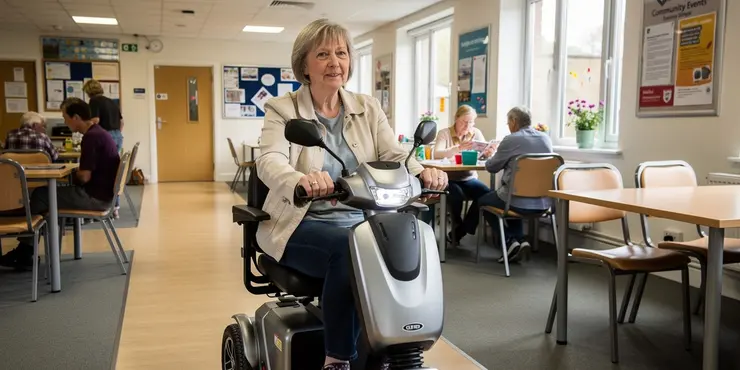
Mobility Scooters: Similar to powered wheelchairs, mobility scooters are designed for individuals who can sit upright but have limited walking ability. They are typically used for outdoor travel and longer distances, equipped with handlebars for steering rather than a joystick.
Walking Aids: Walking aids include items like canes, crutches, and walkers, which provide support and stability for individuals who can walk but need assistance. These aids help users balance, reduce the risk of falls, and decrease the weight borne by their lower limbs.
Lift Chairs: Lift chairs are motorised chairs that assist individuals in sitting down or standing up. They are particularly beneficial for those with limited lower body strength, providing comfort and safety in everyday seating.
Stairlifts: Stairlifts are installed along staircases to allow users to move between floors in a seated position. They are crucial for homes with multiple levels and for those unable to navigate stairs safely.
Benefits of Mobility Equipment
Using mobility equipment offers numerous benefits, extending beyond mere physical support. It enhances independence, allowing individuals to perform daily tasks without constant assistance. This increase in autonomy boosts confidence and emotional wellbeing by promoting self-reliance. Furthermore, mobility aids help reduce the risk of injuries from falls, which are common among those with movement challenges. By providing stability and support, these devices make environments safer and more accessible.
Choosing the Right Mobility Equipment
Selecting the appropriate mobility equipment depends on the individual's specific needs and living environment. Consultation with healthcare professionals, such as occupational therapists or physiotherapists, is often necessary to determine the most suitable options. Factors such as mobility level, strength, and lifestyle should be considered when choosing equipment. Additionally, contacting suppliers to explore equipment trials or demonstrations can be valuable in making informed decisions.
Conclusion
Mobility equipment plays a vital role in the daily lives of those requiring movement assistance. By understanding the various types available and their benefits, individuals and caregivers can make informed choices that enhance freedom, safety, and quality of life. Access to appropriate mobility aids not only empowers users but also broadens their opportunities for social engagement and participation in community life.
What is Mobility Equipment?
Mobility equipment includes tools and devices that help people move around. These are for people who find it hard to walk or move because of disabilities, injuries, or getting older. Mobility equipment helps people stay independent and have a better life. There are many types of these tools, each made for different needs.
Types of Mobility Equipment
There are different types of mobility equipment, each helping in different ways. Here are some common ones:
Wheelchairs: Wheelchairs help people who cannot walk or find walking very hard. They can be pushed by hand (manual) or moved with a battery (electric). Electric wheelchairs use a joystick to move.
Mobility Scooters: These are like electric wheelchairs. They help people who can sit up but cannot walk far. Scooters are usually used outside and have handlebars to steer.
Walking Aids: Walking aids include canes, crutches, and walkers. They help people who can walk but need extra support. These aids help with balance and prevent falls.
Lift Chairs: Lift chairs are special chairs that help people sit down and stand up easily. They are helpful for people who have trouble with their legs.
Stairlifts: Stairlifts help people move up and down stairs easily. They are attached to the stairs, and the person sits on a seat that moves up and down.
Benefits of Mobility Equipment
Mobility equipment gives lots of benefits. It helps people do things on their own, without needing a lot of help. This makes people feel more confident and happy. Mobility aids also make it safer for people by reducing the chance of falls. They help make places easier to get around.
Choosing the Right Mobility Equipment
Choosing the right mobility equipment depends on what the person needs and where they live. It's good to talk to healthcare professionals like therapists to find the best option. Think about how much the person can move and how strong they are. Trying equipment from suppliers can help decide what works best.
Conclusion
Mobility equipment is very important for people who need help moving. Knowing about the different types and their benefits helps people make good choices. The right mobility aid helps people live more freely, safely, and enjoy their life more. It also helps them join in activities with others.
Frequently Asked Questions
Mobility equipment refers to various devices designed to help individuals with physical limitations move more freely and safely.
Individuals with disabilities, injuries, or age-related mobility challenges can benefit from using mobility equipment.
Common types include wheelchairs, walkers, canes, crutches, and mobility scooters.
Choosing the right mobility equipment depends on the individual's specific needs, preferences, and medical advice.
A prescription is not always needed, but it's recommended to consult with a healthcare provider to ensure proper choice and use.
A manual wheelchair is propelled by the user or an attendant, while an electric wheelchair is powered by a motor and requires less physical effort to operate.
Yes, many mobility devices can be customized or adjusted to fit the unique needs of the user.
While both are motorized, mobility scooters typically have a steering handle and are used by individuals with some upper body strength, unlike electric wheelchairs that have a joystick control.
Key features to consider include height adjustability, weight capacity, foldability, and add-on options such as seats or wheels.
Mobility equipment can enhance independence, safety, and accessibility, significantly improving the user's quality of life.
Yes, some insurance plans, Medicare, Medicaid, and local assistance programs may cover the cost of mobility equipment.
Regular inspection, cleaning, and servicing by a professional can help maintain the equipment’s functionality and longevity.
Users should ensure the device is in good condition, understand how to operate it, and avoid unsafe terrains or situations.
Some healthcare providers and rehabilitation centers offer training programs to help individuals learn to use mobility equipment effectively.
Costs can vary widely depending on the type and features, with walkers typically costing less and motorized devices being more expensive.
Yes, many suppliers offer rental options for short-term or trial use of mobility equipment.
Consider the size, weight, and ease of disassembly, as well as the availability of accommodations during transit.
Consulting with a healthcare professional to assess mobility needs and testing different equipment can help determine the best fit.
Yes, mobility equipment is available for children and is designed to accommodate their smaller size and growth potential.
Recent innovations include smart wheelchairs, lightweight materials, and improved battery technologies in motorized devices.
Mobility equipment includes different tools that help people move around if they find it hard to do so by themselves. These tools make moving safer and easier.
Some people might find it hard to move around because they are older, have disabilities, or have been hurt. These people can use special equipment to help them move more easily.
Here are some things that help people move:
- Wheelchairs
- Walkers
- Canes
- Crutches
- Mobility scooters
Picking the best moving help depends on what the person needs, likes, and what the doctor says.
You don't always need a prescription. But it's a good idea to talk to a doctor or healthcare worker. They can help you make the best choice and learn how to use it well.
A manual wheelchair is moved by the person using it or someone helping them. An electric wheelchair runs on a battery and motor, so it's easier to use because you don't have to push it.
Yes, lots of mobility devices can be changed to fit what you need.
Both mobility scooters and electric wheelchairs have motors.
Mobility scooters have a steering handle. You need some strength in your arms to use them.
Electric wheelchairs use a joystick to move.
Things to think about are how high you can make it, how much weight it can hold, if you can fold it, and extras like seats or wheels.
Mobility equipment helps people move around. It makes life better by letting them do things on their own, keeping them safe, and making places easier to go.
Yes, some insurance plans can pay for mobility equipment. This includes plans like Medicare, Medicaid, and local help programs.
Get a professional to check, clean, and fix your equipment regularly. This helps it work well and last a long time.
Make sure your device is working well. Learn how to use it safely. Stay away from places that are not safe.
Some doctors and care centers have training programs. These programs help people learn how to use equipment that helps them move better.
How much things cost can be different. Simple walkers cost less money. Motorized devices cost more money because they have more features.
Yes, lots of places let you rent mobility equipment for a short time or to try it out.
If you need help reading, you can ask someone to read it with you.
You can also use a text-to-speech app to listen to the words.
Think about how big and heavy something is, and how easy it is to take apart. Also, check if there are places to stay while you travel.
Talk to a doctor or nurse to see what you need to move around. Try out different tools to see which one works best for you.
Yes, there are special tools to help kids move around. These tools are made to fit kids because they are smaller and still growing.
New ideas include smart wheelchairs, light materials, and better batteries in powered devices.

Ergsy Search Results
This website offers general information and is not a substitute for professional advice.
Always seek guidance from qualified professionals.
If you have any medical concerns or need urgent help, contact a healthcare professional or emergency services immediately.
Some of this content was generated with AI assistance. We've done our best to keep it accurate, helpful, and human-friendly.
- Ergsy carefully checks the information in the videos we provide here.
- Videos shown by Youtube after a video has completed, have NOT been reviewed by ERGSY.
- To view, click the arrow in centre of video.
- Most of the videos you find here will have subtitles and/or closed captions available.
- You may need to turn these on, and choose your preferred language.
- Go to the video you'd like to watch.
- If closed captions (CC) are available, settings will be visible on the bottom right of the video player.
- To turn on Captions, click settings.
- To turn off Captions, click settings again.