
Get Answers
Overview of Financial Assistance for Mobility Equipment in the UK
The UK offers several financial assistance programs to support those who need mobility equipment, such as wheelchairs, scooters, and other aids. These programs aim to help individuals maintain independence and improve their quality of life. Financial support can be obtained through government schemes, charitable organizations, and healthcare provisions.
Government-Funded Programs
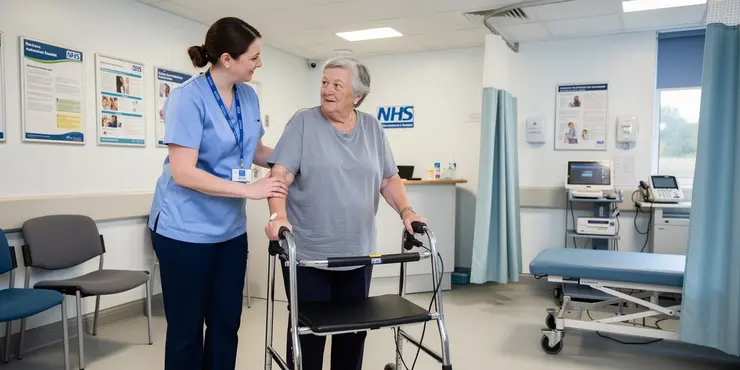
The National Health Service (NHS) is a primary source of financial assistance for mobility equipment. The NHS Wheelchair Service assesses individuals to ensure they receive the appropriate equipment for their needs. Eligible patients can receive wheelchairs at no cost or on a loan basis. Additionally, the Motability Scheme provides an opportunity for disabled individuals to use their higher rate mobility allowance to lease a vehicle, scooter, or powered wheelchair.
Local Authority Support
Local councils in the UK may offer grants or financial assistance for home adaptations and mobility equipment through Disabled Facilities Grants (DFG). These grants are means-tested and can be used to fund major adaptations that enhance accessibility within the home, such as stairlifts and ramps. Applicants should contact their local social services or occupational therapy departments to start the assessment and application process.
Charitable Organizations
Several charities in the UK provide financial aid or support for acquiring mobility equipment. The British Red Cross offers a short-term wheelchair loan service, while other organizations like Independence at Home and Disabled Living Foundation may provide grants or advice on suitable equipment. Additionally, foundations such as the Family Fund offer financial aid specifically for families raising disabled or seriously ill children, which can be used to purchase mobility aids.
VAT Relief
Individuals acquiring mobility equipment in the UK may qualify for VAT relief, which allows eligible items to be purchased without the addition of VAT. This applies to products designed solely for disabled persons, such as wheelchairs or certain types of lifts. Buyers must provide a declaration of eligibility to the retailer to benefit from this relief.
Insurance and Payment Plans
For those who may not qualify for grants or donations, purchasing mobility equipment through insurance or financing plans is an option. Some insurance policies cover a portion of the cost for necessary medical equipment. Additionally, many retailers offer payment plans to spread the cost over time, making equipment more affordable for individuals on a budget.
Conclusion
Individuals in the UK seeking financial assistance for mobility equipment have multiple avenues available, including government schemes, local authority grants, and charitable organizations. Each option has specific eligibility requirements, and it is advisable to research and apply for several sources of support. This multi-faceted approach ensures that individuals can access the essential equipment they need to live independently and with dignity.
Help with Money for Mobility Equipment in the UK
In the UK, there are ways to get help paying for mobility equipment like wheelchairs and scooters. These programs help people stay independent and improve their lives. You can get help from the government, charities, and health services.
Help from the Government
The NHS is a big source of help for mobility equipment. They have a Wheelchair Service that checks what you need and helps you get it for free or as a loan. The Motability Scheme lets people use their mobility allowance to lease a car, scooter, or powered wheelchair.
Help from Local Councils
Local councils might give money for home changes and mobility equipment through Disabled Facilities Grants (DFG). You can use this money for things like stairlifts and ramps. You should contact your local social services or occupational therapy departments to ask about getting this help.
Help from Charities
Some UK charities give money or advice for getting mobility equipment. The British Red Cross lets you borrow a wheelchair for a short time. Groups like Independence at Home and Disabled Living Foundation might give grants or advice. The Family Fund helps families with disabled or very sick children get mobility aids.
VAT Relief
When you buy mobility equipment in the UK, you might not have to pay VAT. This tax break applies to things made just for disabled people, like wheelchairs or lifts. You need to tell the seller you qualify to get this benefit.
Insurance and Payment Plans
If you can’t get a grant or donation, you might buy equipment using insurance or payment plans. Some insurance covers part of the cost. Also, many stores let you pay over time, which can make it less expensive month by month.
Conclusion
In the UK, there are many ways to get money help for mobility equipment, like government programs, local grants, and charities. Each one has its own rules, so it’s good to try several options. This way, you can get the equipment you need to live on your own with respect.
Frequently Asked Questions
Yes, many governments have programs that can help provide financial assistance for purchasing mobility equipment, such as Medicare and Medicaid in the United States.
Yes, Medicare Part B may cover some types of durable medical equipment, including wheelchairs and scooters, if they are deemed medically necessary.
Medicaid often covers mobility equipment, but coverage can vary by state and requires approval based on medical necessity.
Yes, numerous nonprofit organizations provide grants or donated equipment to those in need.
The Veterans Affairs (VA) provides benefits that may cover mobility equipment for veterans, including prosthetics and adaptive devices.
Yes, many states have their own programs to assist residents with disabilities in obtaining essential mobility equipment.
Many private insurance plans do cover mobility equipment, but coverage depends on the policy and often requires prior authorization.
Yes, some charitable foundations offer grants or financial assistance to individuals needing mobility devices.
In some regions, there may be tax credits or deductions available for medically necessary mobility equipment purchases.
Medicare Part B covers durable medical equipment considered medically necessary, but not all types are covered. Documentation from a healthcare provider is necessary.
Assistive technology loan programs offer low-interest loans to help individuals purchase needed mobility equipment and other assistive devices.
Yes, various organizations offer grants for those in need of mobility aids. Eligibility and availability can vary.
Many local communities have resources such as loan closets or exchange programs that provide or loan out mobility equipment.
Yes, several programs and charities specifically provide assistance for children requiring mobility devices.
Typically, a prescription or letter of medical necessity from a healthcare provider is required to apply for assistance.
Some programs may cover the rental or leasing of mobility equipment, which can be a cost-effective option.
While Social Security itself doesn't provide equipment, qualifying for disability benefits may help financially with related expenses.
Many individuals successfully use crowdfunding platforms to raise money for mobility equipment needs.
The process generally involves documentation from a healthcare provider, filling out application forms, and may require proof of income or need.
Yes, some manufacturers have programs to assist customers financially or offer payment plans to ease the purchase burden.
Yes, many governments have programs that can help people buy mobility equipment. In the United States, two programs that can help are called Medicare and Medicaid.
Yes, Medicare Part B can help pay for some equipment that lasts a long time, like wheelchairs and scooters. Your doctor needs to say you need it for your health.
Medicaid can pay for things like wheelchairs, but it might be different depending on where you live. You need to show it is important for your health to get help.
Yes, there are many groups that help people by giving money or free equipment.
The Veterans Affairs (VA) helps veterans. They might pay for things that help veterans move better, like special equipment and tools.
Yes, many states have programs to help people with disabilities get important equipment to help them move around.
Many private insurance companies help pay for mobility equipment. But it depends on your plan. You usually need to get permission from the insurance company first.
Yes, some charities give money to help people buy things like wheelchairs or other tools to help them move around.
Some places might let you pay less tax if you buy things that help you move around, and a doctor says you need them.
Medicare Part B helps pay for special medical tools if you need them. But, it does not pay for all kinds of tools. You need a note from your doctor saying you need it.
Assistive technology loan programs are there to help people buy special equipment that makes moving around easier. They offer loans with low interest, which means they are not expensive to pay back.
Yes, there are groups that give money to help people get things like wheelchairs. Who can get the money and how much is available can be different.
Many local groups have places where you can borrow things like wheelchairs or walking aids. These are called loan closets or exchange programs.
There are programs and charities that help kids who need things to help them move, like wheelchairs.
Usually, you need a note from your doctor to get help.
Some programs might help you rent or lease equipment that helps you move. This can save you money.
Social Security doesn't give you equipment, but if you get disability benefits, it might help you pay for things you need.
Lots of people use special websites to get money for things like wheelchairs or scooters.
The process usually needs a letter or paper from your doctor. You have to fill in some forms. You might also have to show how much money you make or why you need help.
Yes, some companies have programs to help customers with money. They can help pay for things and make buying easier.

Ergsy Search Results
This website offers general information and is not a substitute for professional advice.
Always seek guidance from qualified professionals.
If you have any medical concerns or need urgent help, contact a healthcare professional or emergency services immediately.
Some of this content was generated with AI assistance. We've done our best to keep it accurate, helpful, and human-friendly.
- Ergsy carefully checks the information in the videos we provide here.
- Videos shown by Youtube after a video has completed, have NOT been reviewed by ERGSY.
- To view, click the arrow in centre of video.
- Most of the videos you find here will have subtitles and/or closed captions available.
- You may need to turn these on, and choose your preferred language.
- Go to the video you'd like to watch.
- If closed captions (CC) are available, settings will be visible on the bottom right of the video player.
- To turn on Captions, click settings.
- To turn off Captions, click settings again.