
Get Answers
Introduction
Prostate cancer recovery can be a challenging journey, but certain lifestyle changes can help improve outcomes and enhance quality of life. By adopting a balanced diet, engaging in regular physical activity, and managing stress, patients can support their recovery process effectively. This guide provides insights into practical lifestyle adjustments that benefit those recovering from prostate cancer in the UK.
Healthy Diet
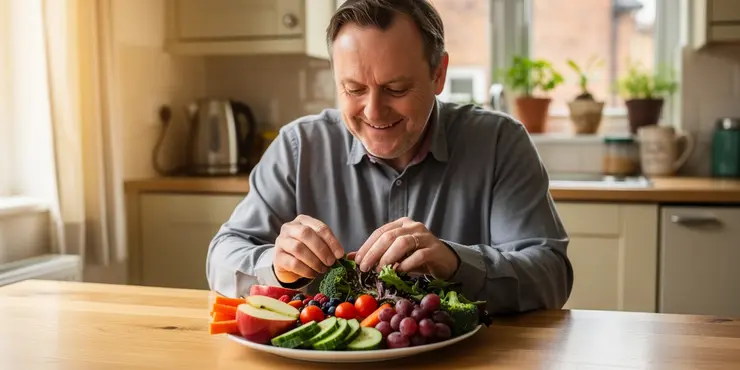
A nutritious diet plays a crucial role in prostate cancer recovery. Incorporating a variety of fruits and vegetables, whole grains, and lean proteins can aid in maintaining overall health. Aim to include foods high in antioxidants, such as tomatoes, berries, and leafy green vegetables, as they can help combat inflammation. Limiting red and processed meats and reducing dietary fat intake can also be beneficial.
Omega-3 fatty acids, found in fish like salmon and mackerel, are recommended for their anti-inflammatory properties. It’s also wise to monitor calcium intake; men recovering from prostate cancer should avoid excessive amounts of calcium supplements. Consulting a dietitian can provide personalized guidance tailored to individual nutritional needs.
Regular Physical Activity
Incorporating regular physical activity into daily routines is essential for improving prognosis and quality of life after prostate cancer treatment. Exercise helps maintain a healthy weight, boosts energy levels, and reduces the risk of cancer recurrence. Activities such as walking, swimming, and cycling are excellent low-impact options that can be adjusted to suit individual fitness levels.
The NHS recommends at least 150 minutes of moderate aerobic exercise or 75 minutes of vigorous exercise per week, alongside muscle-strengthening activities. Always consult a healthcare provider before beginning any new exercise programme to ensure it is safe and appropriate for your condition.
Stress Management
Managing stress effectively is vital for emotional wellbeing during prostate cancer recovery. High stress levels can negatively impact the immune system and overall recovery. Techniques such as mindfulness, meditation, and yoga are popular methods for reducing stress and promoting relaxation. Engaging in hobbies and activities that bring joy and fulfilment can also foster positive mental health.
Support groups, whether in-person or online, offer valuable platforms for sharing experiences and receiving encouragement from others who understand the journey. Speaking with mental health professionals can also provide strategies to manage anxiety and depression linked to prostate cancer recovery.
Conclusion
Lifestyle changes can significantly impact the recovery process after prostate cancer treatment. By adopting a nutritious diet, maintaining regular physical activity, and managing stress levels, those recovering from prostate cancer can enhance their wellbeing and support their long-term health. It is important to work closely with healthcare providers to tailor these recommendations to individual needs, ensuring a safe and effective recovery process.
Introduction
Getting better after prostate cancer can be hard, but making some changes in your life can help. Eating good food, moving your body often, and staying calm can make you feel better. This guide will show you simple ways to help people in the UK who are getting better after prostate cancer.
Healthy Diet
Eating healthy food is very important when getting better from prostate cancer. Try to eat lots of fruits and vegetables, whole grains, and lean proteins like chicken or fish. Foods like tomatoes, berries, and leafy green vegetables have things called antioxidants that help your body fight problems. Try not to eat too much red meat or fatty foods.
Fish like salmon and mackerel have Omega-3, which helps reduce swelling in the body. Be careful not to take too many calcium pills. Talking to a diet expert can help you eat the right foods for your needs.
Regular Physical Activity
Moving your body every day is important when you are getting better from prostate cancer. It helps you stay a healthy weight, feel more energetic, and keeps the cancer from coming back. You can try walking, swimming, or cycling, which are easy on the body.
The NHS says to do about 150 minutes of moderate exercise or 75 minutes of hard exercise each week, and also do some exercises to make your muscles stronger. Always ask your doctor before starting any new exercises to make sure they are safe for you.
Stress Management
Staying calm is very important when you are getting better from prostate cancer. Being too stressed can make it harder for your body to get better. Doing things like mindfulness, meditation, and yoga can help you relax. Doing hobbies you enjoy can also make you feel better.
Joining a support group, either in-person or online, lets you talk to others who know what you are going through. Talking to mental health experts can also help you deal with feelings of worry and sadness.
Conclusion
Changing your lifestyle can help you get better after prostate cancer treatment. Eating well, staying active, and managing stress can make you feel better and help you stay healthy. Work with your healthcare providers to find the best plan for you to make sure you recover safely.
Frequently Asked Questions
Incorporating more fruits, vegetables, and whole grains while reducing red and processed meats can be beneficial.
Regular physical activity can help manage weight, improve mood, and reduce fatigue, promoting overall well-being during recovery.
Maintaining a healthy weight can help reduce the risk of cancer recurrence and improve overall health outcomes.
Stress-reducing practices such as meditation, yoga, and deep breathing can improve mental health and enhance recovery.
Limiting alcohol can prevent negative interactions with medications and improve overall health.
Quitting smoking improves healing, reduces infection risk, and enhances overall survival.
Support groups can provide emotional support, information, and help reduce feelings of isolation.
Staying hydrated helps maintain kidney function and reduces treatment-related side effects.
Quality sleep aids in physical recovery, supports the immune system, and improves mental health.
Consulting with a healthcare provider before taking any supplements is crucial to avoid harmful interactions.
Managing comorbidities can improve overall health outcomes and reduce complication risks.
Regular follow-up appointments can help monitor recovery, manage side effects, and detect any recurrence early.
Balancing rest with moderate physical activity can help combat fatigue associated with cancer treatments.
Reducing caffeine can improve sleep quality and reduce anxiety levels during recovery.
A plant-based diet is high in nutrients and may help reduce inflammation and improve recovery.
Processed foods often contain unhealthy fats and chemicals that can negatively impact recovery.
Setting realistic goals can provide motivation and a sense of accomplishment, improving mental well-being.
Consulting with healthcare providers can provide guidance on safely navigating sexual health during recovery.
A positive mindset can lower stress levels and improve overall recovery outcomes.
Limiting foods high in sugar, unhealthy fats, and salt can support a healthier recovery environment.
Eating more fruits, vegetables, and whole grains is good for you. Try to eat less red meat and processed meats like sausages.
Doing exercise a lot can help you stay at a healthy weight. It can make you feel happier and less tired too. This helps you feel better when getting well after being sick.
Keeping a healthy weight can help lower the chance of cancer coming back. It also helps you stay healthy and feel better.
Doing things like meditation, yoga, and deep breathing can help you feel less stressed. These activities are good for your mind and can help you feel better faster.
Drinking less alcohol helps your medicine work well and keeps you healthy.
Stopping smoking helps you get better faster, lowers the chance of getting sick, and makes you live longer and healthier.
Support groups can help you feel better. They give you information and stop you from feeling lonely.
Drinking enough water helps your kidneys work well and can make you feel better if you are having medical treatment.
Good sleep helps your body fix itself, keeps you from getting sick, and makes you feel happy and calm.
It's important to talk to a doctor or nurse before taking any vitamins or pills to make sure they are safe.
Taking care of other health problems can make you feel better and help stop more health issues.
Going to the doctor for regular check-ups is important. These visits can help you get better, handle any side effects, and catch any problems early.
Getting rest and doing some light exercise can help if you are feeling very tired from cancer treatment.
Drinking less caffeine can help you sleep better and feel less worried while you get better.
A plant-based diet is good. It is full of important things our body needs, like vitamins. It can help us feel better if we're hurt or sick. It can also help stop swelling in the body.
Processed foods are not very good for you. They have bad fats and chemicals that can make it hard for your body to get better.
Setting goals you can reach helps you feel motivated and proud. This can make you feel better and happier inside.
Talking to doctors or nurses can help you stay safe when thinking about sex while getting better.
Thinking happy thoughts can help you feel less stressed and get better more quickly.
Eating less sugar, bad fats, and salt can help your body get better.

Ergsy Search Results
This website offers general information and is not a substitute for professional advice.
Always seek guidance from qualified professionals.
If you have any medical concerns or need urgent help, contact a healthcare professional or emergency services immediately.
Some of this content was generated with AI assistance. We've done our best to keep it accurate, helpful, and human-friendly.
- Ergsy carefully checks the information in the videos we provide here.
- Videos shown by Youtube after a video has completed, have NOT been reviewed by ERGSY.
- To view, click the arrow in centre of video.
- Most of the videos you find here will have subtitles and/or closed captions available.
- You may need to turn these on, and choose your preferred language.
- Go to the video you'd like to watch.
- If closed captions (CC) are available, settings will be visible on the bottom right of the video player.
- To turn on Captions, click settings.
- To turn off Captions, click settings again.