
Get Answers
Understanding C-Section Recovery
A Caesarean section, commonly known as a C-section, is a major surgical procedure performed to deliver a baby through incisions in the abdomen and uterus. The recovery process can be quite different from that of a vaginal birth. It is important for new mothers to understand what to expect during recovery to facilitate a smoother healing process.
Initial Post-Operative Period
Immediately following the procedure, the mother is taken to a recovery room where vital signs are monitored closely. This period usually lasts a few hours. The new mother may experience some side effects from the anaesthesia, such as nausea, dizziness, or itching. Pain relief is administered to manage post-operative discomfort. Most women are encouraged to begin gentle movement within the first 24 hours post-surgery, such as getting up and walking around. This helps reduce the risk of blood clots and aids in the recovery process.
Hospital Stay
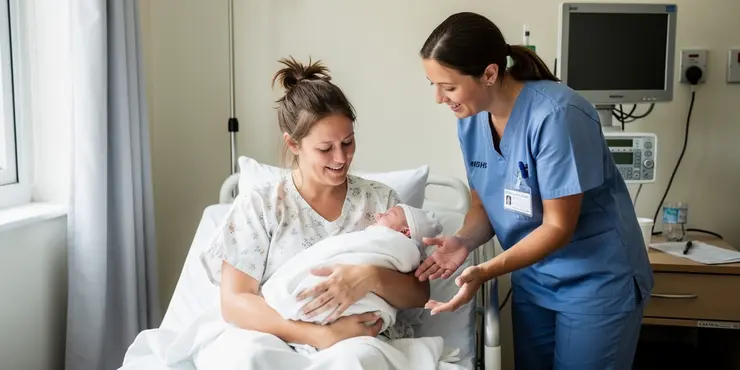
The typical hospital stay after a C-section in the UK is around 2 to 4 days. During this time, healthcare professionals provide care and support. They will monitor the incision site for any signs of infection and assist with breastfeeding and newborn care. It's important for mothers to ask for help and support with newborn care and consult with midwives or lactation consultants if they encounter any difficulties with breastfeeding.
Home Recovery
Once discharged, recovery continues at home. It can take about 6 weeks for the body to heal fully, though this varies for each individual. During this time, it’s crucial for mothers to avoid heavy lifting, strenuous exercise, and driving until advised by their healthcare provider. Adequate rest, nutrition, and hydration play a key role in the healing process. Mothers should pay attention to their body's signals and avoid overexertion.
Managing Pain and Discomfort
Pain management is an essential part of recovery. Pain relief medication is often prescribed and should be taken as directed to stay comfortable. Some women find support garments or abdominal binders helpful, as they provide physical support to the healing incision site. Applying a warm compress or taking prescribed pain relief can alleviate discomfort and aid mobility.
When to Seek Medical Advice
It’s important for mothers to know when to seek medical advice. Warning signs include fever, severe pain, redness or discharge from the incision site, or difficulty urinating. Any unusual symptoms should be reported to a healthcare provider promptly. Regular follow-ups are scheduled to check on the healing progress and to address any concerns the mother may have.
Emotional Well-being
Emotional recovery is just as important as physical healing. New mothers may experience a range of emotions post-surgery, from joy to anxiety. Support from family, friends, and healthcare professionals is invaluable. Postnatal depression or anxiety should not be ignored, and professional help should be sought if needed. Understanding that recovery takes time and being patient with oneself can make this period more manageable.
Understanding C-Section Recovery
A C-section is a big operation to help a mother deliver her baby. The doctor makes a cut in the mother's tummy to take out the baby. Recovery after a C-section is different from recovery after a regular birth. It's important for new mothers to know what happens during recovery so they can heal better.
Initial Post-Operative Period
Right after the C-section, the mother goes to a special room where nurses check her health closely. This can last for a few hours. The mother might feel sick, dizzy, or itchy because of the medicine she was given. She will get medicine to help with pain. Most mothers are told to start moving gently within a day, like getting up and walking a bit. This helps prevent blood clots and helps her recover.
Hospital Stay
Usually, mothers stay in the hospital for 2 to 4 days after a C-section. Nurses and doctors will take care of her and her baby. They will check the cut on her tummy for signs of infection and help with feeding the baby. It is important for mothers to ask for help. If they have trouble feeding the baby, they can talk to nurses or feeding experts.
Home Recovery
When mothers go home, they keep getting better there. It may take around 6 weeks to feel fully healed, but this can be different for everyone. During this time, mothers should not lift heavy things, exercise hard, or drive unless the doctor says it's okay. Resting, eating well, and drinking plenty of water are very important. Mothers should listen to their bodies and not do too much too soon.
Managing Pain and Discomfort
Taking care of pain is very important. Doctors give medicine to help with pain, and mothers should take it as told. Some women like using special belts to support their tummy as it heals. Using a warm cloth or taking the pain medicine can help feel better and move around more easily.
When to Seek Medical Advice
Mothers need to know when to call a doctor. If they have a fever, a lot of pain, redness or yucky stuff from the cut, or trouble peeing, they should call a doctor. If anything seems wrong, it is better to talk to a doctor quickly. Regular check-ups with the doctor help make sure everything is okay.
Emotional Well-being
Feeling good on the inside is just as important as healing on the outside. New mothers might feel happy, worried, or everything in between. Support from family and friends is very helpful. If mothers feel very sad or worried, they should talk to a doctor. Healing takes time, and being kind to themselves can help make things easier.
Frequently Asked Questions
The C-section recovery process after surgery usually involves rest, incision care, pain management, gradual walking, and monitoring for signs of complications. Most people stay in the hospital for a few days and then continue healing at home over several weeks.
The C-section recovery process usually takes about 6 to 8 weeks for basic healing, though full recovery can take longer. Energy levels, comfort, and incision healing may improve gradually during this time.
Mild to moderate soreness around the incision, cramping, gas pain, and discomfort when moving are common during the C-section recovery process. Pain should gradually improve, and severe or worsening pain should be reported to a healthcare provider.
During the C-section recovery process, keep the incision clean and dry, follow your provider's bathing instructions, and watch for redness, swelling, drainage, or opening of the wound. Avoid scrubbing the area and wear loose clothing to reduce irritation.
During the C-section recovery process, avoid heavy lifting, intense exercise, driving until cleared, and strenuous abdominal movements. It is also important to avoid sexual activity and tampon use until your healthcare provider says it is safe.
Driving during the C-section recovery process is usually possible once you can move comfortably, stop pain medication that causes drowsiness, and perform an emergency brake without pain. Many people need at least 1 to 2 weeks, but timing varies.
During the C-section recovery process, eat balanced meals with protein, fruits, vegetables, whole grains, and plenty of fluids to support healing and bowel function. Fiber-rich foods can help prevent constipation, which is common after surgery.
Constipation during the C-section recovery process can be reduced by drinking enough water, walking regularly, eating fiber, and using stool softeners if recommended by a provider. Pain medicines can contribute to constipation, so prevention is important.
Signs of infection during the C-section recovery process include fever, increasing redness, warmth, swelling, foul-smelling drainage, worsening pain, or pus at the incision. These symptoms should be checked by a healthcare provider promptly.
Urgent medical care during the C-section recovery process is needed for heavy bleeding, severe abdominal pain, chest pain, shortness of breath, leg swelling on one side, high fever, or a wound that opens. These may signal serious complications.
Pain during the C-section recovery process is often managed with prescribed or over-the-counter medications approved by a provider, along with rest, abdominal support when moving, and gentle walking. Following the dosing schedule can help keep pain under control.
Light walking can usually begin early in the C-section recovery process, but more intense exercise should wait until a healthcare provider confirms healing. Abdominal workouts and high-impact activities are usually delayed until recovery is well advanced.
Breastfeeding during the C-section recovery process is generally safe and can be started soon after birth if desired. Finding comfortable positions, using pillows for support, and managing pain can make nursing easier while healing.
During the C-section recovery process, mood swings, tearfulness, anxiety, and feeling overwhelmed can occur because of hormonal changes, pain, sleep loss, and adjustment to newborn care. Persistent sadness or hopelessness should be discussed with a provider.
Showering during the C-section recovery process is often allowed within a day or two, depending on provider instructions, while soaking in a bath or pool may need to wait longer. The incision should be patted dry gently afterward.
The C-section recovery process while caring for a newborn works best with help from family or friends for lifting, chores, and meal preparation. Keeping supplies nearby, resting when the baby sleeps, and avoiding overexertion can support healing.
Light to moderate vaginal bleeding or discharge, called lochia, is normal during the C-section recovery process and should gradually lessen over time. Bleeding that becomes very heavy, contains large clots, or has a bad odor should be evaluated.
Sexual activity during the C-section recovery process is usually delayed until after a healthcare provider clears it, often around 6 weeks or later. Healing, bleeding, pain, and emotional readiness all matter before resuming intercourse.
Follow-up appointments during the C-section recovery process help check incision healing, blood pressure, pain control, mood, and overall recovery. Keeping these visits is important even if recovery seems to be going well.
Scarring during the C-section recovery process may be minimized by protecting the incision from infection, following wound-care instructions, avoiding strain, and using scar care only when the provider says it is safe. Healing well early on can improve the appearance of the scar.

Ergsy Search Results
This website offers general information and is not a substitute for professional advice.
Always seek guidance from qualified professionals.
If you have any medical concerns or need urgent help, contact a healthcare professional or emergency services immediately.
Some of this content was generated with AI assistance. We've done our best to keep it accurate, helpful, and human-friendly.
- Ergsy carefully checks the information in the videos we provide here.
- Videos shown by Youtube after a video has completed, have NOT been reviewed by ERGSY.
- To view, click the arrow in centre of video.
- Most of the videos you find here will have subtitles and/or closed captions available.
- You may need to turn these on, and choose your preferred language.
- Go to the video you'd like to watch.
- If closed captions (CC) are available, settings will be visible on the bottom right of the video player.
- To turn on Captions, click settings.
- To turn off Captions, click settings again.