
Get Answers
Understanding Child Screenings
Screening is crucial for identifying potential health issues in children, especially those at risk. Early detection can lead to timely interventions, which are often more effective. A clear understanding of screening needs for at-risk children is essential for parents.
In the UK, the National Health Service (NHS) provides guidance on regular screenings. These guidelines help parents ensure that their children receive appropriate care and monitoring throughout their development.
Frequency of Screenings
The frequency of screenings for at-risk children depends on the specific condition they are at risk for. Some conditions may require more frequent monitoring than others. Consulting with healthcare providers is the best way to determine the optimal screening schedule.
In general, children at higher risk may need screenings every six months to a year. This schedule can change based on their health condition, age, and other risk factors.
Consulting Healthcare Professionals
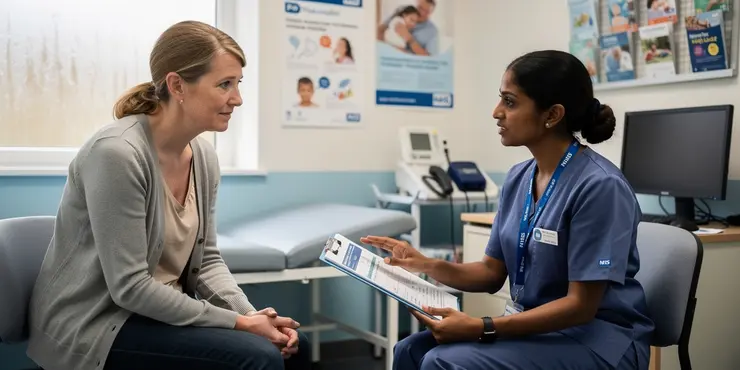
Regular consultations with healthcare professionals are essential for children at risk. Doctors can tailor the screening schedule to the child's specific needs. This personalized approach is crucial for maintaining the child's health effectively.
During these consultations, parents can discuss any concerns and understand what symptoms or changes to watch for. This proactive approach ensures that necessary screenings are conducted on time.
Types of Screenings
There are various types of screenings, each targeting different health aspects. For instance, children at risk of vision problems may require regular eye tests. Similarly, those at risk for developmental disorders might need behavior and developmental screenings.
Understanding the specific screenings needed for your child is important. Healthcare providers can offer detailed information on the types of screenings relevant to your child's risk factors.
Parental Involvement
Parents play a crucial role in the screening process. Being involved means staying informed about the recommended screenings and following up on any advice given by healthcare providers. This involvement is vital for the effective management of your child's health.
Keeping a record of all screenings and their outcomes helps track the child's health over time. This can provide valuable information for healthcare professionals during consultations.
Conclusion
For children at risk, regular screenings are a key aspect of preventive healthcare. Understanding the appropriate frequency and types of screenings can significantly impact their wellbeing.
By working closely with healthcare providers, parents can ensure their children receive the necessary screenings and interventions promptly. This collaborative approach is vital to safeguarding the child's health and development.
Frequently Asked Questions
Children at risk should be screened for developmental delays at regular intervals, typically at 9, 18, and 30 months, or as advised by their pediatrician.
Factors include the specific risk factors present, guidance from healthcare providers, the child’s age, family medical history, and any current health concerns.
Yes, children at risk for autism should undergo developmental surveillance and be screened at 18 and 24 months or if any concerns arise.
Vision screening should be conducted at least once every year if the child is at risk due to prematurity, family history of vision problems, or other risk factors.
Children at risk, such as those with a history of infections or family history of hearing loss, should have their hearing screened more frequently, typically every six months to a year.
At-risk children should have dental check-ups every six months or more frequently if advised by a dentist due to particular concerns.
Children at risk for obesity should have their BMI checked at least annually, with additional screenings as necessary for associated conditions like diabetes.
Anemia screening is recommended at 12 months, with more frequent screenings if the child has known risk factors such as pre-term birth or dietary insufficiencies.
Children at risk for lead exposure should be tested at 12 and 24 months, and more frequently if they live in high-risk areas or older buildings.
Children with a family history of high cholesterol or premature heart disease should have a lipid profile checked between 9 and 11 years and more frequently if abnormalities are found.
Children with asthma should have their condition reviewed every 3 to 6 months to ensure effective management and review of their treatment plan.
Children with a family history of type 1 diabetes may be evaluated annually for symptoms, with additional testing if symptoms present.
Children at risk for mental health issues should have regular evaluations, at least annually, or more frequently if previous concerns have been identified.
Yes, children with congenital heart risk factors may require echocardiograms and consultations with a cardiologist at regular intervals.
Children at risk for celiac disease, especially those with a family history, should be assessed if symptoms arise, with follow-up screenings if warranted.
Children at risk of hypertension should have their blood pressure checked at each annual checkup, or more frequently if there are concerns.
Testing frequency depends on age and symptoms; children at risk should be evaluated whenever new symptoms arise or following an allergist's schedule.
Yes, children at risk for scoliosis should be screened annually during growth spurts, typically between ages 10 and 15.
Children at risk, especially those with limited sun exposure or dietary intake, should have their vitamin D levels checked annually or as recommended by their physician.
The frequency depends on the specific condition and family history; genetic counseling may provide a personalized screening schedule.

Ergsy Search Results
This website offers general information and is not a substitute for professional advice.
Always seek guidance from qualified professionals.
If you have any medical concerns or need urgent help, contact a healthcare professional or emergency services immediately.
Some of this content was generated with AI assistance. We've done our best to keep it accurate, helpful, and human-friendly.
- Ergsy carefully checks the information in the videos we provide here.
- Videos shown by Youtube after a video has completed, have NOT been reviewed by ERGSY.
- To view, click the arrow in centre of video.
- Most of the videos you find here will have subtitles and/or closed captions available.
- You may need to turn these on, and choose your preferred language.
- Go to the video you'd like to watch.
- If closed captions (CC) are available, settings will be visible on the bottom right of the video player.
- To turn on Captions, click settings.
- To turn off Captions, click settings again.