
Find Help
More Items From Ergsy search
-
Should siblings of a child with type 1 diabetes also be screened?
Relevance: 100%
-
Should I screen my child for type 1 diabetes?
Relevance: 78%
-
At what age should my child be screened for type 1 diabetes?
Relevance: 73%
-
Why should I consider screening my child for type 1 diabetes?
Relevance: 68%
-
Where can I have my child screened for type 1 diabetes?
Relevance: 67%
-
What are the limitations of type 1 diabetes screening?
Relevance: 55%
-
Is Type 2 Diabetes hereditary?
Relevance: 53%
-
What does screening for type 1 diabetes involve?
Relevance: 53%
-
Does insurance cover type 1 diabetes screening?
Relevance: 52%
-
Are there any symptoms of type 1 diabetes I should watch for in my child?
Relevance: 51%
-
What lifestyle changes can lower my child's risk of type 1 diabetes?
Relevance: 47%
-
Derbyshire Diabetic Eye Screening - Diabetic Eye Screening
Relevance: 47%
-
Diabetes Eye Screening
Relevance: 46%
-
Is screening painful or risky for my child?
Relevance: 44%
-
How often should screening be conducted if my child is at risk?
Relevance: 44%
-
Is there a genetic predisposition to type 1 diabetes?
Relevance: 43%
-
Derbyshire Diabetic Eye Screening - Your Screening Appointment
Relevance: 42%
-
What happens if my child's screening results are positive?
Relevance: 42%
-
Type 1 Diabetes supporting adults to manage Type 1 diabetes
Relevance: 40%
-
What is type 1 diabetes?
Relevance: 39%
-
What is type 1 diabetes?
Relevance: 39%
-
What support is available for families dealing with type 1 diabetes?
Relevance: 39%
-
How to manage type 2 diabetes
Relevance: 39%
-
How is Type 2 Diabetes diagnosed?
Relevance: 38%
-
Can Type 2 Diabetes be prevented?
Relevance: 38%
-
What Is Type 2 Diabetes? | 2 Minute Guide | Diabetes UK
Relevance: 38%
-
What are the symptoms of Type 2 Diabetes?
Relevance: 38%
-
What is the difference between type 1 and type 2 diabetes?
Relevance: 38%
-
How is Type 2 Diabetes treated?
Relevance: 38%
-
How accurate are the tests for predicting type 1 diabetes?
Relevance: 38%
-
Is Ozempic suitable for type 1 diabetes?
Relevance: 37%
-
Derbyshire Diabetic Eye Screening - Assessment Clinic Appointment
Relevance: 37%
-
What causes Type 2 Diabetes?
Relevance: 37%
-
Can Type 2 Diabetes go away?
Relevance: 37%
-
North Yorkshire Diabetic Eye Screening Programme - A day in the life
Relevance: 36%
-
Can Mounjaro be used in type 1 diabetes?
Relevance: 36%
-
What complications are associated with Type 2 Diabetes?
Relevance: 35%
-
What is the role of insulin in Type 2 Diabetes?
Relevance: 35%
-
Can stress affect my Type 2 Diabetes?
Relevance: 35%
-
NHS Diabetes Prevention Programme; Preventing Type 2 and improving outcomes for people with diabetes
Relevance: 34%
The Rise of Type 1 Diabetes in Children
Type 1 diabetes is an autoimmune condition where the body attacks insulin-producing cells. It typically manifests in children and young adults.
In the UK, there has been an increasing awareness of this condition. Early diagnosis and management are crucial for maintaining a healthy lifestyle.
Family Risk Factors
Research indicates that genetics play a significant role in the onset of type 1 diabetes. Having a sibling with the condition increases the risk.
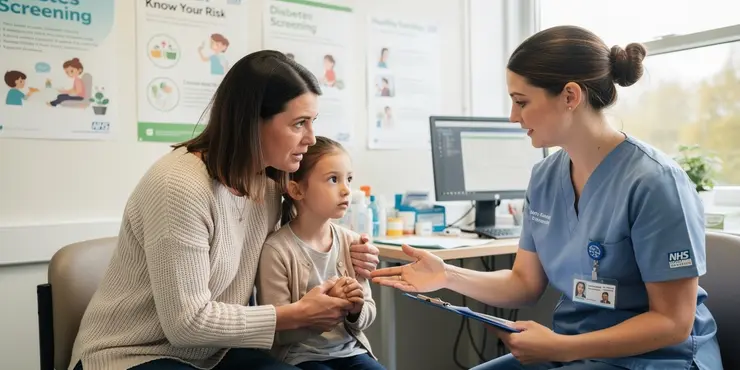
Parents and caregivers often question whether siblings should be screened. Identifying risk factors early can lead to better monitoring.
Screening Recommendations
Experts suggest screening siblings can be beneficial. It may not prevent the disease, but it can lead to earlier intervention.
The UK does not have a nationwide screening programme yet. Some healthcare providers offer screenings on an individual basis.
Benefits of Early Detection
Screening can help identify at-risk children before symptoms appear. This allows for close monitoring and potential lifestyle adjustments.
Early detection can also prepare families for managing the condition. It provides emotional and practical readiness to tackle diabetes proactively.
Concerns and Considerations
Parents might worry about the psychological impact of screening. Knowing their risk can cause anxiety in siblings.
Families must weigh the pros and cons. Discussions with healthcare professionals can help in making an informed decision.
Conclusion: Weighing the Decision
Screening siblings of children with type 1 diabetes has potential benefits. However, it is not a straightforward decision for every family.
Understanding risks, benefits, and psychological impacts is vital. Consultation with the NHS or a specialist can provide further guidance.
Frequently Asked Questions
What is type 1 diabetes?
Type 1 diabetes is an autoimmune condition where the body's immune system attacks insulin-producing cells in the pancreas, leading to high blood sugar levels.
Why consider screening siblings of a child with type 1 diabetes?
Siblings may have a higher risk of developing type 1 diabetes due to shared genetic factors, and early screening can help in early detection and management.
What are the benefits of early screening for type 1 diabetes?
Early screening can lead to monitoring for potential symptoms and may improve outcomes through early treatment and lifestyle adjustments.
What does screening for type 1 diabetes involve?
Screening typically involves blood tests to detect autoantibodies that indicate an increased risk of developing type 1 diabetes.
Are there any risks associated with screening for type 1 diabetes?
The primary risk is potential anxiety or stress from knowing there is a risk, but the blood test itself is generally safe.
At what age should siblings be screened for type 1 diabetes?
Screening can be done at a young age, even as early as when the sibling is still an infant, but some programs may recommend starting after age 2.
Is it mandatory to screen siblings of children with type 1 diabetes?
Screening is not mandatory; it is a personal choice made by the family, often after discussing with healthcare professionals.
How frequent should the screening be done?
Frequency of screening can vary based on risk factors and initial results, but some programs suggest annual or biannual screenings.
Does a positive screening result mean the sibling will definitely develop type 1 diabetes?
A positive result indicates increased risk but does not guarantee the development of type 1 diabetes.
What follow-up actions are recommended after a positive screening result?
Follow-up may include regular monitoring and potentially enrolling in clinical trials or preventive programs.
Can screening help in preventing type 1 diabetes?
While it cannot prevent the disease, early identification may help in the management of symptoms and delay the onset.
What is TrialNet and how is it related to screening?
TrialNet is a clinical research network focused on screening and studying individuals at risk to improve understanding and treatment of type 1 diabetes.
Is there a cost associated with type 1 diabetes screening for siblings?
Costs can vary, but many research programs offer free screening to incentivize participation and understanding of risk.
Can lifestyle changes impact the risk of developing type 1 diabetes in siblings?
While lifestyle changes alone cannot prevent type 1 diabetes, maintaining a healthy lifestyle is always beneficial to overall health.
How accurate is the screening for predicting type 1 diabetes?
The presence of specific autoantibodies can indicate risk, but not all who test positive will develop type 1 diabetes, so accuracy varies.
What genetic factors contribute to type 1 diabetes risk?
Genetic factors include certain HLA genotypes and family history, which significantly contribute to the risk.
Should screening be done only if there are symptoms?
Screening can be done regardless of symptoms, as it aims to identify risk before symptoms develop.
How can families prepare for screening results?
Families should discuss potential outcomes with healthcare providers and consider psychological support to manage stress associated with results.
Are there any ongoing research studies for siblings with increased risk?
Yes, many ongoing studies aim to better understand and prevent type 1 diabetes, such as those sponsored by TrialNet and other institutions.
Can environmental factors affect the risk of developing type 1 diabetes?
Yes, factors such as infections and dietary elements are believed to interact with genetic predispositions in type 1 diabetes development.

Useful Links
This website offers general information and is not a substitute for professional advice.
Always seek guidance from qualified professionals.
If you have any medical concerns or need urgent help, contact a healthcare professional or emergency services immediately.
- Ergsy carfully checks the information in the videos we provide here.
- Videos shown by Youtube after a video has completed, have NOT been reviewed by ERGSY.
- To view, click the arrow in centre of video.
- Most of the videos you find here will have subtitles and/or closed captions available.
- You may need to turn these on, and choose your preferred language.
- Go to the video you'd like to watch.
- If closed captions (CC) are available, settings will be visible on the bottom right of the video player.
- To turn on Captions, click settings .
- To turn off Captions, click settings again.
More Items From Ergsy search
-
Should siblings of a child with type 1 diabetes also be screened?
Relevance: 100%
-
Should I screen my child for type 1 diabetes?
Relevance: 78%
-
At what age should my child be screened for type 1 diabetes?
Relevance: 73%
-
Why should I consider screening my child for type 1 diabetes?
Relevance: 68%
-
Where can I have my child screened for type 1 diabetes?
Relevance: 67%
-
What are the limitations of type 1 diabetes screening?
Relevance: 55%
-
Is Type 2 Diabetes hereditary?
Relevance: 53%
-
What does screening for type 1 diabetes involve?
Relevance: 53%
-
Does insurance cover type 1 diabetes screening?
Relevance: 52%
-
Are there any symptoms of type 1 diabetes I should watch for in my child?
Relevance: 51%
-
What lifestyle changes can lower my child's risk of type 1 diabetes?
Relevance: 47%
-
Derbyshire Diabetic Eye Screening - Diabetic Eye Screening
Relevance: 47%
-
Diabetes Eye Screening
Relevance: 46%
-
Is screening painful or risky for my child?
Relevance: 44%
-
How often should screening be conducted if my child is at risk?
Relevance: 44%
-
Is there a genetic predisposition to type 1 diabetes?
Relevance: 43%
-
Derbyshire Diabetic Eye Screening - Your Screening Appointment
Relevance: 42%
-
What happens if my child's screening results are positive?
Relevance: 42%
-
Type 1 Diabetes supporting adults to manage Type 1 diabetes
Relevance: 40%
-
What is type 1 diabetes?
Relevance: 39%
-
What is type 1 diabetes?
Relevance: 39%
-
What support is available for families dealing with type 1 diabetes?
Relevance: 39%
-
How to manage type 2 diabetes
Relevance: 39%
-
How is Type 2 Diabetes diagnosed?
Relevance: 38%
-
Can Type 2 Diabetes be prevented?
Relevance: 38%
-
What Is Type 2 Diabetes? | 2 Minute Guide | Diabetes UK
Relevance: 38%
-
What are the symptoms of Type 2 Diabetes?
Relevance: 38%
-
What is the difference between type 1 and type 2 diabetes?
Relevance: 38%
-
How is Type 2 Diabetes treated?
Relevance: 38%
-
How accurate are the tests for predicting type 1 diabetes?
Relevance: 38%
-
Is Ozempic suitable for type 1 diabetes?
Relevance: 37%
-
Derbyshire Diabetic Eye Screening - Assessment Clinic Appointment
Relevance: 37%
-
What causes Type 2 Diabetes?
Relevance: 37%
-
Can Type 2 Diabetes go away?
Relevance: 37%
-
North Yorkshire Diabetic Eye Screening Programme - A day in the life
Relevance: 36%
-
Can Mounjaro be used in type 1 diabetes?
Relevance: 36%
-
What complications are associated with Type 2 Diabetes?
Relevance: 35%
-
What is the role of insulin in Type 2 Diabetes?
Relevance: 35%
-
Can stress affect my Type 2 Diabetes?
Relevance: 35%
-
NHS Diabetes Prevention Programme; Preventing Type 2 and improving outcomes for people with diabetes
Relevance: 34%


