
Get Answers
Hypotony versus Glaucoma: Understanding the Differences
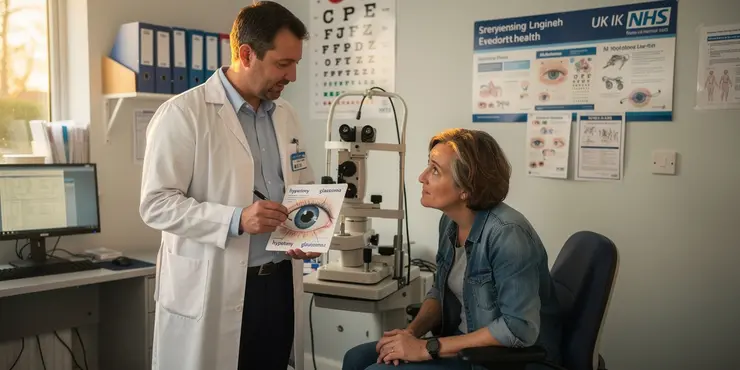
Hypotony and glaucoma are two distinct eye conditions, each with its unique causes and implications, yet they both involve intraocular pressure (IOP) issues. Understanding these differences is crucial for effectively diagnosing and managing each condition.
Hypotony refers to an abnormally low intraocular pressure, typically defined as an IOP less than 6 mmHg. This condition can lead to various complications if not addressed timely. Causes of hypotony include post-surgical complications, such as after glaucoma surgery, ocular trauma, or inflammatory conditions like uveitis. In hypotony, the eye struggles to maintain its shape and normal physiological functions due to insufficient pressure. This can result in vision problems such as blurred vision and can lead to more severe complications, including maculopathy, which can cause significant visual impairment.
On the other hand, glaucoma is characterised by damage to the optic nerve, often associated with elevated intraocular pressure. However, it's essential to note that glaucoma can occur even when IOP is within normal ranges, a condition known as normal-tension glaucoma. The most common type of glaucoma is open-angle glaucoma, a chronic condition that progresses slowly and often without noticeable symptoms until significant vision loss has occurred. The increased pressure damages the optic nerve fibers, leading to peripheral vision loss, and in advanced stages, potentially resulting in blindness if untreated.
The pathophysiology of hypotony and glaucoma differs significantly, influencing their management strategies. Hypotony management aims at restoring normal IOP to prevent structural and functional damage to the eye. Treatment options vary depending on the underlying cause and might include medications to reduce aqueous humour outflow, surgical intervention to correct structural damage, or addressing any inflammatory processes.
Conversely, managing glaucoma primarily focuses on lowering the IOP to prevent or reduce optic nerve damage. This can be achieved through medications, laser treatment, or surgical procedures designed to facilitate aqueous outflow or reduce production. Continuous monitoring is essential as glaucoma is a progressive condition requiring long-term management.
Recognising the symptoms and receiving appropriate treatment for either condition is critical. While hypotony might present with signs such as visual blurring or discomfort, glaucoma often remains asymptomatic in its early stages, emphasising the importance of regular eye examinations, especially for those at higher risk, such as individuals over 40, with a family history of glaucoma, or with other risk factors like diabetes.
In conclusion, while both hypotony and glaucoma involve intraocular pressure issues, they present with different clinical challenges and management approaches. Awareness and early detection are key to preventing the potential adverse outcomes associated with each condition, underlining the importance of regular eye care and consultative support from eye care professionals.
Frequently Asked Questions
Hypotony is a condition characterized by abnormally low intraocular pressure in the eye.
Glaucoma is a group of eye conditions that damage the optic nerve, often due to high intraocular pressure.
Hypotony can lead to vision problems, retinal detachment, and other structural changes in the eye due to lack of pressure.
Glaucoma can cause damage to the optic nerve, leading to vision loss and even blindness if untreated.
Hypotony can be caused by surgical complications, ocular trauma, inflammation, or some retinal conditions.
Glaucoma is primarily caused by increased intraocular pressure due to improper drainage of aqueous humor, but genetics and other factors can also contribute.
Hypotony is diagnosed by measuring the intraocular pressure and evaluating the structural integrity of the eye.
Glaucoma is diagnosed through comprehensive eye exams, including tests for intraocular pressure, optic nerve health, and visual field testing.
Yes, hypotony can lead to vision loss if the low pressure causes structural damage to the eye.
Yes, glaucoma can lead to irreversible vision loss, particularly when it is not detected and treated early.
Treatment for hypotony may include addressing the underlying cause, such as repairing surgical issues or managing inflammation.
Glaucoma treatment may include medications, laser therapy, or surgery to reduce intraocular pressure and prevent further optic nerve damage.
In terms of intraocular pressure, hypotony and glaucoma are opposites since hypotony involves low pressure and glaucoma typically involves high pressure.
It is rare, but possible, for conditions associated with each to coexist, such as fluctuating intraocular pressure.
Symptoms of hypotony may include blurred vision, discomfort, and visible changes in the eye structure.
Glaucoma may initially have no symptoms, but can progress to include vision loss, eye pain, and redness.
Hypotony can sometimes be corrected, especially if the underlying cause is treatable.
While the damage from glaucoma is not reversible, further vision loss can often be prevented with treatment.
Surgery, eye trauma, and chronic inflammation are notable risk factors for developing hypotony.
Risk factors for glaucoma include increased age, family history, certain medical conditions like diabetes, and high intraocular pressure.

Ergsy Search Results
This website offers general information and is not a substitute for professional advice.
Always seek guidance from qualified professionals.
If you have any medical concerns or need urgent help, contact a healthcare professional or emergency services immediately.
Some of this content was generated with AI assistance. We've done our best to keep it accurate, helpful, and human-friendly.
- Ergsy carefully checks the information in the videos we provide here.
- Videos shown by Youtube after a video has completed, have NOT been reviewed by ERGSY.
- To view, click the arrow in centre of video.
- Most of the videos you find here will have subtitles and/or closed captions available.
- You may need to turn these on, and choose your preferred language.
- Go to the video you'd like to watch.
- If closed captions (CC) are available, settings will be visible on the bottom right of the video player.
- To turn on Captions, click settings.
- To turn off Captions, click settings again.