
Get Answers
Understanding Hypotony and Its Prevention
Hypotony refers to abnormally low intraocular pressure (IOP) within the eye, which can lead to vision problems or even vision loss. While it can occur for a variety of reasons, such as post-surgical complications or certain eye diseases, there are measures that can be taken to minimize the risk. Understanding the potential causes and preventive strategies is essential for maintaining ocular health.
Common Causes of Hypotony
Hypotony often results from surgical interventions on the eye, particularly those aimed at treating glaucoma. Procedures like trabeculectomy and other glaucoma surgeries sometimes lower IOP excessively. Additionally, ocular trauma, inflammation, and chronic uveitis may contribute to the development of hypotony. In some cases, it may arise from overuse of medications that reduce IOP. Therefore, understanding these causes is a step towards prevention.
Strategies for Prevention
Preventing hypotony starts with meticulous surgical technique during eye surgery. Surgeons strive to balance the desired reduction in intraocular pressure without tipping it into hypotony. Pre-operative assessment and planning are crucial. Surgeons need to evaluate each patient individually, considering their specific risk factors for hypotony.
For those undergoing glaucoma surgery, less invasive procedures or those with adjustable features may be preferred. For example, glaucoma drainage devices with adjustable flow can help manage post-operative IOP more effectively.
Monitoring and follow-up care are vital components of prevention. Regular post-operative check-ups allow ophthalmologists to catch signs of developing hypotony early. If intraocular pressure begins to drop significantly, timely interventions, such as adjusting medications or considering further surgical revisions, can prevent progression.
Medications also play a role in prevention. Adjusting or carefully monitoring the use of IOP-lowering medications can help avoid potential overcorrection of pressure. Patients should have meticulous records of their medication regimens, and healthcare providers should remain vigilant for any adverse effects on eye pressure.
Role of Patient Awareness
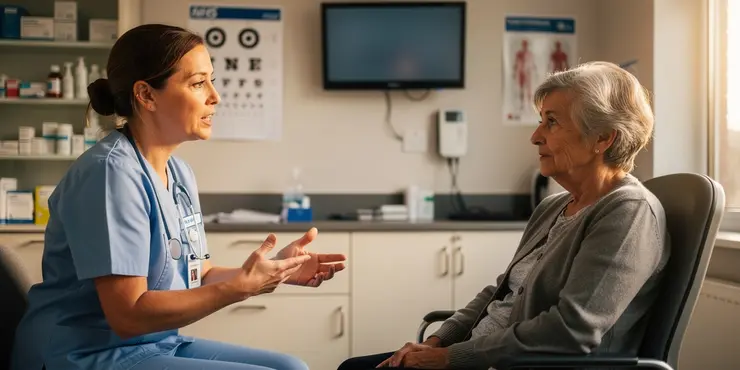
Patient education is an important element of prevention. Those at risk, especially individuals with glaucoma or those undergoing eye surgery, should be aware of the symptoms of hypotony, such as blurred vision, sensitivity to light, and headaches. Prompt reporting of such symptoms to healthcare professionals can lead to early intervention during the reversible stages of hypotony.
Concluding Thoughts
While not all cases of hypotony can be prevented, understanding its potential causes and collaborating closely with healthcare providers for tailored care plans greatly reduce the risks. Regular eye examinations and timely medical interventions play a crucial role in maintaining eye health and preventing complications associated with hypotony.
Frequently Asked Questions
Hypotony is a condition characterized by abnormally low intraocular pressure (IOP) in the eye.
In some cases, hypotony can be prevented by careful management of risk factors and timely treatment of underlying conditions.
Common causes include surgical complications, eye trauma, inflammation, and retinal detachment.
By ensuring that surgical procedures are performed with precision and care, and by monitoring patients closely post-surgery.
Yes, conditions such as uveitis, glaucoma, and post-operative complications from cataract or retinal surgery can increase the risk.
Yes, managing underlying eye conditions effectively can reduce the risk of developing hypotony.
Early detection of conditions that could lead to hypotony is crucial for timely intervention and prevention.
While lifestyle changes are not directly linked to hypotony prevention, maintaining overall eye health is beneficial.
Yes, regular eye exams can help detect potential problems early, allowing for preventive measures to be taken.
In some cases, hypotony may resolve on its own, but it often requires medical intervention to prevent complications.
Treatments may include medication, surgical intervention to correct anatomical defects, or addressing underlying causes.
Hypotony is not commonly a direct side effect of medications, but certain treatments that lower intraocular pressure can contribute to it.
Yes, follow-up care after surgery or treatment for eye conditions is vital to monitor intraocular pressure and prevent hypotony.
Avoiding activities that could lead to eye trauma may help reduce the risk of developing hypotony.
Using protective eyewear to prevent injury can reduce the risk of hypotony caused by trauma.
Genetic factors are not typically associated with hypotony, but genetic conditions affecting the eyes could increase susceptibility.
Educating patients about the risks and early signs of hypotony can lead to more timely medical consultations and interventions.
Yes, managing systemic diseases like diabetes that can affect eye health may help in preventing hypotony.
Not all cases can be prevented, but the risk can be significantly reduced with proper eye care and management of related conditions.
If you experience symptoms like vision changes or eye discomfort, seek medical attention promptly for evaluation and treatment.

Ergsy Search Results
This website offers general information and is not a substitute for professional advice.
Always seek guidance from qualified professionals.
If you have any medical concerns or need urgent help, contact a healthcare professional or emergency services immediately.
Some of this content was generated with AI assistance. We've done our best to keep it accurate, helpful, and human-friendly.
- Ergsy carefully checks the information in the videos we provide here.
- Videos shown by Youtube after a video has completed, have NOT been reviewed by ERGSY.
- To view, click the arrow in centre of video.
- Most of the videos you find here will have subtitles and/or closed captions available.
- You may need to turn these on, and choose your preferred language.
- Go to the video you'd like to watch.
- If closed captions (CC) are available, settings will be visible on the bottom right of the video player.
- To turn on Captions, click settings.
- To turn off Captions, click settings again.