
Get Answers
Understanding Eye Pressure
Eye pressure, also known as intraocular pressure (IOP), is a crucial factor in the overall health of the eye. Elevated eye pressure is a primary risk factor for glaucoma, a condition that can lead to vision loss. Intraocular pressure is measured in millimeters of mercury (mmHg), and the typical range is from 10 to 21 mmHg. Regular monitoring of eye pressure is important, especially for individuals at risk of eye diseases.
Can Eye Pressure Be Tested at Home?
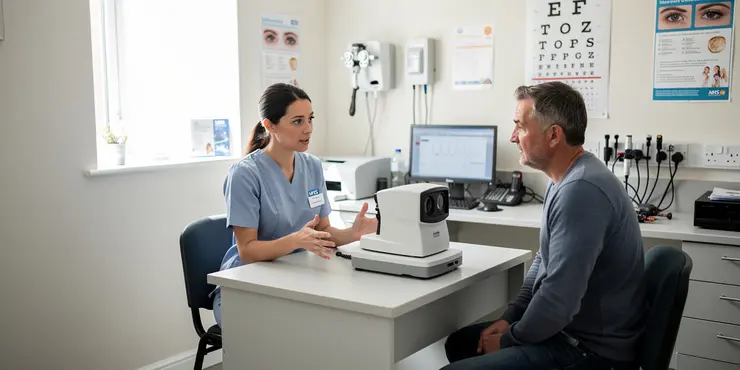
Currently, there aren't specific self-tests available in the UK that can measure eye pressure accurately at home without professional equipment. Eye pressure is typically assessed during an eye exam at an optometrist or ophthalmologist's clinic using specialized tools such as a tonometer. These devices can accurately measure the force required to flatten a part of the cornea, thereby determining the intraocular pressure.
Emerging Technology for Home Use
Recent advancements have led to the development of devices intended for home monitoring of eye pressure, though they are not yet widely available or commonly used in the UK. These devices often utilize technologies such as rebound tonometry, which gently touches the cornea to measure pressure. Such devices could be beneficial for patients requiring regular monitoring, such as those with glaucoma.
Limitations and Considerations
While the idea of self-measuring eye pressure at home might be appealing, there are several considerations to keep in mind. First, accuracy can vary, and self-administered tests may not be as reliable as those conducted by healthcare professionals. Moreover, incorrect use of the device could potentially lead to errors in measurement. Individuals should also be aware that managing eye health involves more than just monitoring pressure; comprehensive eye exams are crucial for assessing overall eye health and early detection of any issues.
The Role of Healthcare Professionals
Seeing an eye care specialist is essential for accurate diagnosis and management of eye conditions. Optometrists and ophthalmologists are trained to not only measure eye pressure but also to evaluate the overall health of the eyes and provide timely interventions. Regular eye exams are recommended, especially for individuals over the age of 40 or those with a family history of glaucoma.
Conclusion
While self-tests for eye pressure at home are not currently available in the UK, they may become more accessible as technology advances. However, these should not replace regular eye exams conducted by professionals. Maintaining good eye health requires a comprehensive approach, including professional assessments, to prevent and manage conditions like glaucoma effectively.
Understanding Eye Pressure
Eye pressure is how hard the fluid inside your eye pushes on the eye's walls. It is very important for keeping your eyes healthy. If eye pressure gets too high, it can lead to a sickness called glaucoma, which can cause you to lose your sight. Doctors measure eye pressure in units called millimeters of mercury (mmHg). Normal eye pressure is between 10 and 21 mmHg. It is important to get your eye pressure checked regularly, especially if you might be at risk of eye problems.
Can You Test Eye Pressure at Home?
Right now, there are no easy tests to check eye pressure at home in the UK without special machines. Usually, doctors check your eye pressure when you visit an eye doctor, called an optometrist or ophthalmologist. They use a machine called a tonometer to measure how much pressure is in your eye.
New Tools for Home Use
Some new machines are being made to let people check their eye pressure at home. These are not used much in the UK yet. These machines might use a gentle touch on the eye to check the pressure. These tools could help people who need to check their eye pressure often, like those with glaucoma.
Things to Think About
While testing your eye pressure at home sounds useful, you should know a few things. First, it might not be as accurate as a doctor doing it. Mistakes in use could give wrong numbers. Remember, keeping your eyes healthy means more than just checking pressure. You still need regular eye check-ups to find any problems early.
The Importance of Eye Doctors
It is important to visit eye doctors to keep your eyes healthy. They have special training to check eye pressure and look for other problems. People over 40 or with family members with glaucoma should get their eyes checked often.
Conclusion
Home tests for eye pressure are not available in the UK right now, but they might come soon. Still, they won’t replace going to the eye doctor. Keeping eyes healthy means getting checked by professionals who know what to look for, to stop problems like glaucoma.
Frequently Asked Questions
Eye pressure, also known as intraocular pressure (IOP), is the fluid pressure inside the eye.
Monitoring eye pressure is important because elevated IOP can be a risk factor for glaucoma, which can lead to vision loss.
There are limited options for testing eye pressure at home, and it's best to see an eye care professional for accurate measurements.
Some companies have developed home tonometry devices, but they are not widely available and typically require a prescription.
Eye pressure is usually tested by an eye care professional using a device called a tonometer during a comprehensive eye exam.
Abnormal eye pressure might not have noticeable symptoms, which is why regular check-ups are important. However, eye pain, headache, blurred vision, or seeing halos around lights could be signs.
A normal range for eye pressure is typically between 10 and 21 mmHg.
High eye pressure is a significant risk factor for glaucoma, but not everyone with high IOP will develop the condition.
Factors such as regular exercise, a healthy diet, and not smoking may help manage eye pressure, though it's important to follow medical advice.
Not monitoring eye pressure may lead to undetected glaucoma or optic nerve damage, which can result in irreversible vision loss.
Testing eye pressure is typically painless. It may involve a puff of air or a gentle touch with a device called a tonometer.
It's generally recommended to have eye exams every 1-2 years, but your doctor may suggest more frequent checks if you're at risk of glaucoma.
Chronic stress is not directly linked to increased eye pressure, but managing stress is part of overall eye health.
Certain eye conditions, injuries, and medications can cause elevated eye pressure. It's important to discuss your medical history with your eye doctor.
If you suspect you have high eye pressure, schedule an eye exam with an eye care professional as soon as possible.
Yes, certain prescription eye drops can help reduce eye pressure by decreasing the production of fluid or increasing its drainage.
No, eye pressure refers to the pressure inside the eye, while blood pressure refers to the force of blood against the walls of the arteries.
It's recommended to remove contact lenses before measuring eye pressure to ensure accurate readings.
Dehydration can affect overall body function, but its direct effect on eye pressure is unclear. Staying hydrated is beneficial for eye health.
Consulting with an eye care professional is the best way to learn more about eye pressure testing and scheduling regular eye exams.
Eye pressure is how much fluid is pushing inside your eye. It is also called intraocular pressure, or IOP.
Checking eye pressure is important. High eye pressure can cause a problem called glaucoma. Glaucoma can make you lose your vision.
It is hard to check eye pressure at home. It's better to visit an eye doctor to get the right results.
Some companies make special tools to check eye pressure at home. But you can't find them everywhere. Most of the time, a doctor needs to give you a paper to buy one.
An eye doctor checks eye pressure with a special tool called a tonometer. This happens during a full eye check-up.
If there are problems with eye pressure, you might not know because you can't see or feel anything is different. This is why going to the eye doctor regularly is important. But if you do have eye pain, a headache, blurry vision, or see bright rings around lights, you should tell someone.
You can also use things like magnifying glasses or reading apps to help you see better.
The normal range for eye pressure is usually between 10 and 21. This is called mmHg.
Having high pressure in your eyes can increase the chance of getting an eye disease called glaucoma. But not everyone with high eye pressure will get glaucoma.
Doing things like exercising often, eating healthy food, and not smoking can help keep eye pressure normal. But, it is very important to listen to what the doctor says.
If you do not check eye pressure, you might not notice problems like glaucoma. This can hurt the nerve in the eye and make you lose your sight forever.
Testing eye pressure does not usually hurt. It might use a little puff of air or a soft touch with a tool called a tonometer.
It is good to get your eyes checked every 1 to 2 years. But if your doctor thinks you might have a problem called glaucoma, you may need to get your eyes checked more often.
Stress that happens all the time is not proven to make eye pressure higher. But, taking care of stress is important for keeping your eyes healthy.
Some problems with your eyes, getting hurt, or taking certain medicines can make your eye pressure go up. It's important to talk to your eye doctor about your health background.
If you think your eye pressure is high, go see an eye doctor quickly for an eye check-up.
Yes, some special eye drops from the doctor can help lower eye pressure. These drops can help by making less fluid or helping the fluid drain away better.
No, eye pressure and blood pressure are not the same. Eye pressure is the pressure inside your eye. Blood pressure is the force of blood pushing against your arteries.
Take out your contact lenses before checking your eye pressure. This helps to get the right reading.
When you do not drink enough water, your body might not work well. We are not sure if it changes the pressure in your eyes. But drinking water is good for your eyes.
Talk to an eye doctor to learn about testing your eye pressure. It is important to have eye check-ups regularly.

Ergsy Search Results
This website offers general information and is not a substitute for professional advice.
Always seek guidance from qualified professionals.
If you have any medical concerns or need urgent help, contact a healthcare professional or emergency services immediately.
Some of this content was generated with AI assistance. We've done our best to keep it accurate, helpful, and human-friendly.
- Ergsy carefully checks the information in the videos we provide here.
- Videos shown by Youtube after a video has completed, have NOT been reviewed by ERGSY.
- To view, click the arrow in centre of video.
- Most of the videos you find here will have subtitles and/or closed captions available.
- You may need to turn these on, and choose your preferred language.
- Go to the video you'd like to watch.
- If closed captions (CC) are available, settings will be visible on the bottom right of the video player.
- To turn on Captions, click settings.
- To turn off Captions, click settings again.