
Get Answers
Understanding Safe Sleep Practices
Ensuring your baby sleeps safely is a paramount concern for parents. Implementing specific precautions can significantly decrease the risk of Sudden Infant Death Syndrome (SIDS) and other sleep-related hazards. These guidelines are designed to provide peace of mind while ensuring your baby's wellbeing.
Choose a Safe Sleeping Environment
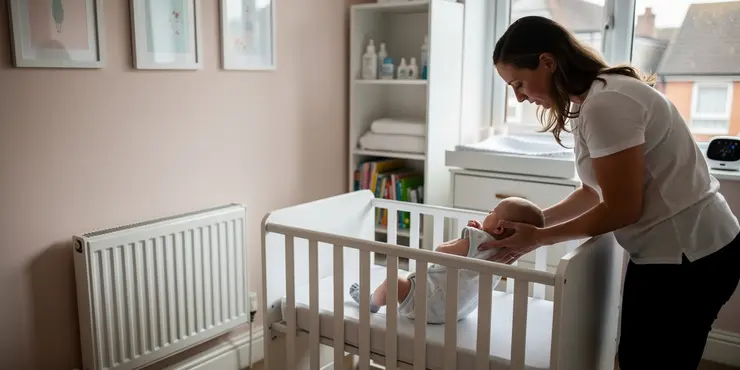
Ensure your baby sleeps in a cot or a Moses basket that meets British safety standards. The mattress should be firm, flat, and fit snugly within the sleep space. It’s important to keep the cot free from pillows, bumpers, and stuffed toys to prevent suffocation or entrapment risks.
Positioning Your Baby Safely
Always place your baby on their back to sleep, for both nighttime and naps, as this is the safest position. Research has shown that placing a baby on their back greatly reduces the risk of SIDS. Once your baby can roll over independently, continue placing them on their back, but allow them to find their own sleep position.
Maintain an Optimal Room Temperature
The room where your baby sleeps should be kept at a comfortable temperature, ideally between 16 to 20 degrees Celsius. Overheating is known to increase the risk of SIDS, which is why ensuring proper ventilation without drafts is crucial. Using a room thermometer can help monitor the environment efficiently.
Appropriate Bedding Choices
Use a firm, well-fitting mattress and avoid using quilts or duvets for babies under 12 months old. Opt for lightweight blankets or a fitted sleeping bag appropriate for the season. Make sure the baby’s head stays uncovered during sleep by placing them "feet to foot" at the bottom of the cot.
Additional Safety Considerations
Parents should avoid sleeping on sofas or armchairs with their babies, as these environments are hazardous for infants. Additionally, the safest place for a baby to sleep is in their own cot or Moses basket in the parents' room for the first six months.
Breastfeeding and Dummies
Breastfeeding has been associated with a reduced risk of SIDS and should be encouraged where possible. If you choose to use a dummy, wait until breastfeeding is well established (typically after the first month). Offering a dummy at sleep times is another practice linked to a lower incidence of SIDS.
Smoke-Free Zone
Maintaining a smoke-free environment is crucial. The dangers of second-hand smoke are well-documented, and it is a significant risk factor for SIDS. Ensure no one smokes in the home or around your baby.
Understanding Safe Sleep Practices
It is very important for parents to make sure their baby sleeps safely. Follow these steps to help keep your baby safe from Sudden Infant Death Syndrome (also known as SIDS) and other dangers. These tips will help you feel calm and keep your baby safe.
Choose a Safe Sleeping Environment
Your baby should sleep in a cot or a Moses basket that is safe to use. The mattress needs to be firm, flat, and fit tightly in the cot. Do not use pillows, bumpers, or stuffed toys in the cot. They can be dangerous because a baby could get stuck or not be able to breathe.
Positioning Your Baby Safely
Put your baby on their back to sleep every time. This is the safest way for them to sleep. Research shows putting babies on their backs helps prevent SIDS. If your baby can roll by themselves, keep putting them on their back, but they can move to a position they like.
Maintain an Optimal Room Temperature
The room where your baby sleeps should be comfortable, around 16 to 20 degrees Celsius. Keeping the room too hot can be dangerous. A room thermometer can help you check the temperature.
Appropriate Bedding Choices
Use a firm mattress that fits well. Do not use quilts or duvets for babies under 12 months. Use light blankets or a sleeping bag that is right for the weather. Keep the baby’s head uncovered while they sleep by putting them "feet to foot" at the end of the cot.
Additional Safety Considerations
Do not sleep on sofas or armchairs with your baby. It is safer for your baby to sleep in their own cot or basket in your room until they are six months old.
Breastfeeding and Dummies
Breastfeeding can help make SIDS less likely. If you want to use a dummy, start after breastfeeding is going well (about after the first month). Giving a dummy at sleep times can also lower the chance of SIDS.
Smoke-Free Zone
It is very important that no one smokes where your baby lives. Smoke is very dangerous for your baby and can make SIDS more likely. Make sure nobody smokes in your home or near your baby.
Frequently Asked Questions
The safest position for a baby to sleep in is on their back.
A crib that meets current safety standards with a firm mattress and snug-fitting sheet is safest.
A firm mattress is recommended to ensure safety and reduce the risk of SIDS.
It is safest to keep the crib free of toys, pillows, and stuffed animals.
Instead of blankets, use a sleep sack or wearable blanket to keep your baby warm without the risk of suffocation.
Babies should not sleep unattended in car seats or swings; they should be transferred to a firm sleep surface.
The ideal room temperature for a sleeping baby is between 68°F and 72°F (20°C to 22°C).
It is safest for babies to sleep in a separate crib or bassinet in the same room as their parents, rather than bed-sharing.
Using a baby monitor can help, but room-sharing without bed-sharing is recommended for close monitoring.
Check on your baby regularly, but ensure that their sleep isn't frequently disturbed.
Crib bumpers are not recommended due to the risk of suffocation or entrapment.
Sleep positioners are not recommended due to potential suffocation hazards.
Dress your baby in snug-fitting, flame-resistant pajamas appropriate for the room temperature.
Place your baby on their back to sleep; once they can roll over, continue to place them on their back, but let them find their own position.
Continue placing your baby on their back to sleep; healthy babies will naturally swallow or cough up fluids.
Using a reliable baby monitor app can offer reassurance, but it should not replace parental supervision.
Ensure they have a firm mattress and dress them comfortably. Discuss any concerns with your pediatrician.
Using a pacifier during sleep is safe and may actually reduce the risk of SIDS when used properly.
Siblings should not share a bed with an infant; the baby should have their own safe sleep space.
Share guidelines from reputable sources like the American Academy of Pediatrics, and ensure all caregivers understand safe sleep practices.
The best way for a baby to sleep safely is on their back.
A safe baby bed has some important parts. It should have a firm mattress. The sheet should fit tightly. This helps keep your baby safe.
A firm mattress is safer for babies. It helps keep them safe while sleeping. This can lower the risk of SIDS, which is sudden infant death syndrome.
To make sure your baby is safe, you can:
- Use a firm mattress. It should not be soft.
- Make sure there are no gaps between the mattress and the bed.
- Do not put toys or soft things in the bed with your baby.
If you need help, you can ask a doctor or nurse.
It is safest to keep the baby’s bed empty. Do not put toys, pillows, or stuffed animals in the baby’s bed.
To understand better, you can use pictures or ask someone to explain it to you. You can also use apps or websites to help you read.
To keep your baby warm, use a sleep sack or a wearable blanket. These are safer than regular blankets and help your baby breathe easily.
Don't let babies sleep alone in car seats or swings. Move them to a firm bed when they need to sleep.
The best temperature for a baby's room when they are sleeping is between 68°F and 72°F (20°C to 22°C).
Babies should sleep in their own crib or bassinet. It is best if the crib or bassinet is in the same room as their parents.
Using a baby monitor can help. It's a good idea to keep your baby in the same room with you, but not in the same bed. This way, you can keep an eye on them better.
Look at your baby often to make sure they are okay, but try not to wake them up too much while they sleep.
It is not safe to use crib bumpers. They can cause a baby to stop breathing or get stuck.
We should not use sleep positioners because they can cause problems with breathing.
Put your baby in pajamas that fit well. Make sure the pajamas do not catch fire easily. Pick pajamas that are right for the temperature in the room.
Put your baby on their back to sleep. When they can roll over, it's okay to still put them on their back. Let them move and find a comfy spot.
Put your baby on their back when they sleep. Healthy babies will swallow or cough up liquids on their own.
A good baby monitor app can help parents feel safe, but it should not be used instead of watching your child.
Make sure they have a strong mattress and wear comfy clothes. Talk to your child’s doctor if you have any worries.
It's okay to use a pacifier when your baby sleeps. It might even help keep them safer from SIDS if you use it the right way.
Brothers and sisters should not sleep in the same bed with a baby. The baby needs their own safe place to sleep.
Share advice from trustful places like the American Academy of Pediatrics. Make sure everyone taking care of the baby knows how to keep the baby safe while sleeping.

Ergsy Search Results
This website offers general information and is not a substitute for professional advice.
Always seek guidance from qualified professionals.
If you have any medical concerns or need urgent help, contact a healthcare professional or emergency services immediately.
Some of this content was generated with AI assistance. We've done our best to keep it accurate, helpful, and human-friendly.
- Ergsy carefully checks the information in the videos we provide here.
- Videos shown by Youtube after a video has completed, have NOT been reviewed by ERGSY.
- To view, click the arrow in centre of video.
- Most of the videos you find here will have subtitles and/or closed captions available.
- You may need to turn these on, and choose your preferred language.
- Go to the video you'd like to watch.
- If closed captions (CC) are available, settings will be visible on the bottom right of the video player.
- To turn on Captions, click settings.
- To turn off Captions, click settings again.