
Get Answers
Introduction to Homemade Baby Food Storage
Many parents choose to make homemade baby food, valuing control over ingredients and the freshness it offers. However, ensuring that this food is stored correctly is crucial to maintain health and safety for your baby. A common question among parents in the UK is how long homemade baby food can be stored safely in the fridge.
General Guidelines for Storing Homemade Baby Food
Homemade baby food can generally be stored in the refrigerator for about 48 hours, and some experts suggest up to 72 hours. This timeframe is crucial in preventing bacteria growth and maintaining the nutritional quality of the food. The Food Standards Agency (FSA) in the UK recommends that food kept over time should be monitored for any changes in smell, texture, or colour that could indicate spoilage.
Importance of Proper Storage Techniques
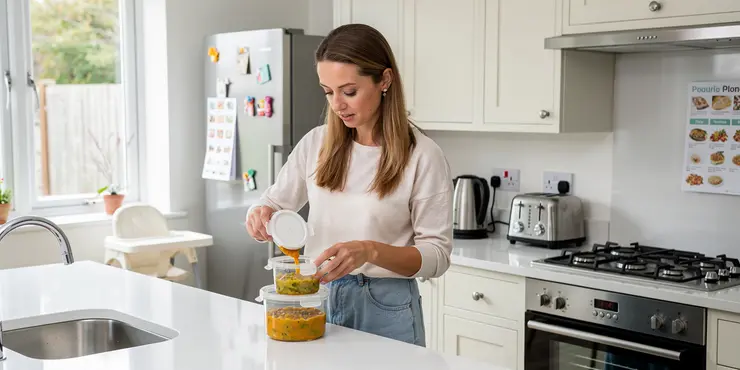
When storing homemade baby food, it's essential to use airtight containers to prevent contamination and preserve freshness. Glass or BPA-free plastic containers with secure lids are ideal. It's advisable to cool the food quickly by placing it in the fridge immediately after making it rather than allowing it to sit at room temperature.
Using the 'First In, First Out' Method
A helpful tip to remember is the 'first in, first out' practice, used in many kitchens to ensure food safety. Label your containers with the date they were made so you can use the oldest food first, reducing the risk of keeping food past its safe storage period.
Recognising Signs of Spoilage in Baby Food
Knowing the signs of food spoilage is critical when dealing with food for babies. If you notice any unpleasant odours, changes in colour, or any signs of mould, it's best to dispose of the food immediately. Even if you are within the recommended storage timeframe, it's safer to err on the side of caution if you suspect any issue.
Freezing as an Alternative Storage Method
For longer storage, you might consider freezing homemade baby food. When stored correctly, frozen baby food can last up to 3 months. Use ice cube trays for portioning, which allows you to defrost only what you need each time. Always ensure food is fully thawed and reheated evenly before serving to your baby.
Conclusion
Keeping homemade baby food stored correctly is vital in ensuring the health and safety of your child. By adhering to these storage guidelines, including proper storage containers, understanding the signs of spoilage, and considering freezing options, you can provide fresh, nutritious, and safe meals for your little one. Always consult with healthcare professionals if you have any concerns about feeding practices.
Introduction to Homemade Baby Food Storage
Lots of parents like to make baby food at home. This way, they know exactly what is in it, and it stays fresh. To keep it safe and healthy for your baby, you must store it properly. Many parents in the UK ask how long they can keep homemade baby food in the fridge.
General Rules for Storing Homemade Baby Food
You can keep homemade baby food in the fridge for about 2 to 3 days. This helps stop germs from growing and keeps the food good for your baby. Check that the food looks and smells okay before you give it to your baby.
How to Store Baby Food the Right Way
Use containers that close tightly, such as glass or safe plastic ones. This keeps the food fresh and clean. Put the baby food in the fridge right after you make it. Do not leave it out of the fridge for long.
Using Oldest Food First
It helps to use the 'first in, first out' method. This means you use the oldest food first. Write the date you made the food on the container. This way, you will know which food to use first.
How to Tell if Baby Food Has Gone Bad
Check your baby’s food before using it. If it smells bad, looks different, or has mould, throw it away. Even if you think it is still okay, it is better to be safe and not use it.
Freezing Baby Food
If you want to keep the baby food for a longer time, you can freeze it. Frozen baby food can last up to 3 months. You can use ice cube trays to freeze small amounts. This way, you only defrost what you need. Make sure the food is totally thawed and warmed up before giving it to your baby.
Conclusion
Storing baby food the right way is very important for your baby’s health. Follow these guidelines to keep the food fresh and safe. Talk to a doctor if you have worries about feeding your baby.
Frequently Asked Questions
Homemade baby food can typically be stored in the refrigerator for up to 3 days.
You should store homemade baby food in the fridge for no more than 3 days to ensure freshness and safety.
Store homemade baby food in airtight containers and place them in the refrigerator for up to 3 days.
It is not recommended to store homemade baby food in the fridge for more than 3 days.
If homemade baby food is stored in the fridge for too long, it can spoil and potentially cause foodborne illness.
Yes, it's a good practice to label homemade baby food with the date it was prepared to keep track of how long it’s been stored.
Yes, transfer homemade baby food to clean, airtight containers for optimal storage in the fridge.
Some types of homemade baby food, like fruits, may last slightly longer, but generally it's best to follow the 3-day rule.
Factors include how the food was prepared, the type of ingredients, and how well it is sealed in the fridge.
It's better to store homemade baby food towards the back of the fridge where the temperature is more consistent.
Make sure to store it in an airtight container, refrigerate promptly, and use it within 3 days.
Yes, but only reheat the amount you plan to use and discard any leftovers to avoid bacterial growth.
Refrigeration can slow nutrient loss, but it's still best to use the food within 3 days for optimal nutrition.
Reheat by placing the food in a bowl over hot water or using a microwave, checking temperature before serving.
Yes, freezing is a great option if you're unable to use the homemade baby food within 3 days.
Signs include an off smell, change in color, or presence of mold. Discard if any of these are present.
Defrost in the fridge overnight or use a warm water bath; never leave it out at room temperature to thaw.
No, it’s not recommended to refreeze thawed homemade baby food as this can increase the risk of bacterial growth.
The refrigerator should be set at or below 40°F (4°C) to safely store homemade baby food.
It's better to rely on smell and visual signs rather than taste, as even a small amount could pose a risk if the food is spoiled.
You can keep homemade baby food in the fridge for 3 days.
You can keep homemade baby food in the fridge for up to 3 days. This keeps it fresh and safe to eat.
Put homemade baby food in containers that close tightly. Keep them in the fridge, and use them within 3 days.
Do not keep homemade baby food in the fridge for more than 3 days.
If you keep homemade baby food in the fridge for a long time, it can go bad and make your baby sick.
It's a good idea to put a date on homemade baby food. This helps you know how long it's been kept.
Yes, put your homemade baby food in clean containers that close tightly. This will keep it fresh in the fridge.
Some homemade baby foods, like fruits, might last a little longer. But it's a good idea to use them in 3 days.
Things that matter are how the food was made, what is in the food, and how well it is closed in the fridge.
It's best to keep homemade baby food at the back of the fridge because the temperature stays the same there.
Keep it in a container that closes tight. Put it in the fridge quickly. Use it in 3 days.
Yes, heat up only what you will eat. Throw away any food that is left. This stops bad germs from growing.
Putting food in the fridge can help keep it healthy, but try to eat it in 3 days to get the most vitamins.
To warm up your food, put it in a bowl. You can put the bowl over some hot water. Or, you can use a microwave. Make sure the food is warm enough before you eat it.
Yes, you can freeze the homemade baby food if you can't use it in 3 days.
Look for signs like a bad smell, a different color, or mold. Throw it away if you see any of these.
To defrost something, you can do it two ways. First way: put it in the fridge to defrost overnight. Second way: use warm water to help it thaw. Do not leave it out on the counter at room temperature.
No, it's not a good idea to freeze homemade baby food again after it's been thawed. This can make bacteria grow, which is not safe.
Keep the fridge cold so your baby food stays safe. It should be 40°F (4°C) or colder.
Use your nose and eyes to check food instead of tasting it. Smelling and looking at food can help you know if it's bad. Tasting even a little bit can be risky if the food is spoiled.

Ergsy Search Results
This website offers general information and is not a substitute for professional advice.
Always seek guidance from qualified professionals.
If you have any medical concerns or need urgent help, contact a healthcare professional or emergency services immediately.
Some of this content was generated with AI assistance. We've done our best to keep it accurate, helpful, and human-friendly.
- Ergsy carefully checks the information in the videos we provide here.
- Videos shown by Youtube after a video has completed, have NOT been reviewed by ERGSY.
- To view, click the arrow in centre of video.
- Most of the videos you find here will have subtitles and/or closed captions available.
- You may need to turn these on, and choose your preferred language.
- Go to the video you'd like to watch.
- If closed captions (CC) are available, settings will be visible on the bottom right of the video player.
- To turn on Captions, click settings.
- To turn off Captions, click settings again.