
Get Answers
Official Government Resources
The UK government provides updates on product safety through the Food Standards Agency (FSA). This agency ensures food safety regulations are followed.
The FSA website is a reliable source for official information on food safety alerts, including contaminated baby formula.
The website has a dedicated section for food alerts that include specific warnings on baby formula if issues arise.
Health Organisation Guidelines
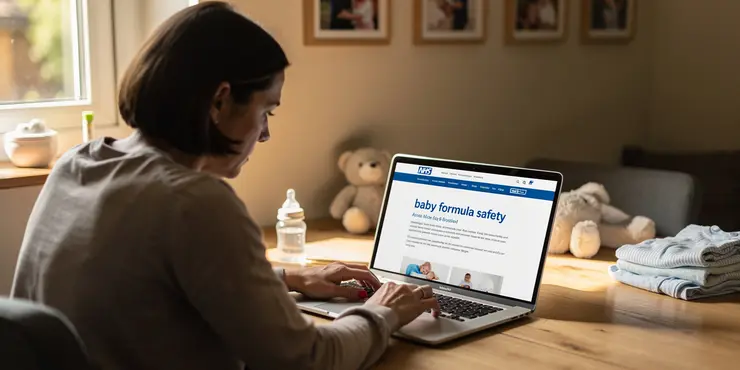
The National Health Service (NHS) offers advice about safe infant feeding practices. They often share updates on product safety concerning baby formula.
You can find information on what brands and types of formula are safe to use on the NHS website.
Contacting your health visitor or local GP can also provide you with up-to-date information and personal guidance.
Consumer News and Media
News websites like BBC News and The Guardian frequently report on any major recalls or contamination events related to baby products.
Such platforms are useful for timely updates in case a contamination incident becomes public knowledge.
Check reputable media outlets regularly to stay informed about current issues affecting baby formula safety.
Social Media and Parent Communities
Platforms like Facebook and Twitter can offer real-time updates and community discussions on baby formula recalls.
Official pages of government bodies or health organisations regularly tweet about current food safety issues.
Parenting forums and groups can be beneficial for peer advice and shared experiences regarding baby formula safety.
Retailer Notices and Websites
Major retailers like Tesco, Sainsbury’s, and Boots often post product recalls on their websites and in-store.
Retail chains usually work in coordination with manufacturers to communicate essential product information, including potential contamination issues.
Regularly checking these online platforms ensures you’re aware of any safety alerts or product recalls.
Official Help from the Government
The UK government helps keep food safe with the Food Standards Agency (FSA). This group makes sure food is safe to eat.
The FSA website has trusted information about food safety. It tells you if baby formula is not safe.
There is a special part of the website for food warnings, including baby formula warnings.
Guidelines from Health Groups
The National Health Service (NHS) gives tips on how to feed your baby safely. They update information on baby formula safety.
You can check which baby formulas are safe on the NHS website.
Also, talking to your health visitor or local doctor can give you helpful and current advice.
News and Media for Consumers
News websites like BBC News and The Guardian tell people if there are big problems with baby products.
These sites are good for finding out quickly if there is a problem with baby formula.
Visit trusted news sites often to learn about any baby formula safety issues.
Social Media and Parent Groups
Sites like Facebook and Twitter can give quick updates and let parents talk about baby formula recalls.
Official pages from the government and health groups post updates about food safety.
Parenting forums and groups are good for getting advice and learning from other parents about baby formula safety.
Stores and Their Websites
Big stores like Tesco, Sainsbury’s, and Boots share product recall information on their websites and in stores.
Stores work with makers to share important information, like if a product is not safe.
Check these websites often to know if there are any safety warnings or product recalls.
Frequently Asked Questions
You can check reputable news websites such as BBC, CNN, or Reuters for recent news articles on contaminated baby formula.
In the United States, the FDA (Food and Drug Administration) provides information on product recalls, including contaminated baby formula.
You can subscribe to FDA alerts or sign up for newsletters from baby product manufacturers for the latest recall notifications.
Official recall notices are published on the FDA's website under the recalls section or you can visit the CPSC (Consumer Product Safety Commission) website.
Websites like Mayo Clinic and WebMD provide health advice and updates regarding baby formula safety.
Yes, follow accounts of health authorities like the CDC and FDA on social media for updates about contaminated products.
Parents can check forums like Reddit, BabyCenter, or What to Expect for discussions on baby formula safety.
You can search Google Scholar or PubMed for scientific studies and research articles on baby formula contamination.
Check the lot number on the packaging against lists provided by the FDA or the manufacturer’s official website for any recalls or contamination notices.
Yes, you can contact your local health department or the FDA consumer hotline for inquiries concerning baby formula safety.
Common signs can include unusual smell, off-color, or clumps in the formula. If in doubt, consult your pediatrician or return the product.
Manufacturers typically communicate such notices through their websites, press releases, and direct communication with retailers.
The FDA's website maintains an up-to-date list of recalled products, including baby formula.
Yes, apps like Recalls.gov can provide alerts and updates about product recalls, including baby formula.
You can report it to the FDA through their MedWatch program or contact the manufacturer directly.
Seek immediate medical attention and contact your pediatrician if your baby shows any signs of illness after consuming formula.
Health risks can include gastrointestinal distress, infection, or in severe cases, more serious health complications.
Always purchase from reputable sources, check the expiration date, and inspect the packaging for any damage or tampering.
Causes can include improper manufacturing processes, contamination during transportation, or packaging defects.
For international information, check with organizations such as the World Health Organization (WHO) or other national health agencies.
You can look at trusted news websites like BBC, CNN, or Reuters to find new stories about bad baby formula.
In the United States, there is a group called the FDA. This stands for Food and Drug Administration. They tell us if there is a problem with something we buy. This includes baby formula that might be bad.
You can sign up for messages from the FDA or from companies that make baby products to hear about any problems with their items.
You can find recall notices on the FDA's website. Look in the recalls section. You can also visit the CPSC (Consumer Product Safety Commission) website.
Websites like Mayo Clinic and WebMD give helpful tips and news about baby formula safety.
Yes, follow health pages like the CDC and FDA on social media. They tell you when products are not safe.
Parents can look at websites like Reddit, BabyCenter, or What to Expect. People talk about if baby formula is safe there.
You can look for studies and research articles about baby formula safety on Google Scholar or PubMed.
Look at the number on the box. Then, check it on the FDA website or the company’s website. See if they say anything about taking back items or if there are any problems.
Yes, you can ask for help about baby formula safety.
You can call your local health department. You can also call the FDA consumer hotline.
Look for these signs: Does it smell funny? Is the color different? Are there any clumps? If you are not sure, ask your child's doctor or take the product back to the store.
Companies tell people about important news on their websites, in messages to the public, and by talking directly to stores.
The FDA's website has a list of products that are not safe, like baby formula. They keep it updated so you can check it often.
Yes, there are apps like Recalls.gov. These apps can tell you if something is wrong with products. They give updates if products like baby formula are recalled.
You can tell the FDA about it by using their MedWatch program. You can also talk to the company that made it.
If your baby seems sick after drinking formula, tell the doctor right away. Get help fast.
Health problems can happen. You might have a tummy ache, get sick, or in bad cases, have bigger health problems.
Buy from trusted places. Look at the date to see if it's still good. Check the box or package for any rips or signs that it's been messed with.
Some reasons for problems can be:
- Making mistakes when the product is being made.
- Getting dirty or spoiled while being moved.
- Problems with the packaging.
To make it easier to understand, you can:
- Use pictures to show what the problems look like.
- Ask someone to help explain the words you don't know.
- Break the information into smaller parts.
For information from around the world, ask groups like the World Health Organization (WHO) or your country's health group.

Ergsy Search Results
This website offers general information and is not a substitute for professional advice.
Always seek guidance from qualified professionals.
If you have any medical concerns or need urgent help, contact a healthcare professional or emergency services immediately.
Some of this content was generated with AI assistance. We've done our best to keep it accurate, helpful, and human-friendly.
- Ergsy carefully checks the information in the videos we provide here.
- Videos shown by Youtube after a video has completed, have NOT been reviewed by ERGSY.
- To view, click the arrow in centre of video.
- Most of the videos you find here will have subtitles and/or closed captions available.
- You may need to turn these on, and choose your preferred language.
- Go to the video you'd like to watch.
- If closed captions (CC) are available, settings will be visible on the bottom right of the video player.
- To turn on Captions, click settings.
- To turn off Captions, click settings again.