
Speak To An Expert
Get clear, personalised advice for your situation.
Jot down a few questions to make the most of your conversation.
Understanding Sunbeds
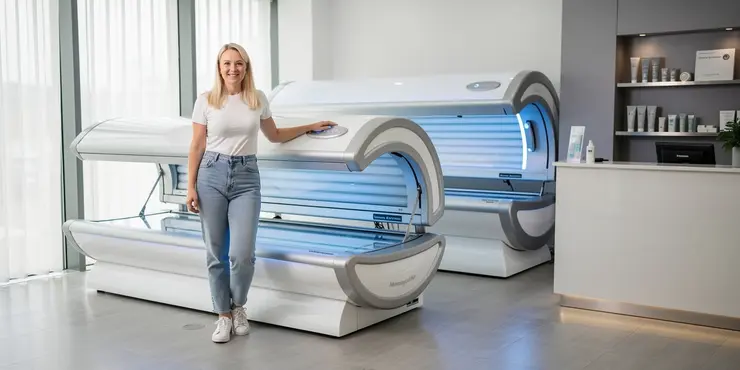
Sunbeds, also known as tanning beds, are devices that emit ultraviolet (UV) radiation. They are primarily used to mimic sunlight exposure to produce a cosmetic tan. In the UK, sunbeds are available at many tanning salons, gyms, and sometimes even personal use in homes.
While sunbeds are popular for their aesthetic benefits, they come with health warnings. Exposure to ultraviolet radiation can increase the risk of skin cancer. Despite these risks, some users question if sunbeds might offer any health benefits.
The Connection Between Sunbeds and Respiratory Health
There is limited evidence to support respiratory benefits from using sunbeds. Most discussions around UV exposure primarily focus on its impact on skin health rather than respiratory systems.
Theoretical questions arise about whether UV radiation might influence respiratory health indirectly. This is due to the role of UV exposure in vitamin D synthesis, which has broad health implications.
Vitamin D and Respiratory Health
UV radiation from sunbeds can increase vitamin D production in the skin. Vitamin D is crucial for many bodily functions, including immune regulation.
There is some evidence to suggest that adequate vitamin D levels may support overall respiratory health. However, sunbeds are not recommended as a primary vitamin D source due to their associated cancer risks.
Potential Risks of Using Sunbeds
The primary risk of using sunbeds is increased exposure to UV radiation. This exposure leads to a higher chance of developing skin cancer, especially melanoma.
Other risks include premature skin aging and possible eye damage if protective measures are not followed during use. It is essential to weigh these risks against any potential benefits, which remain largely unsubstantiated.
Alternative Methods to Support Respiratory Health
For those looking to improve their respiratory health, safer alternatives exist. Regular physical activity, maintaining good indoor air quality, and not smoking are effective strategies.
For increasing vitamin D levels, consider dietary sources like fatty fish or supplements upon a healthcare provider’s advice. Public health guidance generally discourages relying on sunbeds for any health benefits.
Frequently Asked Questions
Sunbeds are devices that emit ultraviolet (UV) radiation to simulate sunlight for the purpose of tanning the skin.
There is no scientific evidence to support the idea that using sunbeds can improve respiratory health.
Sunbeds emit UV radiation that can stimulate vitamin D production, but they also increase the risk of skin cancer.
There is no evidence that UV light from sunbeds can clear up respiratory infections.
Sunbeds are not prescribed or recommended for therapeutic use in respiratory conditions.
There is no proven connection between sunbed use and relief from asthma symptoms.
Sunbeds are not known to provide any relief from allergies affecting the respiratory system.
Medical professionals do not recommend sunbeds for treating respiratory issues.
Yes, risks include skin cancer, skin aging, and eye damage, with no respiratory benefits.
There is no evidence that using a sunbed improves lung function.
No, there is no credible research supporting the use of sunbeds for respiratory health.
Sunbeds are not a recognized treatment for Chronic Obstructive Pulmonary Disease (COPD).
While natural sunlight has some health benefits including vitamin D synthesis, excessive UV exposure from any source, including sunbeds, is harmful.
UV light has germicidal properties but using sunbeds as a method to impact respiratory viruses is not effective or recommended.
Sunbeds are used by some for SAD, but they are not proven to improve breathing or respiratory health.
No scientific studies have demonstrated improved breathing during exercise as a result of sunbed use.
Yes, safe sun exposure and vitamin D supplementation are better alternatives for obtaining necessary vitamin D levels.
While warmth might provide temporary comfort, it does not address underlying respiratory health issues.
Regular exercise, a healthy diet, not smoking, and avoiding pollutants are recommended for improving respiratory health.
Natural sunlight varies in intensity and spectrum, whereas sunbeds deliver concentrated, artificial UV radiation, increasing health risks without unique respiratory benefits.

Ergsy Search Results
This website offers general information and is not a substitute for professional advice.
Always seek guidance from qualified professionals.
If you have any medical concerns or need urgent help, contact a healthcare professional or emergency services immediately.
Some of this content was generated with AI assistance. We've done our best to keep it accurate, helpful, and human-friendly.
- Ergsy carefully checks the information in the videos we provide here.
- Videos shown by Youtube after a video has completed, have NOT been reviewed by ERGSY.
- To view, click the arrow in centre of video.
- Most of the videos you find here will have subtitles and/or closed captions available.
- You may need to turn these on, and choose your preferred language.
- Go to the video you'd like to watch.
- If closed captions (CC) are available, settings will be visible on the bottom right of the video player.
- To turn on Captions, click settings.
- To turn off Captions, click settings again.